
Vandaag of morgen in huis

Kwaliteit gegarandeerd

Welkomstaanbiedingen ontgrendelen: GRATIS bezorging | Tot 80% korting | Gratis 30 dagen JoyPlus-proefperiode
Download de app
Choosing a new induction hob can feel like navigating a maze of technical specifications and marketing promises. You want a modern, fast, and safe hob, but how do you avoid making a bad purchase? Many people make the same mistakes, ending up with an appliance that doesn't fit, is disappointing to use, or brings unexpected costs. As your Joybuy Product Recommendation Officer, I'm here to help you make the right choices based on facts, not hype.
Before you fill your shopping basket, let's first discuss the most common pitfalls that can cost you money and a lot of hassle.
To avoid a bad purchase, focus on the specifications that truly matter. These are the non-negotiables that determine whether a hob is right for your kitchen and cooking style.
This is the single most important technical detail. Most households have either a 1-phase or 3-phase connection.
The number and type of cooking zones determine how flexibly you can cook.
An induction hob with an integrated extractor is an elegant solution that makes a separate extractor hood unnecessary. Vapours are extracted directly at the pan. This is ideal for a kitchen island or a minimalist kitchen. However, keep in mind that these models often come with a higher price tag and require space under the countertop for the motor and filters.
Based on these criteria, we have selected a number of models that suit different user profiles.
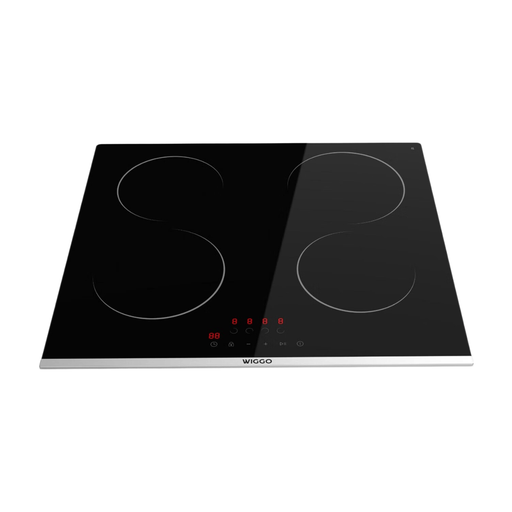
Why This Fits Their Persona: Ideal for those looking for a reliable and straightforward built-in induction hob without unnecessary extras. Perfect for first-timers or for a budget-friendly kitchen renovation where functionality is key.
This model is designed for a 1-phase connection, helping you avoid the pitfall of a costly fuse box upgrade. It focuses on the core function: cooking. No complex smart features that drive up the price.
Four full-sized cooking zones, each with 1.8 kW of power. Simple installation and a sleek, black glass design that fits into almost any kitchen.
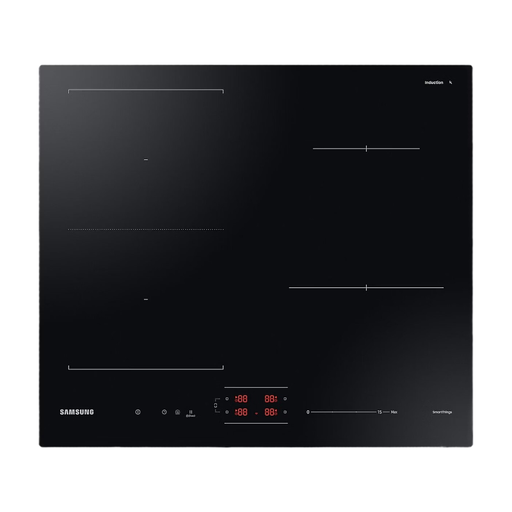
Why This Fits Their Persona: For families and cooking enthusiasts who need flexibility. The Flex Zone provides space for large pans, while the Wi-Fi connectivity via the SmartThings app is convenient for a busy household.
The 'smart' features here are not a gimmick. You can remotely set timers or check if the hob is still on. The Flex Zone solves the practical problem of pans that don't fit on a standard round zone.
Large, flexible cooking zone for diverse cookware. Convenient remote control and monitoring via the app. Features like a child lock and automatic pan detection increase safety.
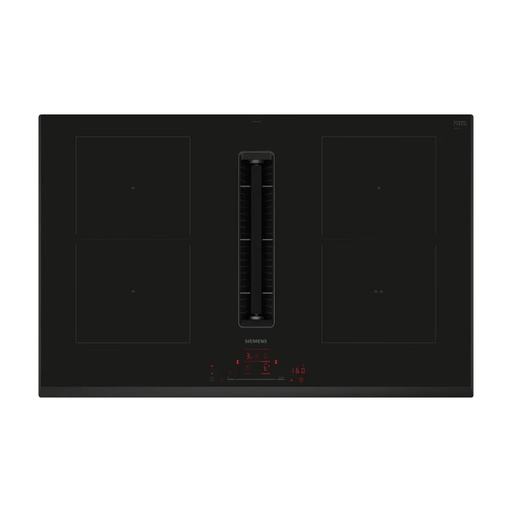
Why This Fits Their Persona: The ultimate choice for a sleek, modern, and open-plan kitchen. This induction hob with integrated extractor combines two appliances in one, creating a minimalist look without a bulky extractor hood.
Although it's a larger investment, you save on the cost and installation of a separate extractor hood. The powerful extraction right at the source is more effective than many traditional systems, giving cooking odours less chance to spread.
An 80 cm wide cooking surface with 4 zones and powerful, integrated extraction. Simple touch controls and a sleek, frameless design that fits seamlessly into your countertop.
We have compiled a complete, real-time list of products that fully satisfy these strict selection criteria and UK safety regulations.
For induction cooking, you need pans for induction with a magnetic base. You can easily test this: if a magnet sticks to the bottom of the pan, it's suitable. Pans made of cast iron, steel, or special stainless steel generally work well. Aluminium, copper, or glass pans will not work unless they have a special magnetic base layer. A great place to start is a complete set like the SENSARTE Cookware Set, which is compatible with all heat sources, including induction.
The easiest way is to check your fuse box. A standard fuse box for a 1-phase connection has 16A switches with two wires (phase and neutral). A 3-phase connection has a larger, wider main switch and groups with four wires. The product information for the hob will always state the required power rating (in Watts) and the number of phases needed. When in doubt, always consult a certified electrician.
The biggest advantage is aesthetic and practical. You no longer need a large extractor hood that obstructs the view in your kitchen. This is especially beneficial for a kitchen island. Additionally, the extraction is highly effective because cooking vapours are drawn away directly at the source before they can spread throughout the room. This results in cleaner air in the kitchen.
