
Vandaag of morgen in huis

Kwaliteit gegarandeerd

Welkomstaanbiedingen ontgrendelen: GRATIS bezorging | Tot 80% korting | Gratis 30 dagen JoyPlus-proefperiode
Download de app
Choosing a new induction cooktop can feel like navigating a maze of technical specifications and marketing promises. You want an efficient, safe, and durable solution for your kitchen, but often end up with more questions than answers. As a Joybuy Product Recommendation Officer, I'll help you cut through the noise and focus on what really matters. Let's look at the most common pitfalls so you can make an informed decision.
Before we dive into features, it's important to know the missteps that often lead to disappointment.
1-phase induction cooktop is an excellent option for many households, but it's crucial to check your electrical panel beforehand to avoid unexpected installation costs.induction cooktop with a flex zone sounds great, but is it worth the extra cost if you primarily cook with standard round pans? Conversely, a standard 4-zone induction cooktop with fixed circles can be limiting if you enjoy using a large roasting pan or griddle. Think about your cooking habits before you decide.Don't get distracted by jargon. These three points are the foundation for a good choice.
This is the most important technical specification. Your choice determines whether the cooktop can be installed in your kitchen at all.
Siemens induction cooktop or Bosch induction cooktop with a high total power rating, where you want to use multiple zones on a high setting at the same time. Always check your electrical panel and consult an electrician if in doubt.The fit is essential, especially during a kitchen renovation.
freestanding induction cooktop offers flexibility and is a great solution for smaller kitchens or as a temporary cooking setup.The layout of the cooking zones determines how you can use your pans.
cooking with induction.Below are a few models that suit different user profiles, selected based on their specifications.
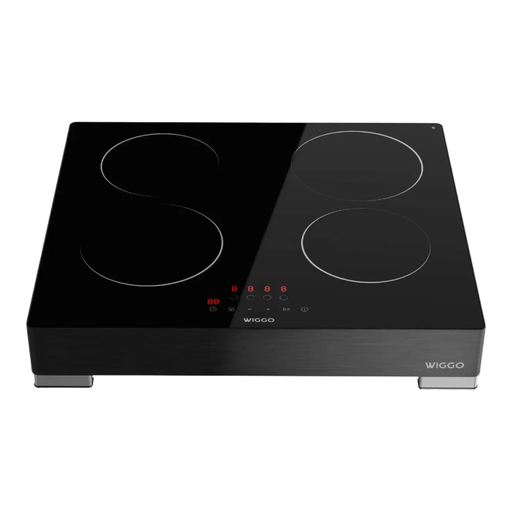
Why This Fits Their Persona: Ideal for those who want a straightforward and affordable switch to induction. This model offers the flexibility of a freestanding unit that can also be built-in, without the need for complex electrical modifications.
This model is a true 1-phase induction cooktop with an included EU plug. It bypasses the 'Plug & Play' myth by actually delivering on its promise: plug in and start cooking.
Four cooking zones with a boost function and touch controls. It offers all the basic functionalities of a modern induction cooktop without unnecessary frills.
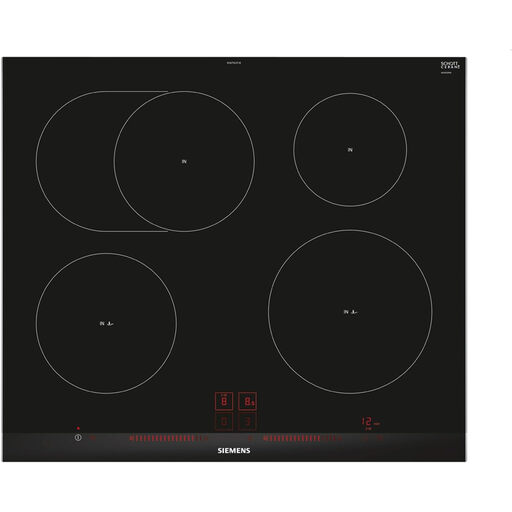
Why This Fits Their Persona: For families, safety and convenience are paramount. This model combines a child lock and automatic shut-off with features that speed up cooking, like the PowerBoost. The frameless design makes cleaning easy.
This cooktop offers a smart compromise. It's a built-in 4-zone induction cooktop, but with automatic detection for a roasting pan. This gives you extra flexibility without paying for a full flex zone you might not need.
The bratSensor Plus feature helps prevent food from burning by keeping the pan's temperature constant. The child lock is an essential safety feature for households with young children.
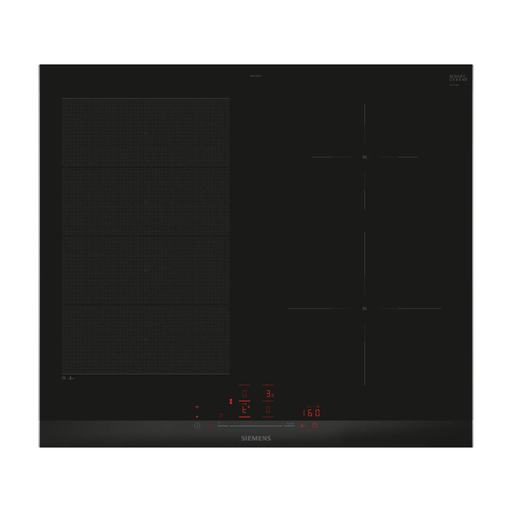
Why This Fits Their Persona: For the cooking enthusiast who demands precision and freedom. This cooktop offers advanced features that add real control, like the flexInduction zone for any pan size and the fryingSensor Pro for perfect searing results.
This model avoids the pitfall of inflexible zones. The flexInduction technology automatically adapts the cooking zone to the pan, so you're not limited to fixed circles. The Home Connect app provides useful functions here, like remotely adjusting the keep-warm setting.
The fryingSensor Pro regulates the temperature to prevent scorching. The touchSlider control makes setting the temperature intuitive and precise.
A great induction cooktop is the foundation, but the right cookware makes all the difference. To get the most out of your new cooktop, we've curated a selection of suitable kitchenware that meets the highest standards.
Do I need special pans for induction cooking? Yes, pans for induction must have a ferromagnetic base. The cooktop's magnetic field heats the pan directly. You can easily test this: if a magnet sticks to the bottom of the pan, it is suitable for induction. Pans made of glass, copper, or aluminum will not work unless they have a special induction-compatible base.
What is the difference in power consumption between an induction and a ceramic cooktop? An induction cooktop is generally more energy-efficient than a traditional electric cooktop like a ceramic model. With induction, about 85-90% of the energy is converted directly into heat in the pan. With a ceramic cooktop, a lot of heat is lost to the glass plate itself and the surroundings, resulting in lower efficiency (around 60-70%). This leads to faster cooking and lower energy consumption.
Is a 1-phase induction cooktop powerful enough? For most households, a 1-phase induction cooktop (up to 3,700 watts) is more than sufficient for daily use. These cooktops have a built-in power management system that intelligently distributes power across the active cooking zones. You can easily cook with multiple pans at once, although you can't set all zones to the maximum boost setting simultaneously. For those who often cook for large groups and need maximum power on all burners at the same time, a 2- or 3-phase model is a better consideration.
