
Vandaag of morgen in huis

Kwaliteit gegarandeerd

Welkomstaanbiedingen ontgrendelen: GRATIS bezorging | Tot 80% korting | Gratis 30 dagen JoyPlus-proefperiode
Download de app
Choosing a new cooktop can feel like navigating a maze of technical specifications and marketing promises. Especially now that many households are switching from gas to electric cooking, the induction cooktop is a popular choice. But how do you avoid a bad purchase? Many people fall into common traps, such as confusion about the power connection or overpaying for features that are disappointing in practice.
This guide helps you ask the right questions. We'll discuss the specifications that truly matter and show you how to choose a model that fits your kitchen, budget, and cooking style—without falling for the hype.
Before we look at the specifications, it's important to recognize a few common misconceptions.
To make a good choice, there are a few technical aspects you need to check. These determine whether a cooktop is even suitable for your kitchen.
This is the most critical technical requirement. Your choice is directly linked to the electrical panel in your home.
Not sure what you have? Consult an electrician before making a purchase.
Although they may look the same, the technology underneath is completely different.
A 60 cm induction cooktop is a standard size, but the cutout dimensions (the niche size) are crucial. Accurately measure the width and depth of the opening in your countertop. A few millimeters of difference can mean the cooktop won't fit, leading to expensive modifications to your countertop. Always check the niche dimensions in the product specifications.
Based on objective specifications, we have selected a number of models that suit different user profiles.
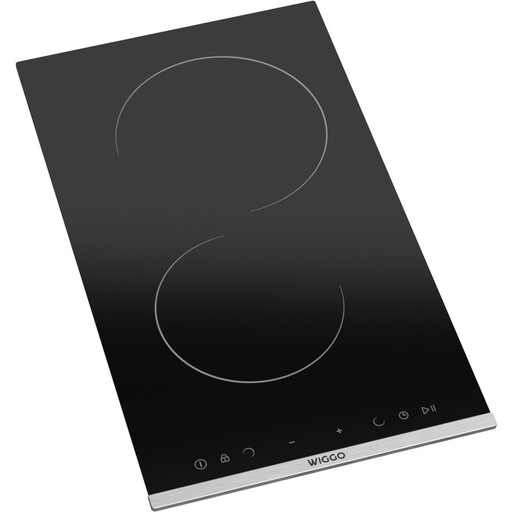
Why This Fits Their Persona: Perfect for one or two-person households, student housing, or as a supplementary cooktop in a larger kitchen. Its compact 30 cm size and single-phase connection make it a practical choice for situations where space and power connections are limited.
This model is a true single-phase induction cooktop, designed for a standard outlet. This bypasses the pitfall of unexpected installation costs that come with more powerful models.
Compact size (30 cm) and simple installation. Still offers modern features like touch controls, a timer, and a boost function for each zone.
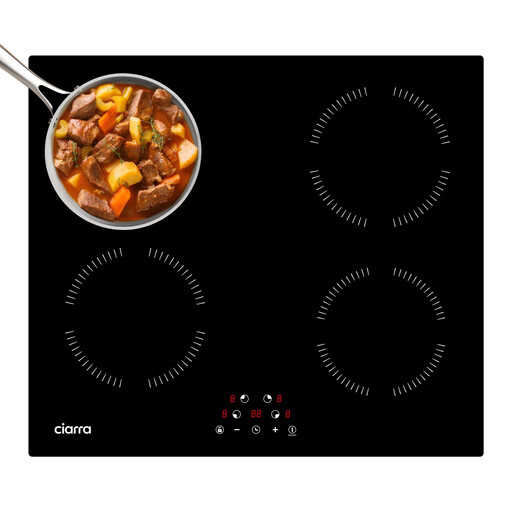
Why This Fits Their Persona: A family needs a reliable 4-burner cooktop for daily meals. This 60 cm model fits most standard kitchens and, with four independent zones, offers enough space to prepare multiple dishes at once. Safety features like a child lock are essential.
This model focuses on the basics: four powerful, separate cooking zones. It avoids the complexity and higher price of vague flex zones and simply delivers reliable performance for a family kitchen.
Standard 60 cm induction cooktop size for easy replacement. Features 9 power levels per zone, a timer, and important safety functions like a child lock and residual heat indicator.
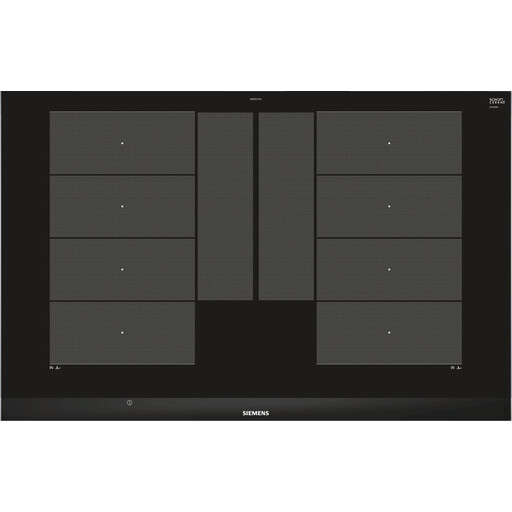
Why This Fits Their Persona: For those who take cooking seriously and are looking for precision, speed, and flexibility. This Siemens cooktop offers advanced features for complex dishes, the use of large pans, and precise temperature control.
Instead of a vague 'flex zone,' Siemens offers specific, functional technology. According to Siemens, the `fryingSensor Plus` ensures a constant temperature, and `PowerMove Plus` divides the cooktop into three heat zones for searing, cooking, and keeping warm.
Advanced sensor technology for precise temperature control. The flexible cooking zones adapt to the pan, offering true flexibility for diverse cookware.
We have compiled a complete, up-to-date list of products that meet these strict selection criteria and comply with Dutch safety regulations.
The difference lies in the maximum power the cooktop can draw and the required connection in your electrical panel. A 1-phase cooktop (up to 3.7 kW) can use a normal outlet but has limited power; you often can't use all zones at full power simultaneously. A 2- or 3-phase cooktop (up to 11.1 kW) needs a special Perilex connection and can deliver much more power, allowing all zones to operate powerfully at the same time.
Yes, you need pans with a base that is magnetizable. Pans made of cast iron or some types of stainless steel will work. Pans made of aluminum, copper, or glass will not. You can easily test this yourself: if a refrigerator magnet sticks to the bottom of the pan, it is suitable for induction.
Yes, generally it is. With induction, almost all energy is converted directly into heat in the pan itself, with very little heat loss to the surroundings. A ceramic cooktop first heats the glass surface, which then heats the pan. This process leads to more energy loss. As a result, cooking on induction is not only faster but also more efficient.
