
Vandaag of morgen in huis

Kwaliteit gegarandeerd

Welkomstaanbiedingen ontgrendelen: GRATIS bezorging | Tot 80% korting | Gratis 30 dagen JoyPlus-proefperiode
Download de app
Choosing a new cooktop is a major decision for your kitchen. As more households switch from gas to electric cooking, the induction cooktop has become a popular choice. But with so many options, features, and specifications, it can be challenging to determine which model is right for you.
This article serves as a practical guide. We'll explain the key considerations and highlight several popular models to help you make an informed decision that suits your cooking style and kitchen.
Before you make a choice, there are a few key points to consider. These will determine which built-in cooktop is most suitable for your situation.
The most common types of electric cooktop are induction and ceramic. The difference lies in the heating method:
A cooktop's power rating determines how fast you can cook and how many zones you can use simultaneously at full power. This is directly related to the electrical connection in your home's electrical panel.
4-zone cooktop without issues. This is a common connection in many modern kitchens.5-zone cooktop or a cooktop with a flex zone that needs to deliver high power across multiple areas.Always check which connection you have or can have installed by an electrician.
Standard cooktops have four or five defined cooking zones. For more freedom, you might consider a cooktop with a flex zone. This allows you to link two zones into one large cooking surface, ideal for a large roasting pan, a griddle, or multiple small pots at once.
To help you get started, we've highlighted a few models with different features for various types of users.
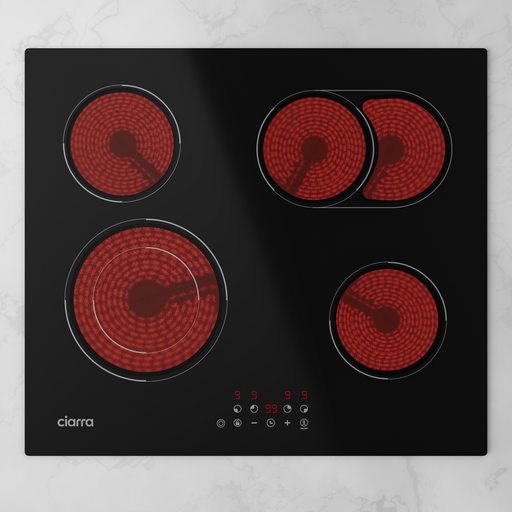
Why This Model Stands Out The Ciarra CRGBCH466T is a ceramic cooktop that stands out for its flexibility. It features one oval and one round dual-ring zone. This allows you to cook efficiently with both standard round pans and elongated cookware, like a fish pan. With a total power of 6600W and 9 power levels, this cooktop offers precise control.
Key Features
Who Is It For? For those looking for an affordable and versatile electric cooktop who value the flexibility to use different pan shapes. It's a great choice if you want to keep using your current cookware set and don't necessarily need the speed of induction.
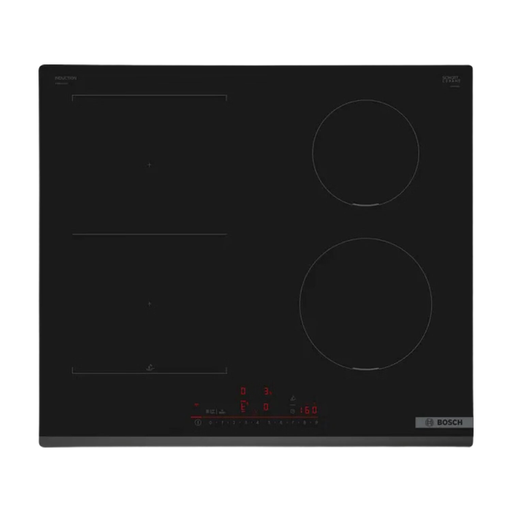
Why This Model Stands Out This Bosch cooktop combines ease of use with smart technology. The CombiZone feature allows two cooking zones to be linked into one large zone, perfect for a roasting pan. According to Bosch, the PerfectFry Plus technology ensures precise temperature control to prevent food from burning. The PowerBoost function can temporarily increase power for extra-fast heating.
Key Features
2-phase cooktop connection (6900W).Who Is It For? For the home chef seeking an efficient and reliable induction cooktop with modern features. The flexibility of the CombiZone and the convenient controls make this a solid choice for daily use and more elaborate meals.
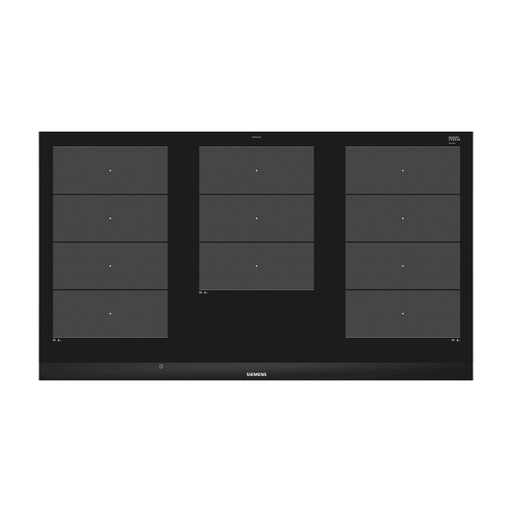
Why This Model Stands Out The Siemens cooktop EX975LXC1E is designed for the ambitious cook who wants maximum space and control. At 90 cm wide with five cooking zones, including advanced flexInduction, you can place pans virtually anywhere on the flexible zones. The powerMove Plus function divides a zone into three temperature areas (boiling, simmering, keeping warm) simply by moving the pan. The high connection load of 11.1 kW (3-phase) guarantees you can use all zones at full power simultaneously.
Key Features
5-zone cooktop for maximum cooking space.Who Is It For? For the serious home chef, large families, or anyone who wants a professional-grade cooking experience in their own kitchen. If you often work with many pans at once and seek advanced features and maximum flexibility, this is an excellent option.
The right cooktop heavily depends on your personal preferences, your kitchen, and your budget. If the models above aren't quite what you're looking for, there are many more possibilities.
Discover a wider selection and compare different brands and specifications in our category.
View our full range of flat cooktops
The primary difference is the technology. An induction cooktop heats the pan directly via a magnetic field, which is faster, more efficient, and safer. A ceramic cooktop heats the glass surface itself, which then heats the pan. This is slower, and the surface stays hot for longer.
Yes, for induction, you need cookware with a base that is magnetisable. You can easily test this: if a magnet sticks to the bottom of the pan, it is suitable for induction. Most modern cookware is compatible.
This depends on the total power rating of the cooktop. Simple models can sometimes run on a standard 1-phase outlet. Most cooktops with 4 or more zones require a 2-phase or 3-phase Perilex connection to draw enough power. Always consult an electrician to determine what is possible and necessary in your situation.
