
Vandaag of morgen in huis

Kwaliteit gegarandeerd

Welkomstaanbiedingen ontgrendelen: GRATIS bezorging | Tot 80% korting | Gratis 30 dagen JoyPlus-proefperiode
Download de app
Choosing a new induction cooktop seems simple—until you get tangled in marketing jargon and technical specifications. Many people overpay for features they don't use or, worse, buy a model that doesn't even fit their kitchen. As a Joybuy Product Recommendation Officer, I'm here to help you make the right choices based on facts, not hype. Let's look at the three most common pitfalls.
Many online stores advertise "easy installation." While this is often true for a single-burner induction hob, it's a different story for a 4-burner induction cooktop. A standard household outlet doesn't supply enough power for four burners running at full capacity simultaneously. You'll end up with a model that constantly has to split power, causing your pans to heat up more slowly. The alternative is a special 2- or 3-phase power connection (like a Perilex socket), which incurs additional installation costs.
An induction cooktop with a flex zone sounds perfect for large griddles or roasting pans. In reality, many of these flex zones are nothing more than two separate cooking zones that can be linked. The result? A cold strip in the middle and unevenly cooked food. A true flex zone has inductors across the entire surface for consistent heat distribution.
App connectivity, automatic hood synchronisation, and pre-programmed recipes. It all sounds futuristic, but ask yourself: will you actually use it? Often, these extras needlessly inflate the price, while the core functionality—efficient and precise cooking—is no better than that of a simpler model.
Focus on the specifications that truly matter. Here are the three most important points to check before you buy an induction cooktop.
This is the most critical technical specification.
Think about how you cook.
Here are a few models that suit different user profiles, selected based on their specifications and functionality.
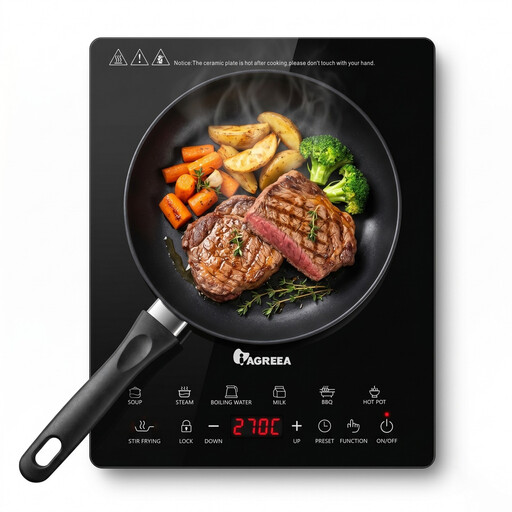
Why This Fits Their Persona: Ideal for students, small apartments, or as an extra burner for camping. This portable single-burner hob is lightweight, compact, and works with any standard outlet.
This model is explicitly a 1-phase "plug & play" solution. No false promises about connecting a full-sized cooktop to a regular outlet.
Ultra-thin and portable: Easy to store. Precise control: 8 power and temperature levels for various dishes.
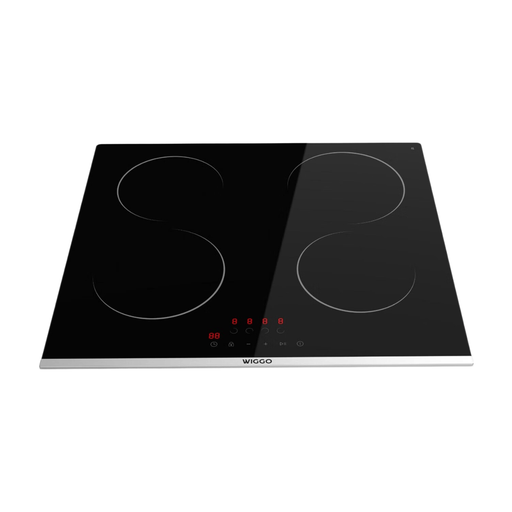
Why This Fits Their Persona: A solid 4-burner built-in cooktop for a standard kitchen renovation. This model is designed for a 1-phase connection, simplifying installation in many existing kitchens.
This cooktop tackles the "Plug & Play" myth head-on by clearly specifying it's suitable for a 1-phase connection. No surprises after purchase.
Simpler installation: Works on a 1-phase connection, often avoiding the need for breaker box modifications. Standard dimensions: Fits a standard 60 cm cutout.
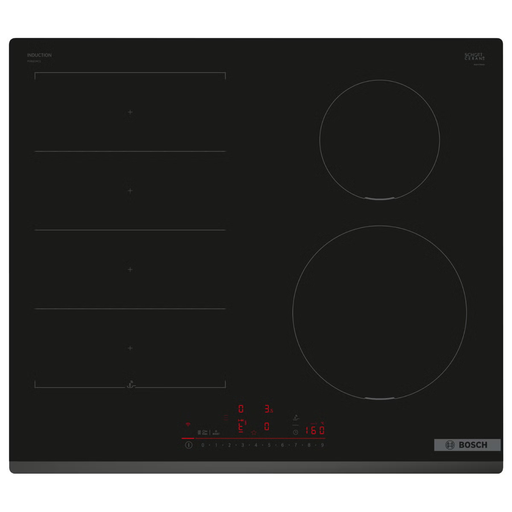
Why This Fits Their Persona: For those who want to do more than just boil water. This Bosch cooktop offers advanced features for cooking enthusiasts who work with large pans and demand precision.
The Bosch FlexInduction zone is engineered for even heating, avoiding the 'cold strip' pitfall. Its features are practical and focused on better cooking results.
FlexInduction: Combines zones for large pans. PerfectFry Plus: According to Bosch, the temperature sensor prevents food from burning.
We have compiled a complete, up-to-date list of products that fully meet these strict selection criteria and safety standards.
That depends on the total power rating of the cooktop.
Only pans with a magnetisable base are suitable for induction. You can test this easily: if a magnet sticks to the bottom of the pan, it's compatible. Pans made of cast iron, enamelled iron, and some types of stainless steel generally work well. Pans made of copper, aluminium, or glass will not work unless they have a special magnetic base.
Although they look similar, the technology is very different.
