
Vandaag of morgen in huis

Kwaliteit gegarandeerd

Welkomstaanbiedingen ontgrendelen: GRATIS bezorging | Tot 80% korting | Gratis 30 dagen JoyPlus-proefperiode
Download de app
Good lighting is about more than appearance. A light needs to suit the space, provide enough illumination and withstand the conditions in which it is used. A decorative light for the living room needs different features from an outdoor light with a motion sensor by the front door.
Many Dutch shoppers run into the same pitfalls. A low price may seem attractive, for example, but a missing light source, unclear IP rating or awkward-to-use dimming function can make a purchase less practical. With this guide, you can compare important specifications and discover which light is right for your needs.
A black light, pendant light or wall light may suit your interior perfectly, but always check whether the light source is included. The Philips Juli and Philips Fylx, for example, have replaceable fittings, but are supplied without an E27 or GU10 bulb respectively. This gives you flexibility, but also means you need to buy the light source separately.
With integrated LED lighting, the light source is usually part of the fitting. This makes installation straightforward, but check in advance whether the LED module can be replaced. On several models in this selection, the module cannot be replaced by the user.
An IP44 outdoor light is protected against solid objects and splashing water. This does not mean that the light does not need shelter, or that it can withstand being submerged or exposed to direct jets of water. IP44 may be suitable for a sheltered façade, balcony or patio. In a location exposed to heavy rain or wind, the mounting position is at least as important.
According to the product specification, the Philips Zyren has IP65, while several solar wall lights and garden lights have IP44. Install each model according to the mounting instructions and prevent water from collecting around the housing.
A solar wall light works without a mains connection, but it needs sufficient direct sunlight to charge its battery. In a shady garden, beneath a balcony or on a north-facing wall, the operating time may be shorter. Keep the solar panel clean and check the chosen location during the day.
According to Philips’ own information, the Zyren can provide up to four nights of light when fully charged. The actual duration depends on factors including the amount of sunlight, temperature and selected lighting mode. Solar lighting is therefore a convenient solution for many outdoor areas, but it does not guarantee the same brightness every evening.
Colour temperature is expressed in Kelvin (K):
Also check the number of lumens. Lumens indicate how much light a lamp produces. A decorative garden light with 170 lumens serves a different purpose from a security light with 1000 or 4000 lumens. More lumens are not automatically better: too much light can feel harsh or intrusive on a small patio.
A dimmable light is useful when one room serves several purposes. However, check how the dimming works. This may be controlled via built-in touch controls, a remote control, an app or an external dimmer.
The VIVREAL LED floor lamp comes with a remote control with a stated range of up to 10 metres and three colour temperatures: 3000K, 4000K and 6000K. The Brilliant Bow arc lamp uses a touch dimmer and offers adjustable light from 3000K to 6500K. With a pendant light featuring an E27 fitting, you need a suitable dimmable LED bulb and a compatible external dimmer.
Measure the available space before ordering. A floor lamp measuring 179 or 180 cm may work well beside a sofa, but it requires sufficient floor space and a stable surface. Also check:
Always switch off the power before carrying out fixed electrical installation work. If in doubt, have any wiring work completed by a qualified electrician.
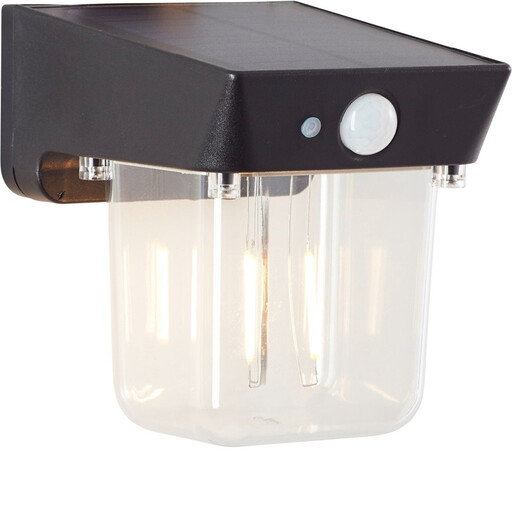
Why it suits this profile: This compact solar wall light is suitable for an entrance, balcony or small garden where no wiring is available.
The product specification states that it is solar-powered, has a motion sensor and an IP44 rating. However, bear in mind that it needs direct sunlight.
180 lumens, 2700K warm white lighting, integrated LED and installation without a mains connection.

Why it suits this profile: A suitable choice for a driveway, back garden or wide façade where a broader spread of light is desired.
The stated IP65 rating is higher than IP44. The light still relies on sunlight to charge its battery.
According to Philips, it provides 4000 lumens, a PIR detection range of up to 8 metres when approached directly and an adjustable lamp head.
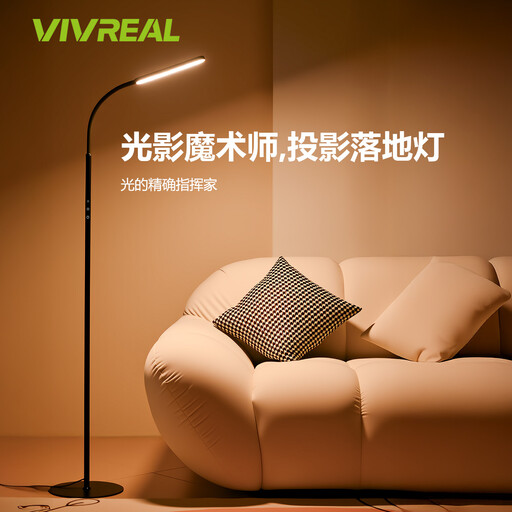
Why it suits this profile: This floor lamp is designed for living rooms, bedrooms, offices and reading corners where flexible indoor lighting is needed.
The specifications list 14W, 216 LEDs, CRI ≥80 and three colour temperatures. The remote control means you do not have to keep walking over to the lamp.
180 cm tall, black ABS and iron construction, remote control with a range of up to 10 metres, and a choice of 3000K, 4000K and 6000K.

Why it suits this profile: Suitable for anyone who wants to highlight garden paths, borders or plants with app control and colour settings.
The IP44 rating is clearly stated. Bear in mind that it needs a mains cable and Wi-Fi for its smart functions, creating a potential trip hazard.
Three-piece set, Tuya-compatible, dimmable, RGB and CCT from 3000K to 6500K, with an 8-metre cable.
We have put together a complete, up-to-date list of products that fully meet these strict selection criteria and the applicable European safety regulations.
For a cosy living room atmosphere, 2700K to 3000K is often chosen. If you want to read or work in the same room, more neutral light around 4000K may be more practical. A light with adjustable CCT makes it easier to switch between these uses.
Energy consumption depends on the wattage and the number of hours the light is used. A 14W lamp switched on for five hours a day uses less energy than a 24.5W model used for the same amount of time. Solar lighting does not use mains electricity while switched on, but its performance depends on sunlight and battery charge.
IP44 is designed to protect against splashing water and may be suitable for many sheltered outdoor locations, such as a façade, balcony or patio. Do not place the light underwater, in an area where water collects or directly beneath a powerful jet of water. Always check the installation instructions and how exposed the light is to rain.
