
Vandaag of morgen in huis

Kwaliteit gegarandeerd

Welkomstaanbiedingen ontgrendelen: GRATIS bezorging | Tot 80% korting | Gratis 30 dagen JoyPlus-proefperiode
Download de app
A lamp should do more than simply look good. In a Dutch living room, hallway, bedroom, workspace, balcony or garden, the lighting must also suit the space, installation method and conditions. If you focus only on appearance or discounts, you can quickly run into problems.
A lamp without a light source may seem like a bargain, but always check the fitting first. An E14 bulb, E27 bulb, GU10 bulb or G9 bulb cannot be swapped between fittings. Also check the maximum wattage. A fitting with an E14 socket and a maximum rating of 25 watts requires a suitable light source with that specification.
An indoor lamp should not be installed on an unprotected façade or in a damp environment. Check the IP rating. IP44 lighting is protected against splashing water and solid objects measuring 1 millimetre or more, but it is not completely waterproof. Install this type of lamp according to the product instructions and avoid direct jets of water.
Terms such as ‘extra bright’, ‘lasts for years’ or ‘energy efficient’ mean little without measurable information. It is better to compare wattage, lumens, colour temperature, fitting, IP classification and whether the lamp has a dimmer or motion sensor. According to Philips’ own information, the integrated LED light source in the Capricorn can last for up to 50,000 hours; this is a brand claim and not a guarantee for every usage situation.
An LED bulb generally uses little power for a given light output. So do not just look at watts; check the lumens too. An integrated LED module is practical, but often cannot be replaced by the user. With a fitting that uses a replaceable E14, E27 or GU10 bulb, you can change the light source later or adjust the colour temperature.
For general lighting in a living room or bedroom, warm white light of around 2700 to 3000 kelvin is common. Neutral or cool white light may be more suitable for a desk, workspace or functional hallway. A lamp with a dimmer or adjustable colour temperature offers greater flexibility, but check whether the dimming function is built into the lamp or only works with a suitable dimmable light source.
Measure the available space before ordering a ceiling lamp, wall lamp, floor lamp or pendant light. For ceiling installation, check:
A ceiling lamp with adjustable spotlights can be useful in a hallway or small living room. A 180 cm floor lamp, on the other hand, requires enough headroom and a stable surface. With a table lamp, the base dimensions, cable length and switch are more important than appearance alone.
For a balcony, patio, entrance or garden, an outdoor lamp, wall lamp or solar-powered lamp may be a suitable choice. A lamp with a motion sensor can switch on when someone walks past. Pay attention to the stated light output, detection mode and installation options.
A solar lamp works without a fixed power connection, but charging performance depends on the amount of daylight and the position of the solar panel. An IP44 classification means protection against splashing water, not immersion. Do not place the lamp in a puddle or somewhere a garden sprinkler can spray it directly.
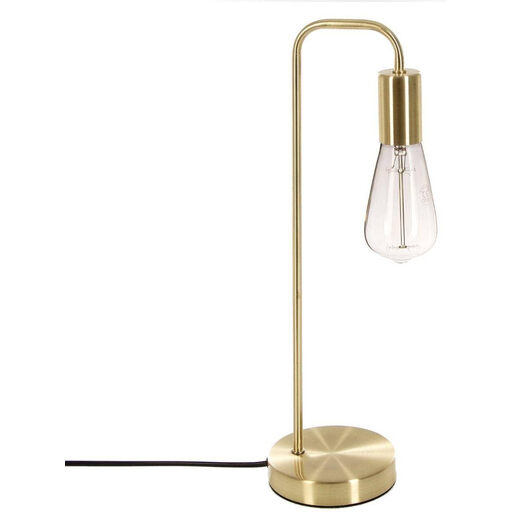
Why it suits this profile: This table lamp runs from mains power, has a 150 cm cable and fits on a desk, bedside table or side table. The E27 fitting allows you to choose a suitable bulb yourself.
The fitting and maximum load of 40 W are clearly stated. The lamp is intended for indoor use only and is not dimmable.
Metal housing, 46 cm high and fitted with an in-line switch. The light source is not included.
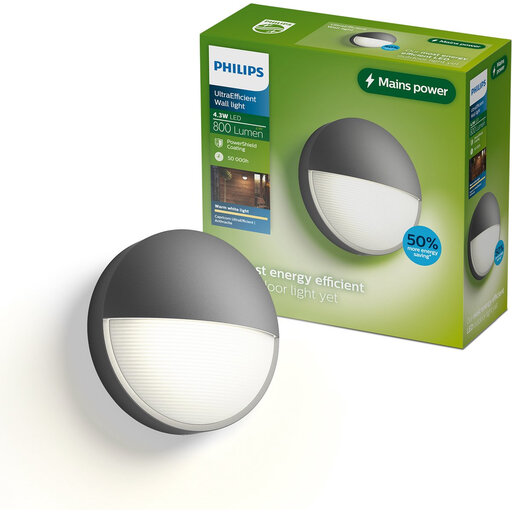
Why it suits this profile: This fixed outdoor wall lamp is designed for an entrance, façade, balcony or garden and provides warm white light at 2700K.
The IP44 classification is clearly stated. The fitting is not completely waterproof and requires a fixed connection by a qualified electrician.
Integrated LED, 800 lumens, aluminium housing and warm white light. According to Philips’ own information, the light source cannot be replaced.
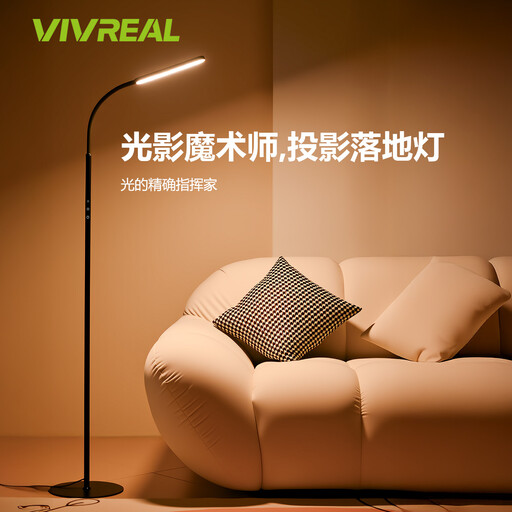
Why it suits this profile: This tall floor lamp is designed for living rooms, offices and reading corners where adjustable lighting is desirable.
The product information specifies 14 W, three colour temperatures and a remote control. This means you do not have to rely on unverified claims about brightness.
180 cm high, adjustable to 3000K/4000K/6000K, with control from up to 10 metres according to the product description.
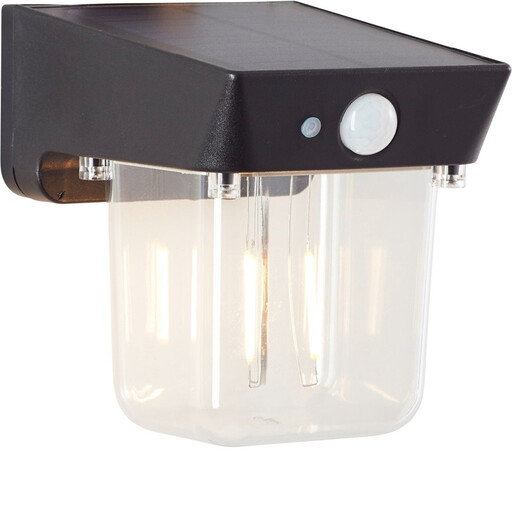
Why it suits this profile: This compact outdoor lamp is suitable for an entrance, shed, garden path or façade without a fixed power connection.
The product clearly states IP44, integrated LED and a motion sensor. Bear in mind that solar performance depends on the amount of available daylight.
2 W power, 180 lumens, 2700K and an integrated battery. According to the product details, the lamp is dimmable.
We have put together a complete, up-to-date list of products that fully meet these strict selection criteria and the applicable European safety regulations.
Check the IP classification and the installation instructions. IP44 lighting is splash-resistant, but not completely waterproof. Other protection levels may be required for an unprotected location. Have fixed outdoor lighting connected by a qualified electrician.
This depends on the wattage, number of hours it is switched on and your electricity tariff. Use this calculation: wattage ÷ 1000 × operating hours × electricity price. A 4 W lamp that is switched on for five hours a day uses less electricity than a 40 W lamp used for the same length of time. Also check whether the stated wattage applies to the complete lamp.
No. The fitting must be dimmable, and the light source used must be compatible with dimming. With a replaceable E27, E14 or GU10 bulb, check both components. For integrated LED lighting, the dimming function is usually listed in the product specifications, for example as a touch dimmer or remote control.
