
Vandaag of morgen in huis

Kwaliteit gegarandeerd

Welkomstaanbiedingen ontgrendelen: GRATIS bezorging | Tot 80% korting | Gratis 30 dagen JoyPlus-proefperiode
Download de app
Buying a good basketball seems simple—until you notice your new ball is already worn out after a few games on the local court. Or your child gets frustrated because the ball is too big and heavy. Many basketballs are designed with specific features that aren't always clearly stated, often leading to wasted money and disappointment.
Before you buy a basketball, it's helpful to know the most common pitfalls:
outdoor basketball game after a short time.size 7 basketball for a young child. This hinders their skill development and enjoyment of the game. The size must match the player's age and hand size.To avoid a bad purchase, there are two specifications you should always check: the material of the outer layer and the official size.
The choice of material determines the durability and feel of the ball, especially for an indoor/outdoor basketball.
rubber basketball offers reliable grip and bounce, even in changing weather conditions. Ideal for the schoolyard, driveway, or local street court.The size of the basketball is crucial for proper ball control and skill development. These are the standard sizes:
kids' basketball for elementary and middle schoolers.Below are some popular choices, matched with different types of players. We've focused on specifications that help avoid the pitfalls mentioned earlier.
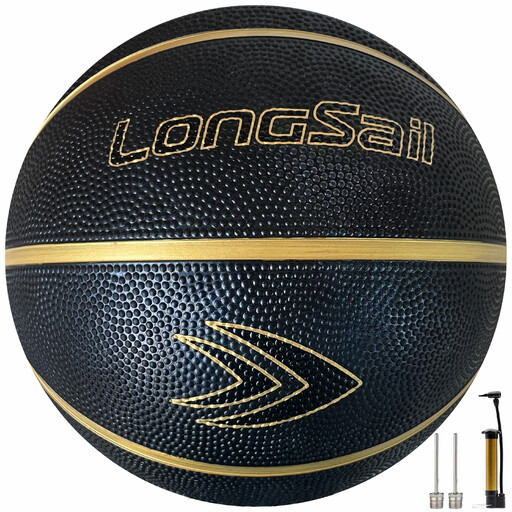
Why This Fits Their Persona: Ideal for parents looking for a first, durable ball for their child (ages 9-12). This ball is made for the schoolyard and comes as a complete set, so you can start playing immediately.
The rubber outer layer is durable for outdoor use, and the size 5 is perfectly suited for the target age group, avoiding the 'wrong size' pitfall.
Comes as a complete set, including a basketball with a pump, needles, and a carrying bag. Ready to use right out of the box.
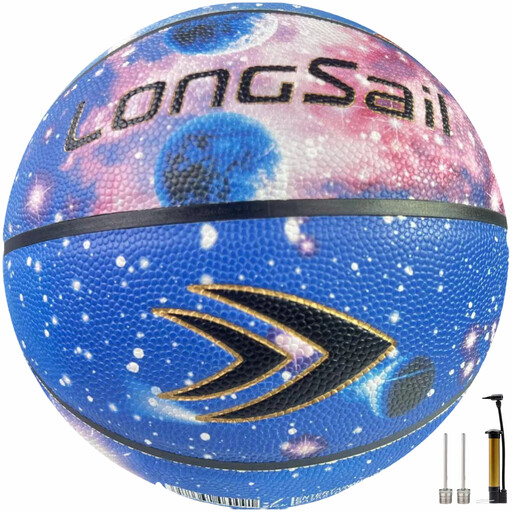
Why This Fits Their Persona: For the player who splits time between the street court and the gym. This ball offers a great balance between the soft feel of an indoor ball and the durability needed for outdoor play.
The PU composite leather is a compromise that is more resistant to outdoor use than a pure indoor ball, thus sidestepping the 'indoor-only' trap.
Offers superior grip and ball control thanks to its moisture-absorbing material. The deep channels ensure a consistent bounce on various surfaces.
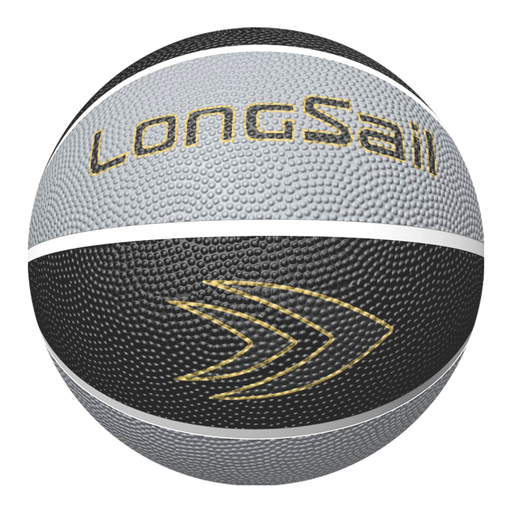
Why This Fits Their Persona: For the player who primarily plays on rough surfaces like asphalt and concrete. Durability is the most important factor here. This ball is built to take a beating.
Made from a high-density rubber compound specifically designed for maximum abrasion resistance. According to the manufacturer, the ball is leak-proof for up to 48 hours, which tackles the 'quick deflator' frustration.
Maximum durability for outdoor use. Also comes as a complete set with a pump, needles, and a carrying bag.
We've compiled a complete, up-to-date list of products that meet these selection criteria and current guidelines.
The recommended pressure is usually printed on the ball itself, often in PSI (pounds per square inch). A general guideline is between 7 and 9 PSI. A simple test: drop the ball from shoulder height. If the bottom of the ball bounces up to about your waist, the pressure is good.
The lifespan of an outdoor basketball depends heavily on the frequency of use and the roughness of the surface. A good rubber basketball can last for several years with regular use on asphalt or concrete. A composite leather ball will show signs of wear much faster on the same surface.
It is not recommended. Indoor basketballs are typically made of genuine leather or high-grade composite leather. These materials are not designed for the abrasive nature of concrete or asphalt and will damage very quickly, lose their grip, and break down. For outdoor use, always use a ball specifically designated as "outdoor" or "indoor/outdoor".
