
Vandaag of morgen in huis

Kwaliteit gegarandeerd

Welkomstaanbiedingen ontgrendelen: GRATIS bezorging | Tot 80% korting | Gratis 30 dagen JoyPlus-proefperiode
Download de app
A quick dribble, a sudden turn, a powerful shot into the top corner. Indoors, the game is played at high speed, and technique is decisive. The right shoes are not a luxury, but a necessity. Slipping at a crucial moment, a lack of ball feel, or sore feet after a match are common frustrations. This guide is designed to help you choose the right indoor football shoes. We'll look at the specifications that truly matter, so you can make an informed choice that suits your playing style.
Before we dive into specific models, it's helpful to know which features define a good indoor shoe. Pay attention to the following three points.
The surface in a sports hall is smooth and hard. Therefore, the sole of your shoe is of utmost importance. A non-marking sole is an absolute requirement. These rubber soles are specially designed to provide maximum grip on indoor floors without leaving black streaks. This is often a mandatory rule set by the sports hall management. The flat structure ensures an optimal contact surface, which is essential for stability during quick turns. Do you also play on artificial grass? Then look for shoes with a TF (Turf) sole, which have small nubs for extra grip on that surface.
The material of the upper largely determines comfort and your feel for the ball. The choice is often between leather and synthetic materials.
Indoor football is a sport with many short, explosive movements. Your shoes must snugly wrap your feet without being too tight. A good fit prevents your foot from sliding inside the shoe and reduces the risk of blisters. Also, pay attention to the cushioning in the midsole. A midsole made of a material like Phylon absorbs shock during running and jumping on the hard indoor floor, which reduces the stress on your joints. This is an important feature for men's indoor shoes and women's shoes for those who play regularly.
Based on product specifications and their popularity in the futsal world, we have highlighted a few models of Joma indoor football shoes.
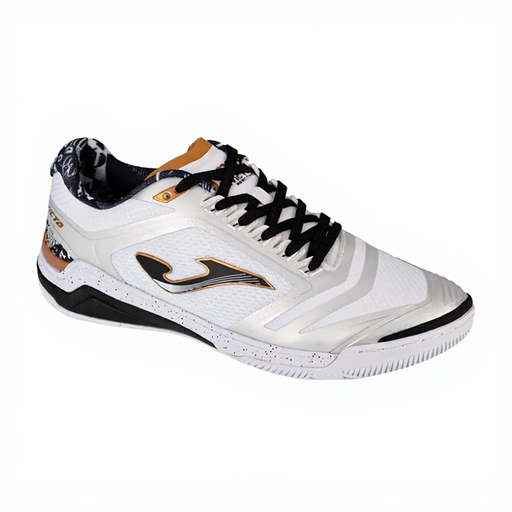
Why it stands out The Joma Invicto is designed for the fast, agile player. Its lightweight synthetic upper and streamlined fit make this shoe a reliable choice for dynamic actions.
Pros
Who is it for? For the player looking for a light and responsive shoe that supports agility and ball control during training and matches.
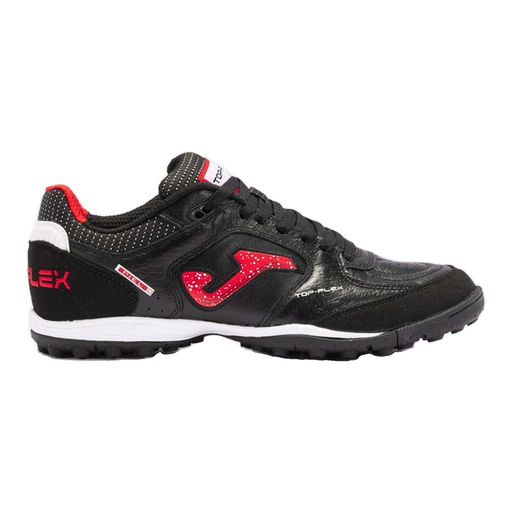
Why it stands out This is the iconic Joma Top Flex, but in a TF version. Although it's not a pure futsal shoe, it's an excellent option for players who primarily play on artificial grass pitches. The shoe combines the renowned flexibility of leather with a sole optimised for turf.
Pros
Who is it for? For the versatile footballer who seeks the quality and ball feel of the Top Flex but plays primarily on artificial grass.

Why it stands out This is the classic among indoor football shoes. The Top Flex IN has been trusted by professionals and amateurs for decades due to its unparalleled flexibility and the ball feel provided by its premium leather.
Pros
Who is it for? For the serious indoor footballer who prefers a traditional, leather shoe that excels in flexibility, comfort, and ball feel.
The right shoes are the foundation, but good training makes the difference. Besides footwear, are you also looking for ways to improve your agility and footwork? Check out our selection of Multifunctional Ladders to take your performance to the next level.
The main difference is in the sole. Indoor football shoes have a flat, rubber non-marking sole for grip on smooth indoor floors. Field football boots have studs (plastic or metal) for grip on grass. Using field boots indoors is prohibited and dangerous, while indoor shoes offer no grip outdoors.
Joma is a Spanish brand deeply rooted in the futsal world. Models like the Joma Top Flex have been worn by many professional and amateur players for years. They are known for their focus on flexibility, ball feel, and durability, making them a popular choice for technical players.
It is not recommended. The soft rubber sole of futsal shoes wears out extremely quickly on rough surfaces like asphalt. On artificial grass, they provide insufficient grip, which increases the risk of slipping and injuries. For artificial grass, shoes with a TF (turf) sole are the appropriate choice.
