
Vandaag of morgen in huis

Kwaliteit gegarandeerd

Welkomstaanbiedingen ontgrendelen: GRATIS bezorging | Tot 80% korting | Gratis 30 dagen JoyPlus-proefperiode
Download de app
When you're looking for new indoor football shoes, the sheer number of options can be overwhelming. Brands promise the world, but in reality, you often end up with shoes that underperform or wear out quickly. Before you make a choice, it's important to understand the most common pitfalls.
Many players fall into two familiar traps:
This guide will help you avoid these problems and make an informed decision based on the specifications that truly matter.
To avoid a bad purchase, it's best to focus on three concrete features. These determine whether a pair of futsal shoes is suitable for your game on a hard indoor court.
The most critical requirement for indoor football shoes is the sole. It must do two things: provide excellent grip and leave no marks.
The shoe's material determines your touch on the ball and how long the shoe will last.
A hard indoor court is more demanding on your joints than a grass pitch. Good cushioning is therefore essential.
Based on these functional criteria, we have selected a number of models that suit different types of players.
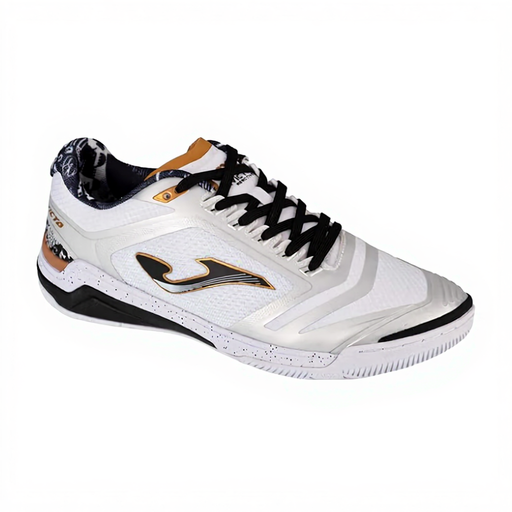
Why it matches this profile: This player plays weekly for fun and is looking for a reliable shoe that doesn't break the bank. The Joma Invicto is a no-nonsense shoe that focuses on the fundamentals: grip, support, and a solid ball feel.
The rubber non-slip sole is specifically designed for indoor courts, which prevents slipping and leaving scuff marks. The durable synthetic upper is more resistant to wear and tear than cheaper alternatives.
Offers a combination of a lightweight design with textured zones for ball control and a padded collar for ankle support. A solid all-rounder.
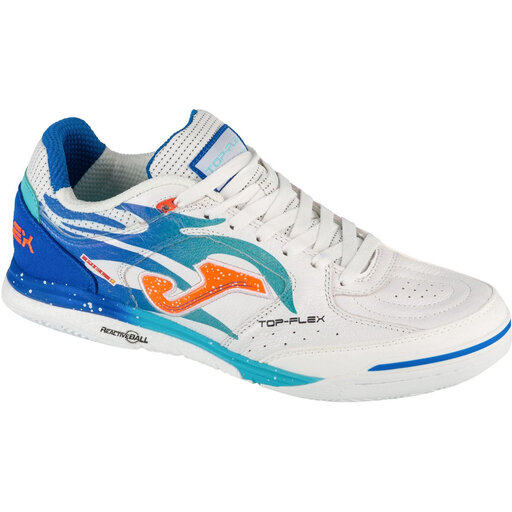
Why it matches this profile: This player takes the sport seriously and seeks a shoe that supports agility and responsiveness. The Top Flex Rebound is designed for dynamic play, with technology focused on energy return.
Instead of focusing on aesthetics, this shoe delivers functional technology. The reinforced toe cap directly addresses the durability problem, while the sole is optimised for grip and rapid movements.
The Rebound technology in the midsole, as described by Joma, provides extra energy return. The shoe combines this with a flexible design and a cushioned EVA insole for comfort during intense matches.

Why it matches this profile: For this player, ball control and flexibility are paramount. The Joma Top Flex is a classic in the futsal world precisely because it focuses on a natural ball feel and freedom of movement.
This model ignores unnecessary marketing gimmicks and focuses on what technical play requires: a supple upper that adapts to the foot. The reinforced toe cap and non-marking sole are standard features.
The light and flexible design allows for quick footwork and precise ball handling. The cushioned midsole provides comfort without sacrificing direct contact with the floor and ball.
We have compiled a complete, up-to-date list of products that fully meet these strict selection criteria and local regulations.
The biggest difference is the sole. Indoor football shoes have a flat, non-marking rubber sole for maximum grip on smooth, hard floors. Running shoes, for example, have a thick, cushioned sole with a tread for grip on asphalt, which makes them unstable and unsuitable for indoor football.
This is almost always explicitly stated in the product description. The term 'non-marking' is the standard designation. If you're in doubt, you can look at the material: soles made of natural gum rubber (often light brown or yellow in colour) generally do not leave marks.
The lifespan depends on the frequency of play, your playing style, and the quality of the shoe. A recreational player can get several seasons out of a good pair. For a dedicated player who plays several times a week, six months to a year is more realistic. Models with a reinforced suede or rubber toe cap last noticeably longer, as this is the most vulnerable point of wear.
