
Vandaag of morgen in huis

Kwaliteit gegarandeerd

Welkomstaanbiedingen ontgrendelen: GRATIS bezorging | Tot 80% korting | Gratis 30 dagen JoyPlus-proefperiode
Download de app
Buying a new pair of indoor football shoes seems simple—until you're dealing with blisters after two matches or notice you're losing grip on every quick turn. The market is flooded with shoes that look flashy but fail to perform where it counts: on the indoor court. Many players fall into the same traps, spending money on shoes that become unusable after just a few months.
As a Joybuy Product Recommendation Officer, I see where things go wrong every day. These are the most common problems:
This guide will help you avoid these mistakes and choose the right indoor football shoes based on objective features, not marketing hype.
Before you make a choice, there are a few non-negotiable specs that determine if a shoe is suitable for the fast-paced indoor game.
The most important feature of any indoor shoe is the sole. It absolutely must have a non-marking sole. This means the rubber won't leave scuff marks on wooden or synthetic sports floors. This is a requirement in almost all sports halls.
The shoe's material determines its comfort, ball feel, and lifespan. The choice is usually between leather and synthetic materials.
Futsal shoes and other indoor models should feel like an extension of your foot. They should fit snugly without being restrictive. A flexible shoe allows your foot to move naturally, which is essential for technical plays on the court. A shoe that's too stiff will limit your agility and can cause blisters. Bend the shoe in-store or check for descriptions that highlight its flexibility.
Below are some popular choices, matched to different playing styles. This selection is based on the objective product features mentioned above.

Why This Fits Their Persona: Perfect for the player who prioritises ball feel and flexibility. The premium leather upper moulds to the foot for optimal control and comfort, ideal for the creative playmaker.
The supple leather prevents the stiffness and 'plastic' feel of cheaper synthetic shoes, significantly reducing the risk of blisters.
Superior ball contact and breathability thanks to the leather material. The sole includes rotation structures for easy pivoting.
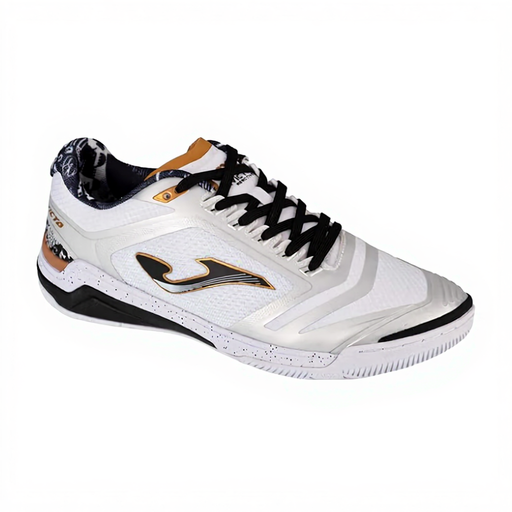
Why This Fits Their Persona: Designed for speed and quick turns. The lightweight synthetic upper and streamlined profile support the player who relies on explosiveness and agility.
This shoe avoids the pitfall of heavy, cumbersome footwear. The focus is on a lightweight construction without sacrificing the ankle support needed for sprints.
Lightweight design with a breathable mesh lining. The textured zones on the upper help with ball control at high speed.
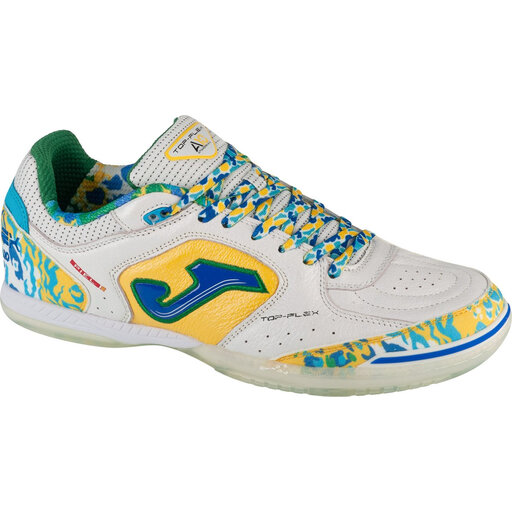
Why This Fits Their Persona: A versatile shoe that offers a balance of durability, comfort, and performance. Suitable for any position and for players seeking a dependable shoe for training and matches.
The sole provides consistent, reliable grip and is guaranteed to be non-marking. This helps you avoid the trap of a sole that loses its key function after just a few games.
Durable synthetic upper that can take a beating. The ergonomic fit and cushioned insole ensure comfort throughout the entire match.
We have compiled a complete, up-to-date list of products that fully meet these strict selection criteria and regulations.
The most reliable way is to check the product description for the term "non-marking". If it's not mentioned, you should assume the sole might leave marks. Rub your thumb firmly across the sole; if it leaves a dark smudge, it's likely not non-marking.
The terms are often used interchangeably. Futsal shoes are specifically designed for the technical and fast-paced nature of futsal. They typically have a flatter, thinner sole for maximum ball contact with the bottom of the foot and are extremely flexible. General indoor football shoes might have slightly more cushioning or a more robust profile, but the core principles (non-marking, grip, flexibility) remain the same. Many Joma indoor football shoes are designed with futsal in mind.
The lifespan depends on the frequency of use, playing style, and the quality of the shoe. For recreational use (once a week), a quality pair should last at least one to two seasons. Competitive players who train more frequently will wear out their shoes faster. Look for wear on the sole (reduced grip) and tears in the upper as indicators that it's time for a new pair.
