
Vandaag of morgen in huis

Kwaliteit gegarandeerd

Welkomstaanbiedingen ontgrendelen: GRATIS bezorging | Tot 80% korting | Gratis 30 dagen JoyPlus-proefperiode
Download de app
Indian snacks come in many forms, from crunchy Indian snack mixes and namkeen to potato crisps, roasted chickpeas and bhelpuri with chutney. The wide choice is useful, but it can also make choosing harder. Looking for something mild to enjoy with tea, a spicy snack for a party or small portions for when you’re out and about? In that case, flavour, ingredients and pack size matter more than a striking product name.
Look out for these three common pitfalls:
Check the ingredients list and allergen information on the packaging before you buy. Haldiram’s snacks, for example, contain chickpea flour, lentils, peanuts, cashews, sesame and wheat in different combinations. Product information can vary between varieties.
A product may be sold as vegetarian but still contain peanuts, nuts, sesame, soya or gluten. If you have an allergy or intolerance, always go by the packaging. It’s also worth checking any “may contain traces of” warnings. Online product information can change, so compare it with the physical label when your order arrives.
Choose according to when you’d like to enjoy your snack:
“Mildly spicy” is a product description, not a fixed European scale. If you’re sensitive to chilli, it’s best to start with a milder mix and check the ingredients list.
For tea, drinks or a small gathering, 150 to 200 gram packs are usually a manageable size. Individually wrapped snacks can be more convenient when you’re out and about. Wei Long Konjac Crunchy Snack, for example, comes in 20 portions of 18 grams.
It’s also worth comparing the nutritional information per 100 grams. Some mixes are relatively high in fat or salt because of the oil, herbs and salty spices. That makes them suitable as a snack, but not necessarily as an everyday staple. Check the best-before date, make sure the packaging is undamaged and follow the storage instructions. Store opened snacks in a cool, dry place in a tightly sealed container to help keep them crunchy.
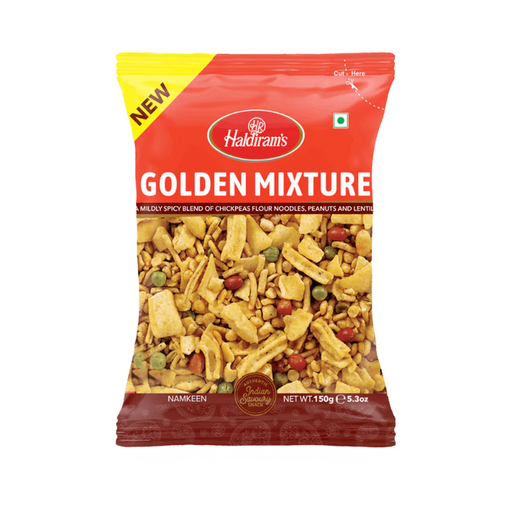
Why it suits this shopper: The 150 gram pack is a manageable size for a first taste of Indian snack mix. According to the product description, it’s mildly spicy and contains chickpea noodles, peanuts, lentils and green beans, among other ingredients.
The flavour profile and portion size are clearly described. Do check the label, though, as the product contains peanuts and may contain traces of nuts, sesame, soya and gluten, among other allergens.
A mildly spicy 150 gram mix that’s ideal with tea, when you have guests or for a small snack.
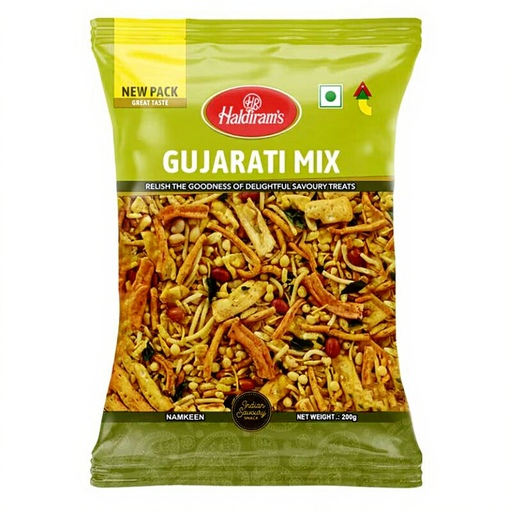
Why it suits this shopper: This 200 gram mix offers a variety of textures and ingredients, including chickpeas, lentils, rice flakes, peanuts, cashews and seeds. It’s a good choice if you’re after more variety in one bag.
The ingredients are listed clearly, rather than simply described as a “mix”. The allergen information lists peanuts, cashews, sesame and wheat containing gluten.
A 200 gram pack for sharing, combining pulses, nuts, rice flakes, seeds and spices.
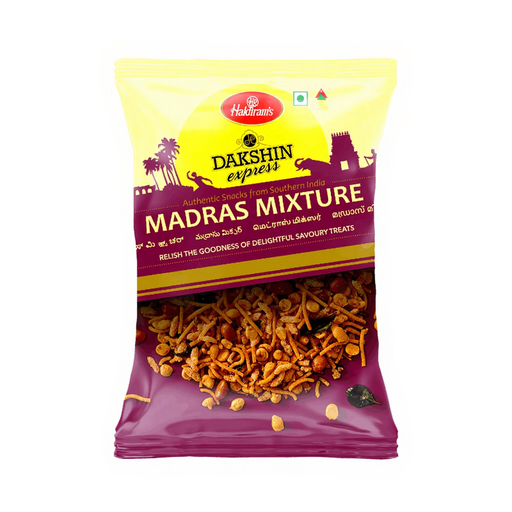
Why it suits this shopper: This 180 gram mix is for fans of bold South Indian seasoning. The product description lists chickpea noodles, rice flakes, peanuts, mustard seeds, fennel, red chilli and curry leaves.
The key spices are named, so you can get a better idea of the flavour. Check the packaging carefully for allergens; the online product information includes several warnings.
A bold spice profile in a 180 gram pack, ideal with tea, drinks or for sharing.
We’ve put together a complete, up-to-date list of products that meet these strict selection criteria and current European safety regulations.
Some Indian snacks are vegetarian, but that doesn’t apply to the whole range. Always check the ingredients and allergen information on the packaging. Products such as Aloo Bhujia are marketed as suitable for vegetarians, while other varieties may contain wheat, milk, soya or various nuts.
A milder snack mix, such as Golden Mix, or a savoury Gujarati Mix goes well with tea. If you’d rather try a combination of sweet, sour and spicy flavours, you could choose Bhelpuri with Chutney. According to the product description, bhelpuri needs to be mixed before serving, so it’s different from ready-to-eat namkeen.
Store the opened pack in a cool, dry place, away from direct sunlight and moisture. Seal the bag tightly or use an airtight container. Check the packaging and best-before information before eating. The current ingredients, allergen information and storage advice on the label always take precedence over online product information.
