
Same-day & Next-day Delivery

Quality Guaranteed

Unlock Your Welcome Offers: FREE Delivery | Up to 80% OFF | Free 30-day JoyPlus trial
Download the APP
An Indian curry does not have to become a lengthy cooking project. With a jar of curry sauce, a ready meal or a curry meal kit, you can often have rice, vegetables and spices on the table in no time. However, these products vary considerably in flavour, preparation, portion size and allergens.
If you focus only on words such as “authentic”, “full of flavour” or “mild”, you could be in for an unpleasant surprise. The following points will help you make a more informed choice when buying Indian curry.
The term mild says little about sweetness, creaminess or the quantity of spices. A korma curry is generally gentle and creamy, while a madras version often has a noticeably spicier character. That is why you should check the product description and ingredients list rather than relying solely on the front of the packaging.
Also pay attention to the difference between an Indian curry and a Japanese or Indonesian version. For example, S&B Vegetable Curry Sauce is a Japanese curry sauce. It is often prepared thicker and sweeter than many Indian curries.
With a jar of sauce, you will usually need to add your own ingredients. For example, Patak’s recommends adding 500 grams of chicken and basmati rice to several of its sauces. This affects the total price, preparation time and quantity.
A ready-made curry or frozen meal often already contains rice, vegetables and sometimes chicken. A meal kit sits somewhere in between: the spices, rice and sauce mix are included, but you still need fresh ingredients.
“Vegetarian” does not automatically mean vegan. Check for milk, butter, yoghurt, egg and possible traces of nuts. A product with a plant-based base may also contain soya or cashew nuts.
According to the product information, Patak’s Indian Curry Sauce is described as vegetarian and suitable for vegans, but the ingredients list mentions cream and butter from milk. Therefore, always check the physical label before using the product for someone with an allergy or following a strict vegan diet.
First consider how you want to enjoy your meal:
Also check the preparation time. Patak’s curry sauces state approximately 15 to 20 minutes, while a frozen meal such as Iglo South Indian Curry can be prepared in around 8 minutes according to the product description.
A 450-gram pack is not automatically enough for four people. Patak’s states that its Indian Curry Sauce provides four servings, but you still need to add chicken and rice. According to the product information, Chicken Tonight Indian Curry is suitable for three to four people and already contains vegetables, pineapple and sultanas in the sauce.
Therefore, compare:
This helps prevent a cheap jar of sauce from ultimately costing more than a complete meal.
The ingredients list is more important than general marketing claims. Look out for milk, gluten, soya, mustard, celery, egg and nuts. Knorr Indian Chicken Tandoori lists several possible allergens, including gluten, milk, soya, celery and mustard. According to the product information, Knorr Indian Chicken Madras contains, among other things, crustaceans, milk, gluten, mustard, nuts and soya.
Also review the nutritional values per 100 grams and per serving. A sauce may appear low in something per 100 grams, but in a large meal it can still provide a considerable proportion of your salt, sugar or fat intake. For frozen products, storage instructions are particularly important: keep them frozen and do not refreeze a product once it has thawed.
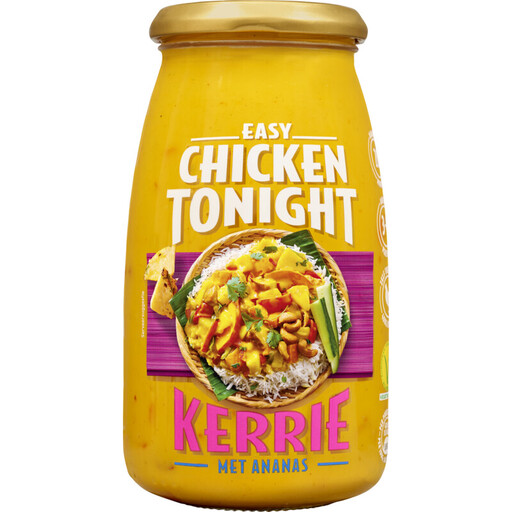
Why it suits this profile: This ready-to-use stir-fry sauce is designed for a quick meal with chicken and rice. The packaging states that it serves three to four people and already contains carrot, pepper, pineapple and sultanas.
The sauce makes it clear what you still need: mainly chicken and rice. This makes you less likely to buy a sauce on its own without a plan for the rest of the meal.
Ready-made sauce with vegetables, fruit and spices; suitable for three to four people according to the product information.
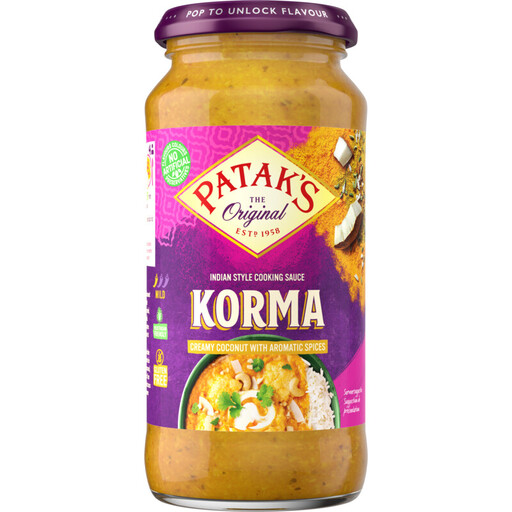
Why it suits this profile: The product description refers to a mild, creamy sauce with coconut, ginger and coriander. It is ideal for diners who prefer less heat but still want a distinctive spiced flavour.
The flavour profile and preparation are clearly described: add chicken and basmati rice, then simmer for around 15 minutes. However, check the milk and nut advice on the label.
Mild korma style; 450 ml pack; suitable as a base for chicken, meatballs or potatoes according to the product description.
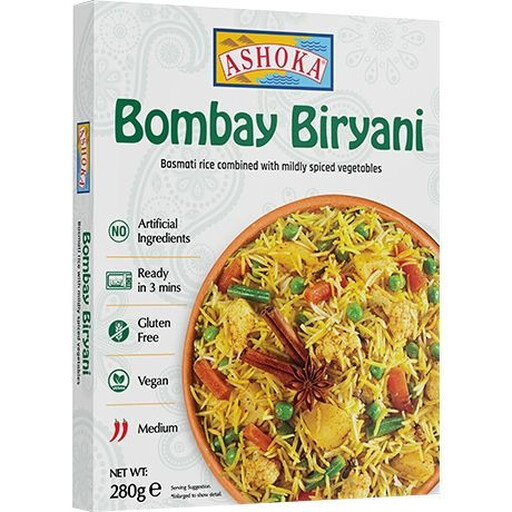
Why it suits this profile: For lunch, the office or a quick meal without extra shopping, this ready-made biryani contains basmati rice and vegetables. According to the listing, the product is vegetarian and vegan.
There is no need to plan a separate sauce, rice or source of protein. The allergen information lists none of the fourteen major EU allergens; nevertheless, always check the current packaging.
Ready to eat; basmati rice with potato, carrot, peas and green beans; quick to heat.
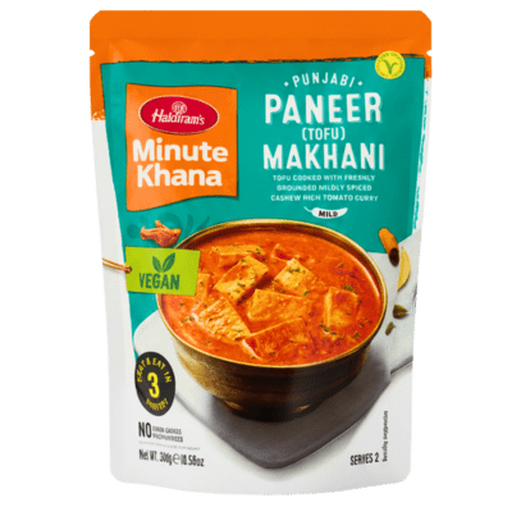
Why it suits this profile: This ready-made vegetarian curry uses plant-based tofu paneer in a creamy tomato sauce. According to the product information, it is suitable for vegans.
The plant-based ingredients are clearly stated in the product description. As tofu and cashew nuts are mentioned, checking for soya and nut allergens remains essential.
Ready to eat; plant-based tofu paneer; serve with rice, chapati or paratha.
We have put together a complete, up-to-date list of products that fully meet these strict selection criteria and the applicable European safety regulations.
A ready-made curry, biryani or frozen meal requires the least preparation. A jar of curry sauce is useful if you want to add your own chicken, tofu or extra vegetables. A meal kit involves more cooking, but gives you control over the fresh ingredients.
Basmati rice is often served with butter chicken, korma, tandoori chicken and biryani. When buying a meal product, check whether the rice is already included in the pack. With a sauce sold separately, you will usually need to prepare the rice separately.
Always follow the instructions on the label. An opened sauce should generally be kept chilled and covered. A frozen meal should remain frozen until use. Do not use the product if the packaging is damaged, and check the use-by or best-before information on the packaging.
