
当日/次日达

品质保障

开启新人专享福利: 全场免邮 | 低至 2 折 | 免费试用 30 天 JoyPlus 会员
下载 Joybuy
A few drops of urine when you laugh, sneeze or exercise call for a different solution from regular or heavier leakage. Yet incontinence pads for women, sanitary pads and absorbent underwear are often confused with one another. This can lead to leaks, an uncomfortable fit or unnecessary expense.
As a Joybuy Product Recommendation Officer, I filter product information for practical details: absorbency, dimensions, fit, material, pack size and when to use the product. That way, you can compare products using verifiable specifications rather than big marketing promises.
Sanitary pads are designed for menstrual fluid. Urine is thinner and often released suddenly. A pad for urine leakage therefore usually has a different shape, absorbent core and moisture distribution. A sanitary pad for urine leakage might sound like a sensible option, but always check whether the product is specifically intended for bladder weakness or incontinence.
Also check products designed for overnight menstrual flow. For example, Always Ultimate Night Pads Size 6 are long overnight sanitary pads with wings. The product description mentions use during menstruation, not for incontinence. So don’t automatically use a product like this as an overnight pad for urine leakage.
The term normal is not a fixed European absorbency standard, so it doesn’t mean the same thing for every brand. Always Discreet Normal, TENA Discreet Normal and other varieties can differ in length, absorbent core and fit. So don’t go by the name alone: check the intended level of urine leakage and the product information too.
A multipack may seem like good value, but the wrong style can end up unused. First check:
Choose a light style for occasional drips, and consider a longer or thicker style for larger amounts or longer periods between changes. Product descriptions use terms such as light, normal, extra, long and long plus. These terms can help you compare products, but they’re no substitute for the specific usage information on the packaging.
For daytime use, a discreet, anatomically shaped pad may feel more comfortable. For overnight use, extra length or a pull-up style can sometimes be more practical, as you move around more while sleeping. Incontinence pants for women fit around the body differently from a separate pad, and may be useful if an adhesive strip doesn’t feel secure enough.
A good fit helps prevent the pad from moving around. Look for an anatomical shape, elastic sides, wings and the position of the adhesive strip. A long style generally provides more coverage at the back, but may be more noticeable under tight clothing.
For disposable pull-up pants, measure your hip circumference using the size chart. C&S and YIJINCHAN pants are available in different sizes, but the product information doesn’t list complete absorbency ratings for every style. So check the latest size and product details before ordering.
If you have sensitive skin, a soft top layer, a latex-free composition and good air circulation are all worth considering. Claims such as “hypoallergenic”, “dermatologically tested” or “suitable for sensitive skin” come from the brand’s product information; they don’t guarantee that everyone will be able to use the product without problems.
Change disposable pads regularly and stop using them if irritation occurs. Use incontinence pads externally only, don’t flush them down the toilet, and store them in a dry place out of children’s reach.
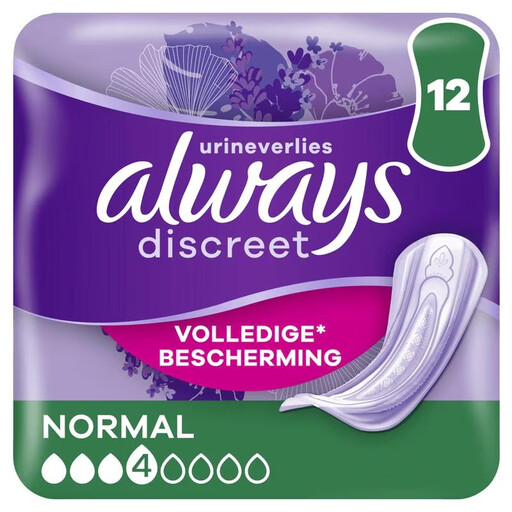
Why it suits this profile: A pack of 12 is a practical way to try the fit and absorbency for light urine leakage.
The product description specifically mentions use for light bladder leaks, so you don’t have to make do with ordinary sanitary pads.
12 pads per pack; Normal absorbency; designed for a discreet fit and single use according to the product information.
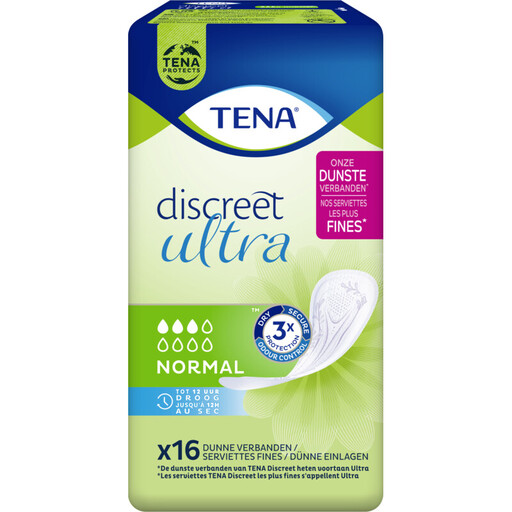
Why it suits this profile: A good option if you’re looking for a thin style for everyday use and value individually wrapped pads.
The product details describe an ultra-thin design, latex-free materials and 16 individually wrapped pads. Check the current packaging for details.
16 pads; ultra-thin Normal absorbency; materials listed in the product information include bamboo fibre, cotton and an absorbent core.
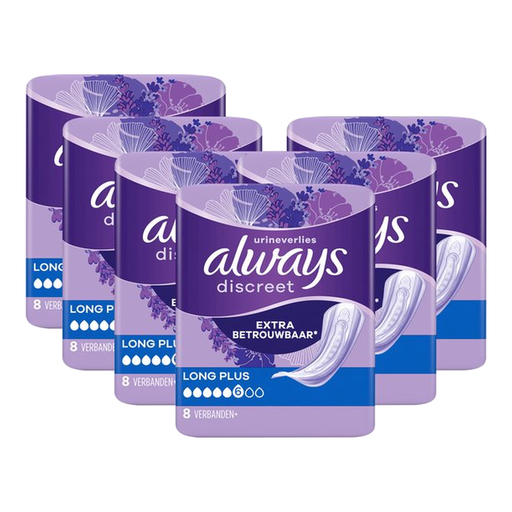
Why it suits this profile: A longer style for those looking for more coverage with heavier urine leakage or during longer activities.
This style is labelled Long Plus, and the product description mentions extra length and absorbency for heavy urine leakage. Compare this with your own needs.
6 packs of 8 pads; Long Plus shape; product information mentions an absorbent core and odour control.
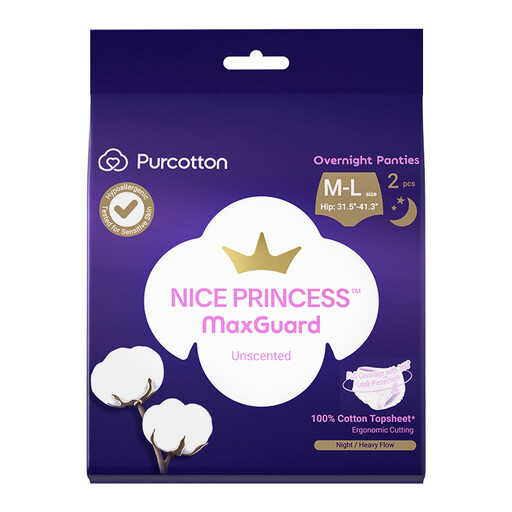
Why it suits this profile: A pull-up style for overnight use or travel, when full coverage is more convenient than a separate pad.
The pull-up style may help prevent shifting while you sleep. The product description lists size M-L and 2 pants; check your hip measurement before buying.
2 disposable pull-up pants; M-L; product information mentions a cotton top layer and an elasticated fit.
We’ve put together a complete, up-to-date list of products that meet these strict selection criteria and current European safety regulations.
It depends on the amount of urine leakage, the style and the instructions for use. Change the pad as soon as it feels saturated or uncomfortable. Product descriptions often recommend changing pads regularly; always follow the instructions on the packaging.
An incontinence pad is secured inside your underwear with an adhesive strip. Incontinence pants are pulled on like underwear and provide coverage all around. A pad is often more practical for light to moderate leakage during the day; pants may be more convenient overnight, when travelling or if a pad tends to shift.
No. Disposable pads should go in your household waste. Wrap the used product in its packaging, toilet paper or a small bag, then put it in the bin. If your urine leakage persists or gets worse, consult your GP or another healthcare professional.
