
Listener replaying quiet speech
You want to follow your lecturer at a comfortable volume. Try one of your own recordings, as unclear speech in a recording won’t automatically become clearer.


If you often listen in a noisy environment, start with well-fitting noise-cancelling in-ear earbuds: they may help you avoid the temptation to keep turning up the volume. If you usually listen somewhere quiet or want to stay aware of your surroundings, compare open-ear earbuds. Neither design can restore words that are already unclear in the recording.
You want to follow your lecturer at a comfortable volume. Try one of your own recordings, as unclear speech in a recording won’t automatically become clearer.
You listen amid background noise and want to follow lecture recordings without constantly turning up the volume. Fit and noise isolation are important considerations.
For long listening sessions, the way earbuds fit can make a big difference. Compare in-ear and open-ear designs for fit, but don’t judge sound quality by design alone.
Choose this option if: you often listen to recordings on a train or in another noisy environment.
Trade-off: ear tips may feel less comfortable during long sessions, so check the fit.
Choose this option if: you listen somewhere quiet, want to keep your ear canals clear or need to stay aware of your surroundings.
Trade-off: an open design doesn’t block out background noise in the way well-fitting in-ear earbuds can.
The figures below reflect consumers looking for earbuds to replay quiet lecture recordings. The WHO recommends well-fitting noise-cancelling headphones to help people resist turning up the volume in noisy situations; they can’t remove noise that’s already part of the recording.
| What matters | What to look for | Which consumers |
|---|---|---|
| Following quiet speech | Try a quiet clip of your own at a comfortable volume. Check that the controls and any sound settings suit the way you use your earbuds. | If I can’t follow a quiet clip, I first want to know whether the recording itself is clear; around 36% of consumers prioritise following quiet speech. |
| Background noise | Check how well the ear tips seal, how effective the noise cancellation is and whether there’s an ambient sound or transparency mode. | If you often listen amid background noise, you won’t want to keep turning up the volume; around 29% of consumers prioritise reducing background noise. |
| Comfort | Compare ear tip sizes with an open-ear design, and check the fit rather than assuming one type will be more comfortable. | For long listening sessions, I want a design that stays comfortable; around 21% of consumers prioritise comfort over extended wear. |
| Battery life and devices | Compare battery life per charge in the mode you’ll use. Check for multipoint if you want to switch between, for example, a laptop and a phone. | If I listen for a long time or switch between devices, I want to avoid charging breaks and unnecessary switching; around 14% of consumers prioritise battery life and switching between devices. |
Noise cancellation in earbuds targets the sound around you. If speech in the recording itself is masked by noise, editing may not be enough either; Audacity warns that a satisfactory result may be impossible if the noise is very loud.
Try the most difficult part of one of your own recordings before basing your choice on claims about noise cancellation or sound quality.
Battery life per charge isn’t the same as the total you get with the case. Battery capacity can also decrease over time.
Compare the stated battery life of the earbuds themselves in the listening mode you plan to use.
If a session lasts longer than the battery life per charge, you may need to take a break to recharge.
Open-ear designs keep you aware of background sounds, while well-fitting in-ear earbuds can create a seal. That doesn’t mean both styles are equally suited to quiet passages in a noisy environment.
Let your listening environment and fit preference guide which style you try first; don’t assume there’s an unproven difference in speech clarity.
The WF-C710N is an in-ear model worth comparing if you’re looking for noise cancellation, an ambient sound mode and multipoint connectivity.
The OpenFit 2 is an open-ear model worth comparing if you want to stay aware of your surroundings.
AirPods Pro 3 are an in-ear alternative to consider if you use Apple devices and want to compare noise cancellation and transparency mode.
Liberty 4 NC is an alternative worth comparing if you’re looking for features such as adjustable EQ and different listening modes.
This selection includes in-ear and open-ear models to compare for replaying lecture recordings. The right fit depends on factors such as background noise and your fit preference.
 No image available
The in-ear design makes these worth comparing if you’re looking for a close fit; try them with one of your own recordings to see if the fit and sound work for you.
The product name lists Bluetooth 5.4, touch controls and a Type-C charging case.
 No image available
The in-ear design and active noise cancellation make this a model worth comparing for listening amid background noise; they don’t prove that quiet recordings will be easier to understand.
The product description lists a 9-band equaliser and up to 6 hours of playback per charge with ANC enabled.
 No image available
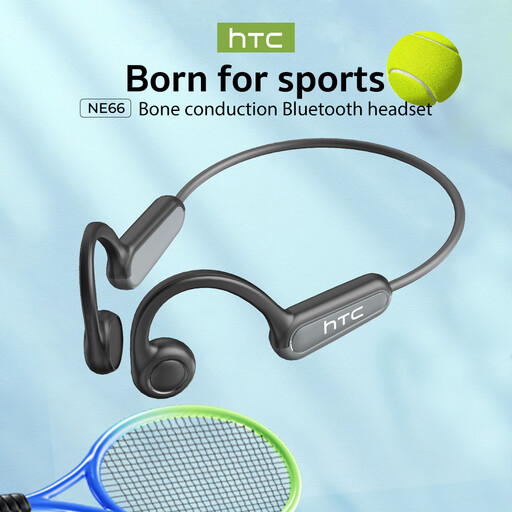
The open-ear design is an option if you want to stay aware of your surroundings while listening; it doesn’t create the seal you get with in-ear earbuds.
The product name lists Bluetooth 5.4.
 No image available
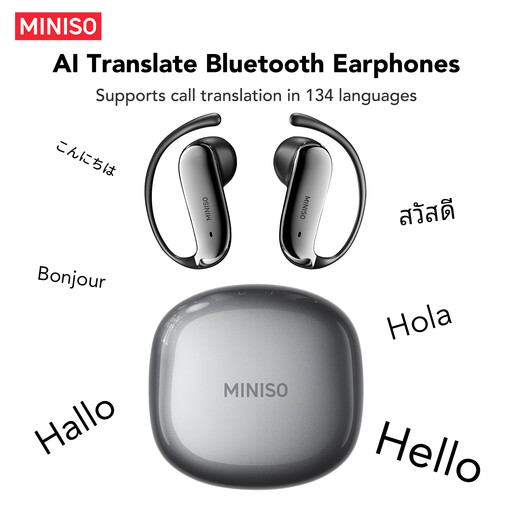
The open-ear design may suit you if you want to stay aware of your surroundings; bear in mind that it doesn’t block out background noise in the way in-ear earbuds can.
The product name lists Bluetooth 6.0.
 No image available
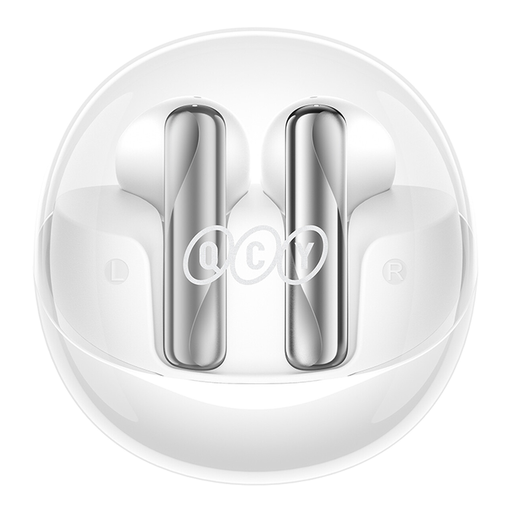
This QCY model is in the earbuds category; compare the fit and try one of your own recordings to see if it suits the way you listen.
No. Noise cancellation in earbuds targets the sound around you. Editing may sometimes help if speech and noise were recorded together, but Audacity warns that a satisfactory result may be impossible if the speech is barely louder than the noise.
First, check the fit and listen at a comfortable volume. For the WF-C710N, Sony describes an ear tip fit test, ambient sound settings and the option to pair two devices using the Sound Connect app; these steps apply to that model.
Before buying, compare battery life per charge with the total including the case. According to ACM ConsuWijzer, if a product breaks too soon under normal use, the retailer must resolve the issue under the rules for the legal guarantee; there isn’t one fixed legal guarantee period for all earbuds.
The Rijksoverheid says that listening to music while driving is permitted and that you may use your phone hands-free. This information doesn’t mean that every use of earbuds is safe in every traffic situation.
No, don’t assume that you can. ACM ConsuWijzer says that online purchases generally come with a 14-day cooling-off period, but there’s also an exception for hygiene products that have been removed from their packaging. Check the product and the terms and conditions to see whether the exception applies.