Who are these in-ears for?

Listeners who want to reduce background conversation

If you want to concentrate on short stories and don’t need to hear as much of your surroundings, a well-fitting, isolating in-ear monitor may suit you. Consumentenbond explains that in-ears seal the ear canal and can reduce ambient sound.

Listeners looking for lasting comfort

If you listen for several sessions, it’s important that the supplied eartips feel comfortable and fit securely. The models reviewed differ in the number of sizes and the materials specified by their manufacturers.

Listeners at work who want to stay approachable

If you need to be able to respond to colleagues from time to time, a strong seal isn’t necessarily the right choice. Consumentenbond explains that designs which leave the ear canal open let in more ambient sound.

What should you look for?

Isolating in-ear monitor

Best for: anyone who wants to follow a story in relative quiet while people are talking at work.

The trade-off: a good seal can reduce ambient sound, but it may also make it harder to hear a colleague. Consumentenbond describes this isolating effect of in-ears.

In-ear monitor that lets in ambient sound

Best for: anyone who needs to be able to respond to colleagues regularly while listening.

The trade-off: Westone describes the AM Pro X10 as a monitor with a passive filter for environmental awareness. This doesn’t establish how clearly you’ll hear conversations at work or how intelligible the story will be.

What to consider What to look for when buying Who is this important for?
Clarity when people are talking Check which eartip sizes and materials are included; treat stated noise-isolation figures as model-specific information, not as a prediction of how clear things will sound at your workplace. If I want to follow a short story while colleagues are talking, clarity in noisy surroundings comes first; around 31% of consumers prioritise this.
Comfort and seal Check which sizes and materials are included, and follow the fitting instructions for the exact model. For repeated listening sessions, I want eartips that feel comfortable and don’t cause irritation; around 31% of consumers put wearing comfort first.
Being able to hear colleagues Consider how often you need to stay approachable, then compare an isolating design with a model that lets in ambient sound. If I need to respond to colleagues from time to time, being able to notice ambient sound matters more than maximum isolation; around 23% of consumers prioritise staying approachable.
Connection and replacement cable Check the plug, whether you need an adapter, and whether a replacement cable is specifically compatible with your chosen model’s connector. When I choose a wired monitor, I want to make sure it works with my playback source and that any replacement cable is compatible; around 15% of consumers prioritise ease of connection.

Common buying mistakes

  • Treating noise-isolation figures from different brands as a workplace contest

    Manufacturers’ figures describe different models and don’t tell you how much of a story or your colleagues’ voices you’ll hear at work.

    First decide whether you want isolation or to stay approachable, then assess the fit of the exact model.

  • Buying a wired monitor without checking the connection

    A 3.5 mm plug won’t connect directly to every playback source. The SE215 and ATH-E40 also use different connectors on the earphone side: MMCX and A2DC.

    Check both ends of the connection and look for a replacement cable that fits the exact model and connector.

    Brands worth comparing

    Shure

    The Shure SE215 is an isolating, wired monitor with a detachable MMCX cable and several supplied sleeves.

    • Shure states that this model provides up to 37 dB of sound isolation.
    • This is a manufacturer’s claim, not an independent workplace test; a good seal may also make it harder to hear colleagues.

    Etymotic

    Etymotic describes the ER2SE as a model with a flat response and passive isolation; the manufacturer says the ER2XR has extra bass.

    • Etymotic states that the ER2SE offers 35–42 dB of noise reduction and has a replaceable cable.
    • The noise-reduction figure is a manufacturer’s claim and isn’t directly comparable with figures for other models. Also consider whether the fit feels comfortable.

    Sennheiser

    The wired IE 100 PRO is a compact monitor supplied with silicone and foam eartips, according to Sennheiser.

    • The product specifications state less than 26 dB of sound attenuation.
    • Don’t read this as a directly comparable real-world measurement alongside figures from other brands. Check the exact version too: information about the wired and Wireless versions appears together in the manufacturer’s materials.

    Audio-Technica

    The ATH-E40 is supplied with four sizes of silicone eartips, a detachable A2DC cable and a 3.5 mm plug.

    • The different eartip sizes give you options to try for a good fit.
    • If you need a replacement cable, check that its connector is specifically compatible with this model.

    Westone Audio

    The AM Pro X10 takes a different approach for anyone who wants to combine ambient sound with the monitor signal.

    • Westone describes the passive StageSense filter as being designed for environmental awareness.
    • The manufacturer describes it for use on stage; this doesn’t establish how clearly you’ll hear conversations at work.

Joybuy products for listening at work

This Joybuy selection includes wired and wireless in-ear earphones for listening to short stories. Before choosing, check the connection and features listed in each product name.
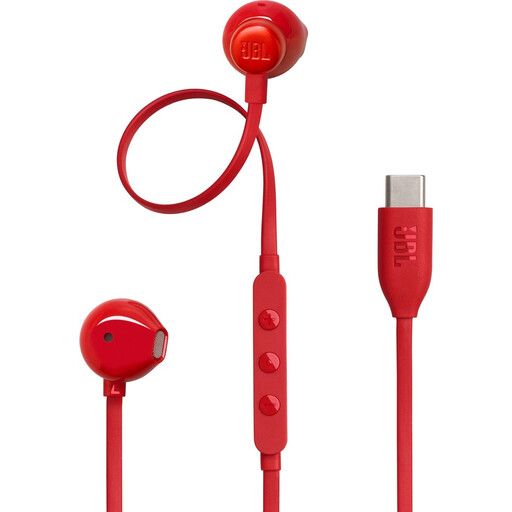
JBL Tune 305C wired USB-C earphones in red

JBL Tune 305C wired USB-C earphones, red

A wired option if your playback source has a USB-C connection.

USB-C connection; red finish.

View at Joybuy
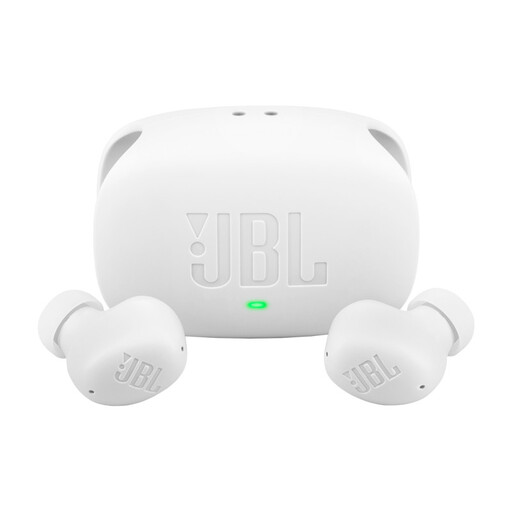
JBL Wave Buds 2 in white

JBL Wave Buds 2, white

An in-ear option to compare if you want to listen to short stories.

White finish.

View at Joybuy

Bose wired noise-cancelling earphones in black

Bose wired noise-cancelling earphones, black

A wired option to compare if you’re looking for earphones with noise cancelling.

Wired version; black.

View at Joybuy
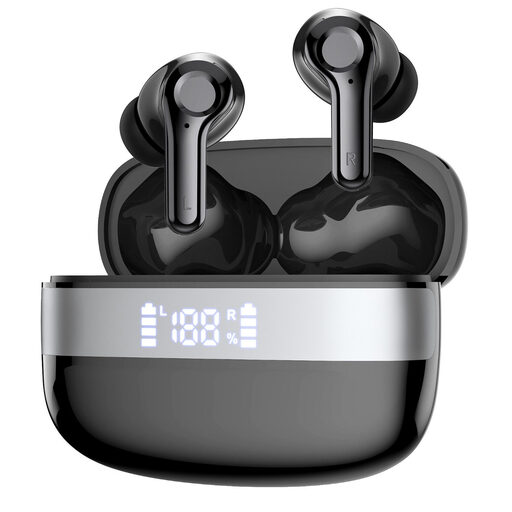
Bluetooth 5.4 in-ear headphones with LED battery display

Bluetooth 5.4 in-ear headphones with LED battery display

A wireless option if you want to listen from a Bluetooth source.

Bluetooth 5.4; stated playback time 6–8 hours; USB-C.

View at Joybuy
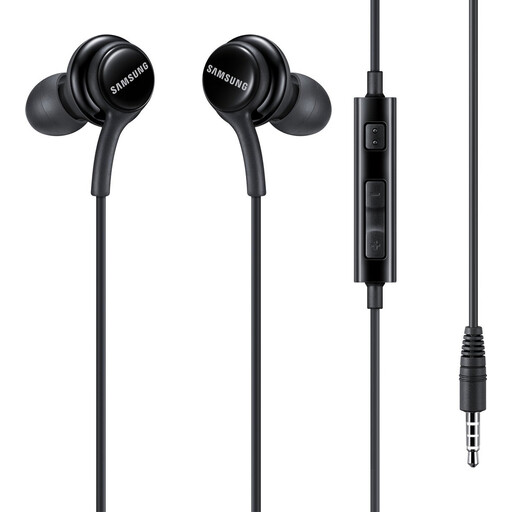
Samsung EO-IA500 in-ear stereo headset in black

Samsung EO-IA500 in-ear stereo headset, black

An in-ear stereo headset to compare if you’re looking for a wired listening option.

Black finish.

View at Joybuy

Frequently asked questions

Does the highest stated noise-isolation figure automatically make an in-ear monitor best for spoken stories?

No, not automatically. First consider whether you need to stay approachable at work and whether the eartips fit comfortably; a model specification won’t predict how much of a story or conversation you’ll hear.

How do you fit and care for the eartips on a Shure SE215?

Shure recommends a snug seal and trying another sleeve if the fit isn’t right. Don’t push the sleeve past the opening of your ear canal, replace any sleeve that isn’t secure, and follow the instructions for the exact model when cleaning.

Can you turn up the volume to drown out office conversations?

Try improving the fit first rather than continually turning up the volume. The World Health Organization points out that both sound level and listening duration matter for safe listening.

What are your rights when buying online in the Netherlands?

For eligible distance purchases from a business, you generally have a 14-day cooling-off period, as explained by Rijksoverheid. Check the terms before breaking any seal: not every hygiene product automatically falls under an exception. If a product is faulty, contact the seller about your statutory guarantee.

Can you use an in-ear monitor for listening to stories as mandatory hearing protection at work?

Don’t assume this based on a consumer specification for sound isolation. Dutch workplace rules require hearing protection in certain cases involving daily noise exposure; whether those conditions apply at your workplace and what protection is needed must be assessed separately.
