
Singer learning a part quietly
You use your travel time to listen to cues and harmonies without singing along audibly. Fit, isolation and compatibility with your playback device are important factors to consider.


If you want to learn a vocal part quietly on a bus journey, choose in-ear earphones that fit well and work with your playback device. A good seal can help you avoid turning the volume up higher and higher. If you want to hear yourself singing live, you’ll also need a suitable microphone and monitoring setup: in-ear earphones alone won’t feed a microphone signal back to you. If you plan to practise audibly, take the transport provider’s rules and the conditions on board into account.
You use your travel time to listen to cues and harmonies without singing along audibly. Fit, isolation and compatibility with your playback device are important factors to consider.
You want to hear your own voice alongside the backing track. Check the microphone, interface and direct monitoring setup too; whether you can practise audibly on board depends on the conditions of your journey.
You’re looking for a comfortable seal and want to think about listening volume and duration. The right ear tips and regular breaks may therefore be worth considering.
Choose this option: if you want to listen to a recorded part, or use a wired microphone and interface setup for direct monitoring.
Bear in mind: a cable can get in the way when you’re travelling; check the connection and the fit of the ear tips too.
Choose this option: if you mainly want to listen to a pre-recorded part or backing track without a cable connecting to your phone.
Bear in mind: wireless playback doesn’t prove that you can monitor your voice live without distracting delay. Check the entire signal chain for that.
Choose this option: if singing aloud isn’t suitable for your journey: listen to your part and follow the cues without singing along audibly.
Bear in mind: listening quietly won’t let you hear how your pitch and balance sound while you sing. Before practising audibly, check what’s appropriate for your transport provider and fellow travellers.
| What to consider | What should you look for? | Who is this most important for? |
|---|---|---|
| Seal and listening volume | Check the sizes and materials of the tips, how they fit, and whether you can still notice important travel announcements. | If I don’t want to drown out bus noise by turning the volume up, I look for a good seal and a manageable listening level. Around 36% of consumers give fit and listening volume their top priority. |
| Hearing your voice live | Decide whether you’ll be listening to a recording or want to monitor your voice live. For the latter, check the microphone input, headphone output and direct monitoring function of your setup. | When I want to hear my voice live alongside the backing track, I check the whole signal path, not just the earphones. Around 29% of consumers make direct voice monitoring their top priority. |
| Practising quietly and discreetly | Choose a setup that lets you listen to a recorded part without singing aloud; check your transport provider’s rules on audible practice. | If I mainly want to learn a part quietly during the journey, I want to be able to follow it without disturbing others by singing. Around 21% of consumers give discreet practice their top priority. |
| Connection and replaceable parts | Check the plug type or adapter you’ll need, the tips supplied, and whether a suitable replacement cable is available for the exact version. | If I want to use my in-ear earphones with a particular device and replace parts when needed, I check the connection and the exact version. Around 14% of consumers prioritise compatibility and maintenance. |
Manufacturers publish noise reduction figures for specific models, but the seal in your ears also matters. Shure’s guide notes that the fit of the earphones can affect the sound.
Start by checking the fit and keep the listening volume low, rather than turning it up to drown out bus noise. The World Health Organization points out that both higher sound levels and longer listening times increase the risk of hearing damage.
If the supplied tip sizes don’t create a good seal, you may need to buy suitable ear tips.
In-ear earphones won’t automatically play your microphone signal back to you. Direct monitoring is about the signal path from the microphone to the headphones.
Map out the signal path for your voice and backing track before you buy. Check that your setup has the inputs, outputs and monitoring function you need.
For direct monitoring, you may need a suitable microphone, interface and connections as well as in-ear earphones.
In-ear earphones affect what you hear, but they don’t automatically dampen the sound of your voice for fellow travellers.
If necessary, stick to quiet listening during the journey and check the transport provider’s rules before practising audibly.
The wired SE215 is an option if you’re looking for 3.5mm in-ear earphones with a choice of ear tips and a replaceable cable.
The IE 100 PRO range includes a wired version and a separate Wireless version for listening on the move.
The ER2SE may suit you if passive isolation and the flat tuning described by Etymotic are important to you.
These products are suited to listening quietly to a recorded vocal part while travelling. Before you buy, check that the connection and version work with your playback device.
 No image available
Suitable for listening quietly to a recorded part; the product name lists wireless earphones with ANC and Bluetooth 6.0.
 No image available
Suitable for listening quietly to a recorded part; the product name lists wireless in-ear earphones with Bluetooth 5.4.
 No image available
Suitable for listening to a recording wirelessly; the product name lists True Wireless and Active Noise Cancelling.
 No image available
Suitable for listening quietly with wired earphones; the product name lists noise cancelling and the colour black.
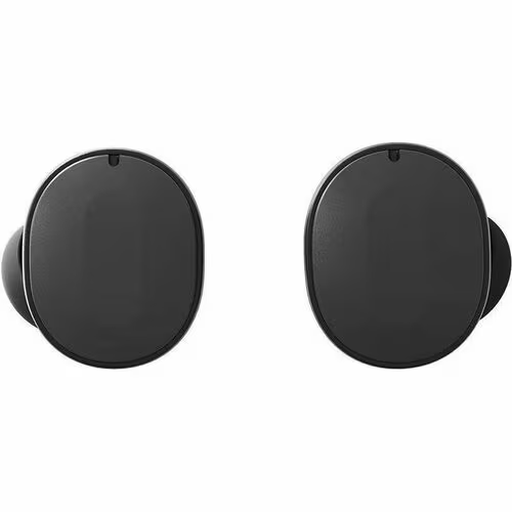 No image available
Suitable for listening quietly to a recorded part; the product name identifies the Fairbuds in black.
No, not if you want to monitor the microphone signal: you’ll also need a suitable microphone and the right signal path. Focusrite describes direct monitoring for certain Scarlett and Saffire interfaces; check whether the feature is available on your equipment.
Try the supplied tip sizes without forcing them, and follow the guide for your exact model. Shure’s SE215 guide notes that a good seal affects the sound and explains how to replace the sleeves.
According to the Dutch government, a 14-day cooling-off period applies to many online purchases. Before opening or trying the product, check the product and returns terms for your chosen in-ear earphones; this information doesn’t clarify the rules for every specific hygiene seal.
You can’t tell from the mention of Bluetooth alone. Sennheiser describes listening on the move with the IE 100 PRO Wireless, while Focusrite describes direct monitoring for certain interfaces. Check your entire setup if you want to sing along live.