
Picking out chords
You want to follow musical parts and chord notes in a recording. Compare the sound signature and fit, but don’t treat manufacturers’ descriptions of sound detail as proof that a model makes chords easier to identify.


When picking out chords on the train, a good seal and a sound signature that suits your listening preferences matter more than a standalone isolation rating: it cannot guarantee how the earphones will sound in your ears. A wired monitor is a sensible choice if you want to listen without worrying about a battery, provided the connection is compatible. Choose a wireless ANC alternative if going cable-free and adjustable noise cancellation matter more to you.
You want to follow musical parts and chord notes in a recording. Compare the sound signature and fit, but don’t treat manufacturers’ descriptions of sound detail as proof that a model makes chords easier to identify.
You want to follow your music without constantly turning up the volume. A good fit can help; wireless earbuds with ANC are another option, but they’re a different type of product from a wired monitor.
You often wear your earphones for longer periods and consider the fit, cable or battery, and whether you can let in ambient sound.
A good choice if: you want to listen closely to musical parts and chord notes, and your playback device has a compatible connection. Etymotic describes the ER2SE as flat-tuned, while Sennheiser calls the IE 200 balanced. These are manufacturers’ descriptions, not the results of a comparative chord-identification test.
Keep in mind: you’ll be tied to a cable, so check the plug and fit.
A good choice if: a comfortable fit and a replaceable cable are priorities for you. Shure lists a detachable MMCX cable for the SE215, while Audio-Technica includes four sizes of silicone tips with the ATH-E40.
Keep in mind: connectors vary by model. Shure and Audio-Technica also describe the bass response of these models as a factor to consider when choosing a sound signature.
A good choice if: cable-free travel and adjustable noise cancellation matter more to you than a wired monitor setup. Sony lists ANC and adjustable ambient sound settings for the WF-1000XM5.
Keep in mind: you’ll need to manage the battery and make sure you can hear announcements clearly enough. ANC doesn’t prove that a model makes chords easier to identify.
| What to consider | What should you check? | Who is this important for? |
|---|---|---|
| Isolation on the train | Compare the supplied tip sizes and fit; treat isolation figures as manufacturers’ claims, not guaranteed results. | If I want to follow my music without constantly turning up the volume, I’ll focus on the seal and fit. Around 36% of consumers prioritise blocking out train noise. |
| Sound signature | Compare the tuning description for the exact version; a manufacturer’s description isn’t a test of chord identification. | When I want to pick out musical parts and chord notes in a recording, I look for a sound signature that suits my preferences. Around 29% of consumers prioritise this tuning. |
| Fit and comfort | Check the supplied tip sizes and materials, and consider how the wearing style feels to you. | If I listen regularly for longer periods, I want a fit I find comfortable to wear. Around 21% of consumers prioritise wearing comfort. |
| Connection and everyday use | Check the plug for your playback device and, if you’re buying a replacement cable, the connector for the exact model. For wireless use, consider the battery and controls. | For my daily train journey, I want to know whether the earphones work with my device and are practical to use. Around 14% of consumers start by considering connectivity and ease of use. |
The seal also depends on your ear canal, the ear tip and the fit. Shure also states that sound isolation is not a hearing protection rating.
Check the fit with suitable tips, and don’t turn your music up to compensate for a poor seal.
Manufacturers describe different tunings and noise-cancelling features, but those descriptions don’t show that a model makes chords easier to identify.
Choose a sound signature that you like, and treat ANC as a separate consideration for managing ambient noise.
The models discussed use different connectors, including MMCX and A2DC.
Check the exact model, connector and plug at both ends before choosing a replacement cable.
If your playback device doesn’t have a suitable connection, you may need an additional adapter or other connection solution.
ACM ConsuWijzer notes an exception to the cooling-off period for certain hygiene products that have been removed from their packaging.
Before opening the packaging, check it and the seller’s terms and conditions. The cooling-off period and your legal rights if a product is faulty are separate matters.
The ER2SE and ER2XR are wired in-ear headphones with different tunings, as described by Etymotic.
The SE215 is a wired monitor with an over-ear fit.
The ATH-E40 is a wired monitor for anyone comparing the supplied fit options and a replaceable cable.
The IE 200 is a wired in-ear model that Sennheiser describes as balanced.
The WF-1000XM5 is a wireless ANC alternative, not a wired studio monitor.
This Joybuy selection features wired in-ear headphones for listening to music on the go. Check that the connection and fit are right for your device and ears.
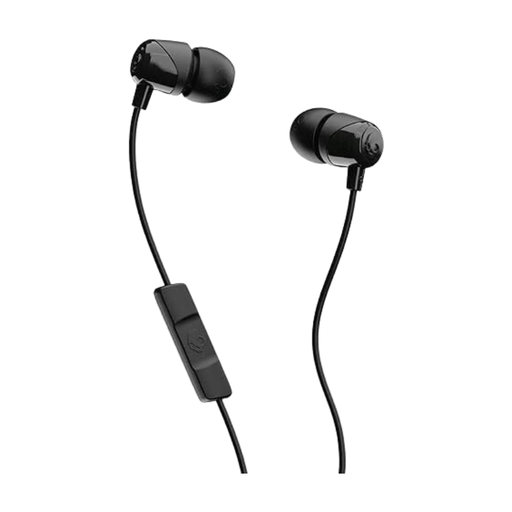 Image unavailable
Wired in-ear headphones for listening to music on the go. The described noise-isolating fit may be useful if you want to reduce train noise.
The product description lists a 3.5mm cable and a detachable cable. Requires a device with a 3.5mm connection.
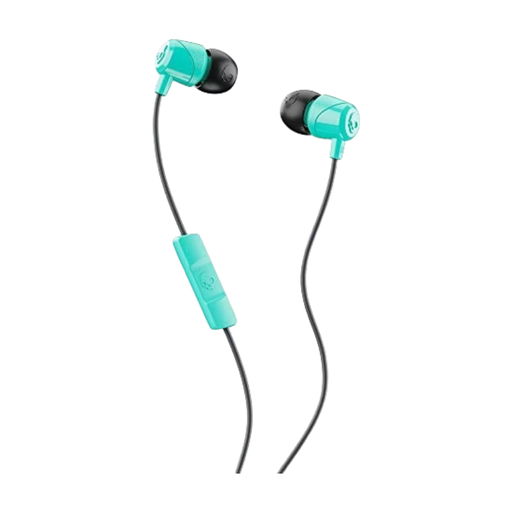 Image unavailable
Wired in-ear headphones for listening to music. The described noise-isolating fit may suit anyone who values a good seal while travelling.
The product description lists a 3.5mm connection and three pairs of silicone ear tips. Requires a device with a 3.5mm connection.
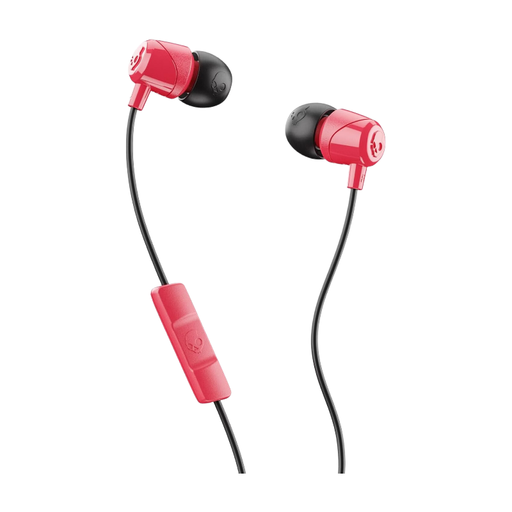 Image unavailable
Wired in-ear headphones for listening to music on the go, with a choice of supplied ear tips to compare.
The product description lists a 3.5mm connection, a retractable cable and seven pairs of silicone ear tips. Requires a device with a 3.5mm connection.
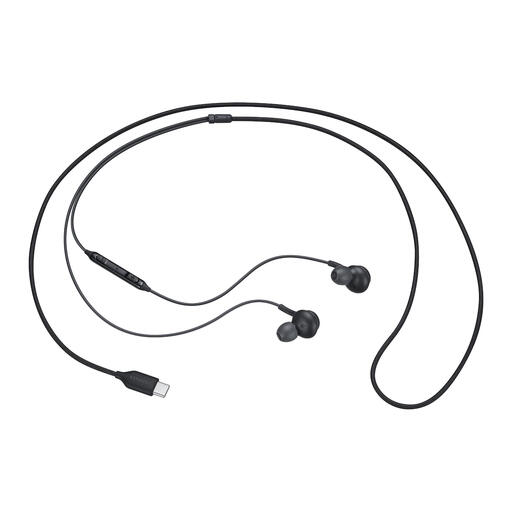 Image unavailable
Wired in-ear headphones for listening to music, provided your device has a compatible USB-C connection.
The product description lists a built-in DAC, AKG tuning, multiple ear tip sizes and 2-way speakers. The sound is described as balanced. Requires a compatible device with a USB-C connection.
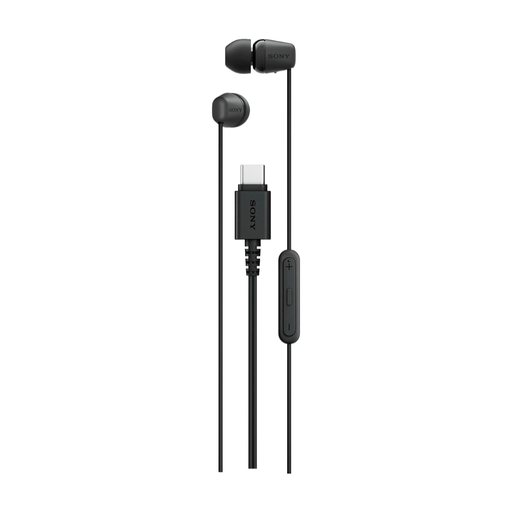 Image unavailable
Wired in-ear headphones for music and calls, provided your device has a compatible USB-C connection.
The product description lists a built-in microphone, remote control and a sound profile described as balanced and clear. Requires a compatible device with a USB-C connection.
No. The product descriptions discussed here cover sound reproduction and isolation, not automatic chord identification. You use the earphones to listen to the recording; don’t expect them to name the chord as a product feature.
The World Health Organization advises keeping the volume low, taking regular breaks and using well-fitting or noise-cancelling headphones to reduce the temptation to turn up the volume in noisy environments. It suggests setting your device volume to no more than 60% as a practical guideline; this isn’t a guaranteed safe limit for every combination of device and earphones.
Check that the plug fits your playback device and, if you need a replacement cable, that it has the right connector for the exact model. The wired versions discussed here don’t all have the same connection on the earphone side.
No, not always. ACM ConsuWijzer states that online purchases generally come with a 14-day cooling-off period, and notes an exception for certain hygiene products that have been removed from their packaging. Before opening the packaging, check with the seller whether that exception applies to your specific purchase. Your rights if a product is faulty are a separate matter.
According to the Dutch government, you should contact the seller to find a solution. The Netherlands doesn’t have a fixed statutory guarantee period that applies to all products; what you can expect from a product depends, among other things, on the product and how it is used.