What should you look for when choosing?
Start with fit and compatibility, then decide how much of your surroundings you want to hear while listening to a talk.
| What to consider |
What should you check? |
Who is this important for? |
| Following spoken content |
Check which sizes and materials of eartips are included. Try a familiar speech recording to see whether you can follow it clearly at a moderate volume. |
On a noisy train, I want to follow the museum talk without continually turning up the volume. Around 33% of consumers rank speech clarity above other buying priorities. |
| Fit and comfort |
Check the included eartip sizes and materials, and read the returns policy before opening the packaging. |
On a long journey, I want eartips that stay comfortable and create a good seal. Fit and comfort come first for around 27% of consumers. |
| Hearing announcements |
Decide whether pausing or removing one earpiece works for you. Otherwise, consider a transparency mode, but don’t assume it will make every announcement clear. |
If I want to switch between listening and hearing announcements, being able to hear the surroundings matters. Awareness of your surroundings is the top buying priority for around 20% of consumers. |
| Connection and use |
Check the connection on your playback device and the one on the exact model; cable connectors can vary between models. |
I want a connection that suits my device and the way I listen. For around 20% of consumers, connection and practical use are the top buying priority. |
In-ear picks at Joybuy
This selection includes wired and wireless in-ears, including models with a transparency mode. Check the connection and features of each version to make sure they suit your playback device and journey.
 Image unavailable
Bose Noise Cancelling Wired Earbuds – Black
A wired option; check that your playback device supports USB-C audio.
View at Joybuy
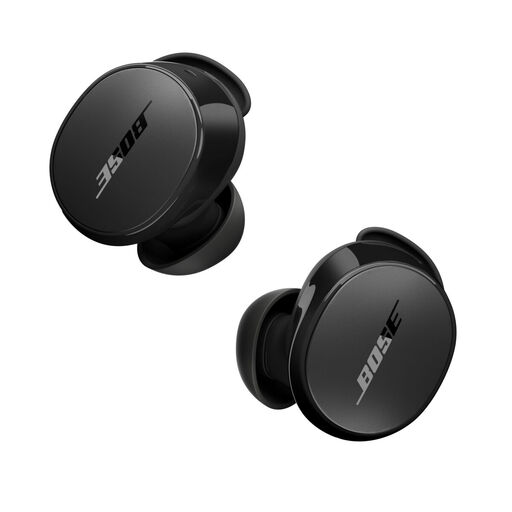 Image unavailable
Bose QuietComfort Earbuds – Black
A good fit if you want to switch between active noise cancelling and Aware mode for listening to your surroundings.
View at Joybuy
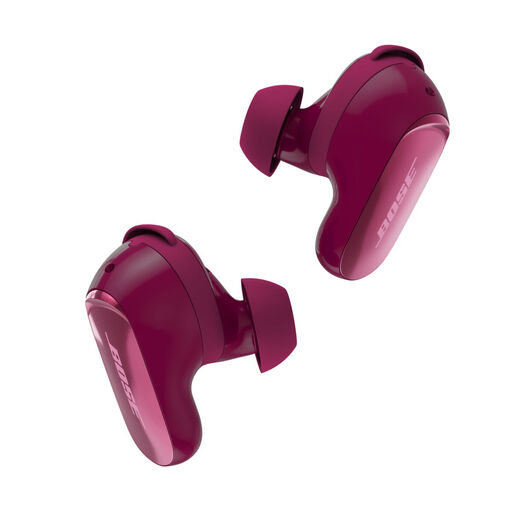 Image unavailable
Bose QuietComfort Ultra Earbuds (2nd Gen) – Deep Plum
A wireless option if you want to switch between noise cancelling and Aware mode; check which fit combinations are available with this version.
The stated playback time is up to 4 hours with Immersive Audio enabled.
View at Joybuy
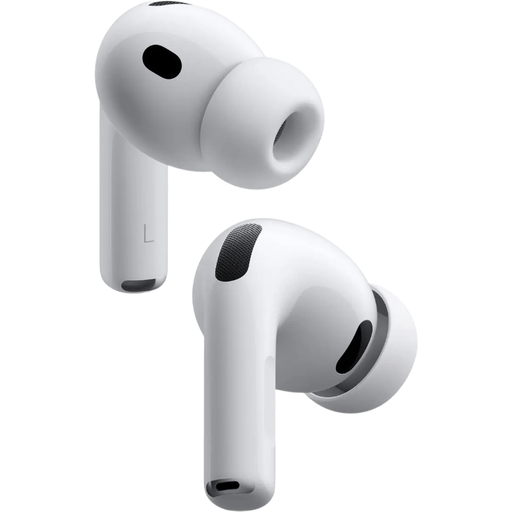 Image unavailable
Apple AirPods Pro 3
A wireless option if you want to switch between active noise cancelling and Transparency mode while listening.
View at Joybuy
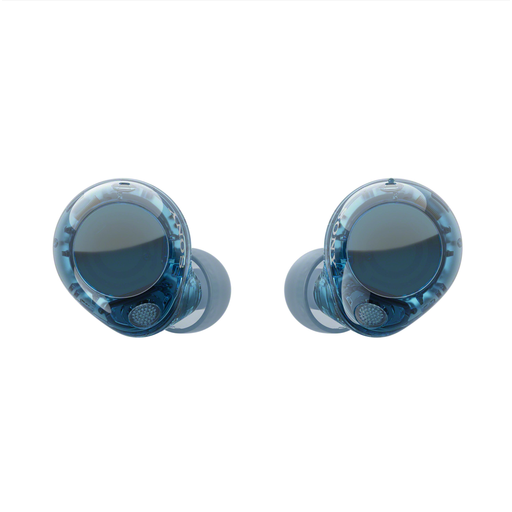 Image unavailable
Sony WF-C710N – Glass Blue
A wireless option with ANC and Ambient Sound. Sony says the transparency mode lets in sounds from your surroundings; this doesn’t guarantee that every announcement will be clear.
View at Joybuy
Frequently asked questions
How can I check that my eartips create a good seal?
Try the different sizes provided and follow the instructions for your earbuds. Shure recommends trying a different eartip for the SE215 if the seal isn’t good enough; the Shure manual says that fit affects the sound.
How should I care for my Shure SE215 after use?
Follow the Shure manual’s instructions for the eartips: remove them from the earbuds, rinse them gently with warm water and let them dry completely before using them again. When disconnecting the cable, pull on the connector, not the cable.
Will I need an adapter or replacement cable?
Only if your playback device doesn’t have a compatible output, or if you want to replace the cable later. Check your device’s connection and the connector type for the exact version: the SE215 and IE 200 use MMCX, while the ATH-E40 uses A2DC.
What can I do if a pair I bought online develops a fault in the Netherlands?
According to the Dutch government, you’re entitled to a product that works properly, and the retailer is your point of contact for a solution. There’s no single fixed statutory guarantee period that applies to every product; a manufacturer’s guarantee doesn’t replace your statutory rights.
Can I always try out a pair bought online for 14 days and send it back?
When you buy from a business at a distance, you’ll often have a 14-day cooling-off period, but there are exceptions. Before opening the product, check the seller’s information about seals and hygiene. European rules provide an exception for sealed goods that have been opened and can’t be returned for health or hygiene reasons; this doesn’t mean every pair of in-ears is automatically exempt.
Are in-ear monitors allowed on the train?
For travel with NS, the Dutch railway operator asks passengers to use earbuds or headphones so they don’t disturb others. Check your train operator’s rules for any additional conditions.


