Start with a comfortable fit that creates a good seal. It can help stop train noise from masking quiet passages, without you having to keep turning up the volume. Then choose what matters most to you: passive isolation, a sound profile the manufacturer describes as neutral or balanced, or comfort. Compare the same passage at a modest, consistent volume. Manufacturers’ figures for noise reduction and sound aren’t directly comparable measurements taken on a train in the Netherlands, and the connection must be compatible with your player.
Who is this relevant to?
Listening on a noisy train
You want to hear quiet orchestral passages without constantly turning up the volume, so you’re looking for a good seal and a comfortable fit. The World Health Organization recommends well-fitting or noise-cancelling earphones to help reduce the temptation to turn up the volume in noisy environments.
Comparing orchestral sound
You want to judge differences in tonal balance between recordings, so you’re looking for an IEM with a suitable tuning and a fit that stays consistent during repeated listening.
Regular traveller with a wired player
You want an IEM that stays comfortable during longer journeys and has a connection and any replaceable parts that suit the way you use it.
What should you look for when buying?
Start with whatever gets in the way of your listening on the train most: background noise, tonal balance, comfort or compatibility with your player.
| What to consider |
What should you check? |
Who is this important for? |
| Background noise |
Try different sizes of ear tips and assess the seal at a modest volume. Treat noise-reduction figures as specific to the model and fit. |
If I want to hear quiet passages without constantly turning up the volume, I start with the seal. Around 40% of consumers prioritise isolation. |
| Tonal balance |
Check how the exact model is described in terms of sound, then compare the same passage with the same fit at an equal, modest volume. |
When comparing recordings, I want to be able to judge differences in tonal balance. Around 30% of consumers give tonal balance top priority. |
| Fit on longer journeys |
Check the included sizes and materials, and follow the fitting instructions for your chosen model. |
For a longer journey, I want ear tips that stay comfortable and create a good seal. Around 20% of consumers put comfort first. |
| Connection and replaceable parts |
Check your player’s output, the plug and connector on the exact model, and whether suitable replacement parts are available. |
If I want to connect my own player and may need to replace the cable, I check the connections first. Around 10% of consumers make connectivity and maintenance their top priority. |
Common pitfalls
-
Assuming noise-reduction figures guarantee a certain result on the train
A stated maximum doesn’t automatically tell you how much train noise will be reduced in your ears. The seal and the type of noise both play a part.
Assess the fit and sound at a modest volume. Don’t compare manufacturers’ figures as if they came from the same real-world test.
-
Assuming a supposedly neutral tuning guarantees better comparisons
A sound description is no substitute for checking your own fit. An inconsistent seal can affect the bass in particular.
Compare the same passage using the same ear tips, fit and volume setting.
-
Forgetting to check your player’s connection
A wired IEM must be compatible with your player’s connection. A replaceable cable also won’t necessarily work with cables made for other models.
Before buying, check your player’s audio output and the connector on the exact IEM.
Depending on your equipment, you may need a suitable adapter. If you need a replacement cable, check the connection on the specific model.
Brands to consider
Etymotic
Etymotic describes the ER2SE as designed for a flat frequency response and passive isolation.
- Etymotic states that the ER2SE provides 35–42 dB of noise reduction.
- The actual seal and comfort depend on the fit. According to Etymotic, the ER2XR has more emphasis on bass, so it isn’t an identical sound option.
Sennheiser
In the Netherlands, Sennheiser presents the IE 200 as a wired in-ear with a balanced tuning.
- Sennheiser lists different ear tips, an MMCX cable and a 3.5 mm plug for the IE 200.
- Sennheiser states that no low-cost repair service is available for the IE 200 outside the warranty period. This is separate from your statutory rights with the seller.
Shure
Shure’s Dutch product information describes the SE215 as coming with a fit kit and detachable cable.
- Shure lists an MMCX connection, detachable cable and fit kit for the SE215.
- Shure claims deep bass and up to 37 dB of isolation. These are manufacturer claims, not proof that the SE215 sounds more neutral or blocks train noise better than another model.
Joybuy products
This selection includes wired and wireless in-ear earphones. Check that the connection and listening features suit your player and the way you want to compare orchestral recordings.
 No image available
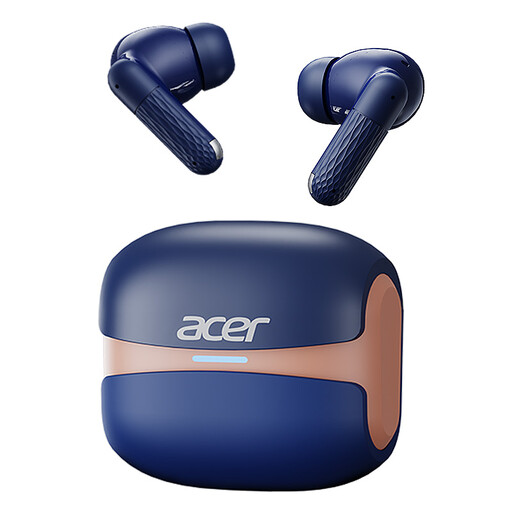
Acer OHR548 wireless in-ear earphones
A wireless option for listening on the move without a wired connection.
The product name specifies Bluetooth 5.4 and a Type-C charging case.
Joybuy
 No image available
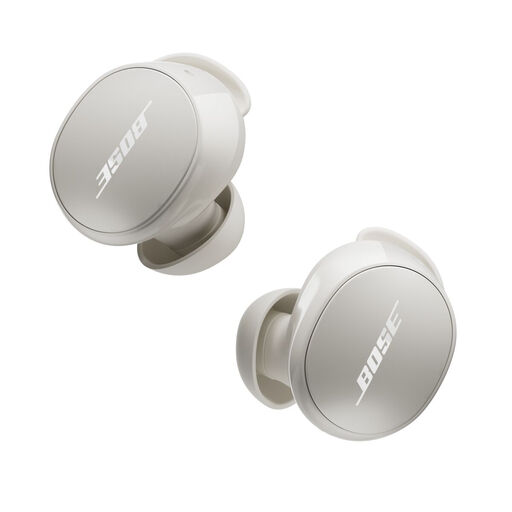
Bose QuietComfort Earbuds White Smoke
A wireless option to consider if you’re looking for a model with different listening modes.
The product description lists noise cancelling, an Aware mode, Bluetooth multipoint and up to 9 hours of battery life.
Joybuy
 No image available
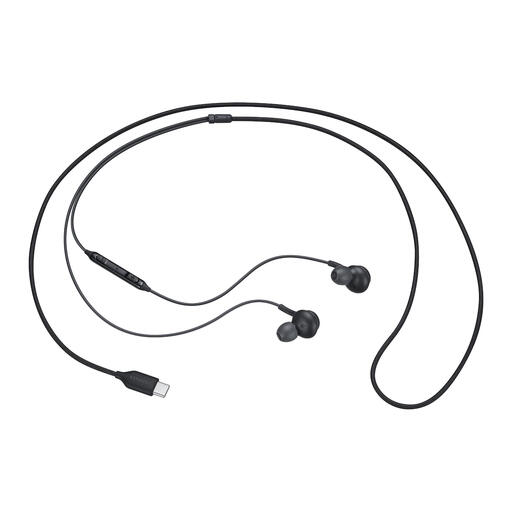
Samsung EO-IC100 wired in-ear earphones with USB Type-C
A wired option to consider if your player has a compatible USB-C audio connection.
The product description lists a USB-C connection, balanced sound and ear tips in different sizes.
Joybuy
 No image available
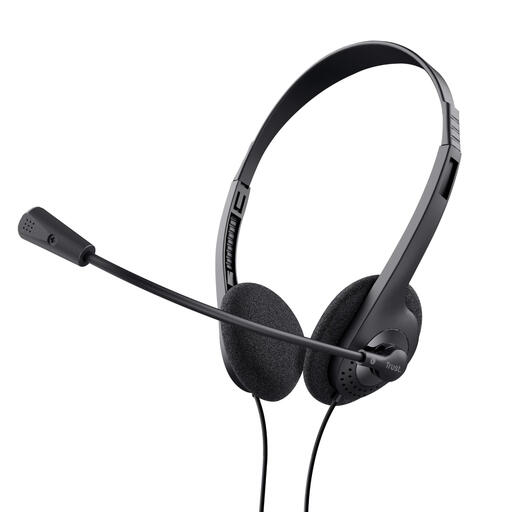
Trust 21665 wired in-ear headset, black
A wired option to consider if your player has a compatible 3.5 mm audio connection.
The product description lists stereo audio and an inline volume control.
Joybuy
 No image available
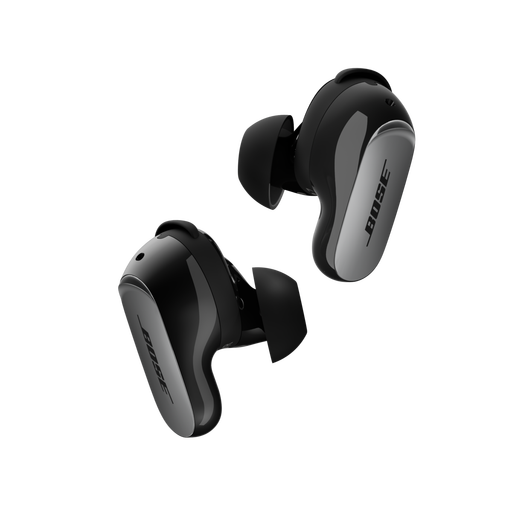
Bose QuietComfort Ultra Bluetooth Earbuds (2nd Gen), Black
A wireless option if you want to explore different listening modes and fit sizes.
The product description lists Bluetooth 5.3, a fit kit with three sizes of ear tips, active noise cancellation and an Aware mode.
Joybuy
Frequently asked questions
Should I turn up the volume on the train to hear quiet orchestral passages?
No. Check the seal first and keep the volume modest. The World Health Organization recommends well-fitting or noise-cancelling earphones to help reduce the temptation to turn up the volume in noisy environments. The WHO gives an average of 80 dB for up to 40 hours a week as an example of safe listening; this doesn’t guarantee a particular volume at a given volume setting.
How can I keep the fit and sound consistent?
Try a suitable size of ear tip and fit it according to the instructions for the exact model. Shure warns that, with the SE215, a poor seal can affect the bass and that an ear sleeve shouldn’t be pushed beyond the entrance to the ear canal.
What can I do if a cable or IEM breaks prematurely?
Check whether the cable for the exact model is replaceable and keep your proof of purchase. If a product is faulty, you can assert your statutory rights with the seller. According to the Dutch government, there is no fixed statutory warranty period in the Netherlands. Normal wear and tear or damage caused by you isn’t automatically covered.
Can I listen to music with an IEM on an NS train or in a quiet zone?
NS’s house rules don’t prohibit listening on an IEM, but they do ask you not to disturb other passengers with loud music and to keep completely quiet in the quiet zone. These are NS rules, not a general legal requirement or a rule for every train operator.


