Who is this choice relevant to?

Listener who struggles with quiet dialogue

You want to follow theatre dialogue without continually turning up the volume. Shure and Etymotic’s product information describes passive sound isolation, but the fit that works for you is what matters most.

Traveller with sensitive ears

You listen for long stretches and want tips and a way of wearing your in-ears that stay comfortable. A high noise-isolation rating isn’t the only thing to consider: Shure and Sennheiser describe different tip and wearing options.

User of seat-back entertainment

You want to listen through the onboard entertainment system, so you’ll need to match your in-ear connector to the seat’s socket. KLM recommends wired headphones in Economy, but check the connection on your flight.

What should you look for?

Deeper-fitting in-ears

Suitable if: cabin noise is your main concern and you find a deep fit comfortable. Etymotic quotes 35–42 dB of passive isolation for the ER2SE; this is a manufacturer’s figure, not a measure of how clearly you’ll hear dialogue during a flight.

Bear in mind: the seal depends on using the right tips and may make announcements harder to hear.

Wired in-ears with a choice of tips

Suitable if: you want to try different types of tips and a replaceable cable is important to you. The Shure SE215 comes with foam and flexible tips, and is rated for up to 37 dB of isolation.

Bear in mind: the quoted isolation figure doesn’t predict your listening experience; also watch out for the cable when you get up.

Compact in-ears with adjustable ear hooks

Suitable if: a compact design and adjustable fit are your priorities. Sennheiser describes the IE 200 as a wired model with adjustable ear hooks.

Bear in mind: Sennheiser doesn’t give a comparable cabin-noise isolation rating, so try the tips to see how well they fit.

What to consider What to look for Who is it for?
Following spoken dialogue Try the fit with spoken audio at a moderate volume; don’t compare manufacturers’ figures with personal measurements taken on a flight. If you want to follow quiet dialogue without continually turning up the volume, clear speech is your main concern. Around 33% of consumers prioritise following spoken dialogue.
Comfort throughout the flight Check which tip sizes and materials are available, and try wearing the in-ears for a longer period beforehand. If you listen for long stretches, you’ll want tips and a fit that stay comfortable. Around 27% of consumers put long-wearing comfort first.
Blocking cabin noise Check the fit with the right tips and remember that isolation ratings are manufacturers’ figures; follow the crew’s safety instructions. If background noise is the biggest distraction when you listen, you’ll mainly want to know how the seal feels to you. Around 20% of consumers choose blocking cabin noise as their top priority.
Connecting to your audio source Check the output on your phone or tablet, as well as the connection on your flight’s entertainment system. If you want to listen through your own device or the onboard screen, the connector needs to match your source. Around 20% of consumers give a compatible connection top priority.

Common buying mistakes

  • Assuming a noise-isolation rating guarantees clear dialogue

    Shure and Etymotic quote isolation ratings for their own models, but these don’t tell you how clearly you’ll hear theatre dialogue in the cabin.

    Try the fit with spoken audio at a moderate volume. Treat the manufacturer’s figure as a model specification, not a personal in-flight test.

  • Not checking the connection on your seat or device

    The wired models covered here have a 3.5 mm connection, but the sockets on devices and seats can vary.

    Check both connections before you travel, and only take an adapter if you need one for your set-up.

    Some set-ups may require a suitable adapter.

  • Prioritising maximum isolation over safety announcements

    The European Union Aviation Safety Agency warns that headphones and earphones may make announcements from the crew or pilots harder to hear.

    Follow the crew’s instructions and make sure you can hear safety announcements.

Brands to compare

Shure

The SE215 range available in the Netherlands is a wired option to compare if you’re looking for a choice of tips and a replaceable cable.

  • Shure Netherlands lists a 3.5 mm cable, foam and flexible tips, and up to 37 dB of isolation.
  • That maximum figure doesn’t predict how well the model will fit your ear or connect to your seat.

Etymotic

The ER2SE is a wired option to compare if you’re looking for strong passive isolation and the flat tuning described by Etymotic.

  • Etymotic quotes 35–42 dB of isolation and a user-replaceable cable.
  • The deep, close-fitting design needs to feel comfortable for you; the manufacturer’s figure doesn’t prove how clearly you’ll hear dialogue during a flight.

Sennheiser

The IE 200 is a compact, wired alternative with adjustable ear hooks.

  • Sennheiser specifies an MMCX cable with a 3.5 mm plug and a choice of ear-tip adapters.
  • Sennheiser describes the sound as balanced, but the product page doesn’t give a comparable cabin-noise isolation rating.

Joybuy products

This selection includes wired USB-C in-ears and wireless models to compare for listening on the go.
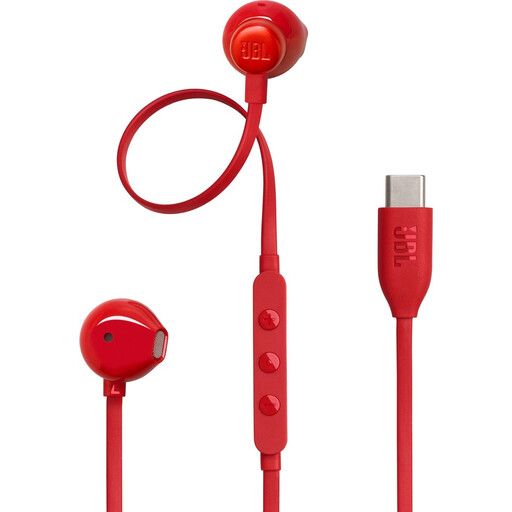
JBL Tune 305C wired USB-C earphones, red

JBL Tune 305C wired USB-C earphones, red

Worth comparing if you’re looking for wired USB-C earphones with a vocal EQ preset.

USB-C connection, built-in microphone and flat cable; the product description also mentions in-line controls.

Check that the audio output you’re using supports USB-C audio.

View at Joybuy
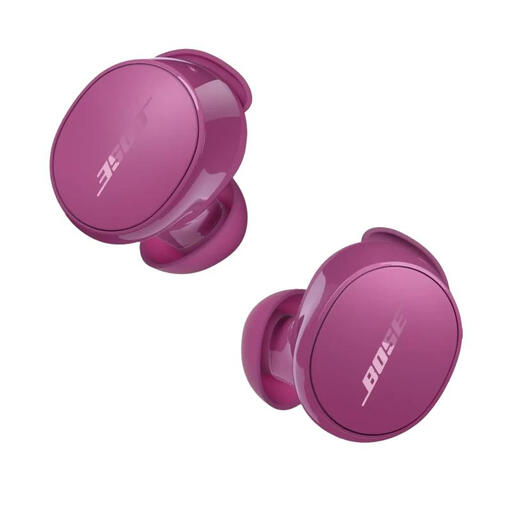
Bose QuietComfort Earbuds, Rosewood Mauve

Bose QuietComfort Earbuds, Rosewood Mauve

A wireless model to compare if you want to switch between noise-cancelling and aware listening modes.

The product description mentions Bluetooth multipoint and a wireless charging case.

Earbuds may make announcements harder to hear; follow the crew’s instructions.

View at Joybuy
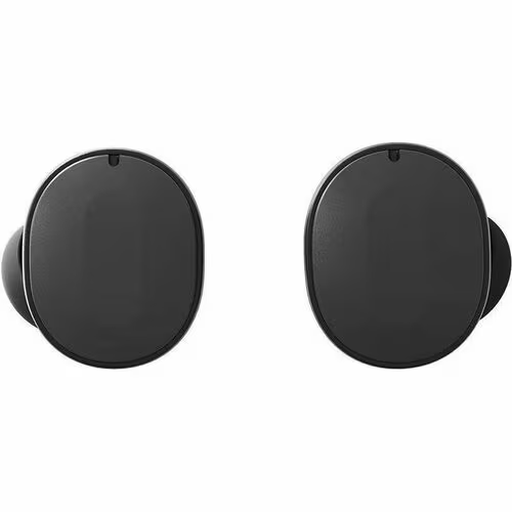
Fairphone Fairbuds, black

Fairphone Fairbuds, black

A true wireless model to compare if you want to listen wirelessly and are looking for noise cancellation.

The product description mentions hybrid ANC, Bluetooth, 11 mm drivers and replaceable parts.

Earbuds may make announcements harder to hear; follow the crew’s instructions.

View at Joybuy
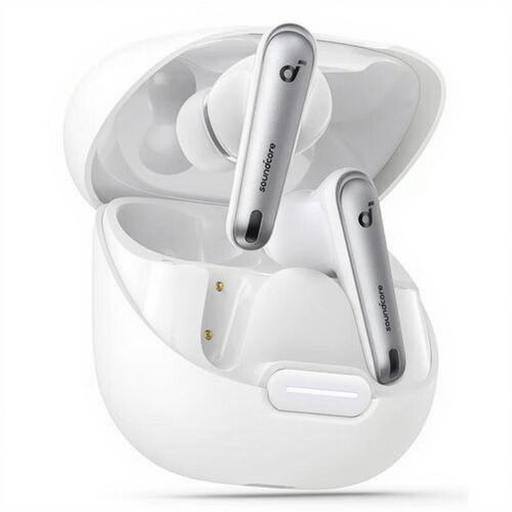
soundcore Liberty 4 NC, white

soundcore Liberty 4 NC, white

A wireless model to compare if you’re looking for noise cancellation and extra ear tips.

The product description mentions Bluetooth, touch controls and six microphones. The quoted playback time is up to 10 hours per charge.

Earbuds may make announcements harder to hear; follow the crew’s instructions.

View at Joybuy
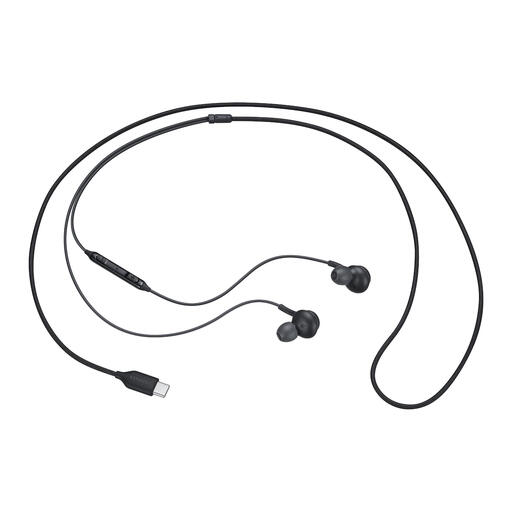
Samsung EO-IC100 wired USB-C in-ear headset, black

Samsung EO-IC100 wired USB-C in-ear headset, black

Worth comparing if you’re looking for wired in-ears with a choice of tip sizes.

USB-C connection, built-in DAC and 2-way speakers; the product description mentions several sizes of ear tips.

Check that the audio output you’re using supports USB-C audio. Earbuds may make announcements harder to hear; follow the crew’s instructions.

View at Joybuy

Frequently asked questions

Will wired in-ears automatically work with your aircraft’s entertainment system?

No. Check the seat’s connection on your flight. KLM recommends wired headphones in Economy; this doesn’t tell you which connection is available on every airline or seat.

How should you use and care for the tips on a long journey?

Try the available sizes before you travel and follow your model’s instructions for fitting and cleaning. The Shure SE215 comes with several sizes of foam and flexible tips; Etymotic lists replaceable filters for the ER series.

Should you turn up the volume to hear quiet dialogue over cabin noise?

First, try to get a good fit and keep the volume moderate. The World Health Organization stresses that both sound level and listening time matter, and gives 80 dB for up to 40 hours per week as an example of safe listening.

Can you wear in-ears throughout the entire flight?

The answer isn’t necessarily the same for every stage of every flight. The European Union Aviation Safety Agency warns that earphones may make safety announcements harder to hear. Follow the safety demonstration and the crew’s instructions; the airline decides when electronic devices may be used.

What costs and rights should you check when buying online in the Netherlands?

Before you buy, check whether you’ll need replacement tips or a cable, and read the seller’s terms and conditions. According to the Dutch government, distance purchases often come with a 14-day cooling-off period; check which terms apply to the specific item.
