
Listening next to a flatmate
You want to follow a story while there’s noise in the same room. A well-fitting tip that creates a good seal matters more to you than turning the volume up high.


First, choose in-ear monitors with tips that create a good seal and feel comfortable in the position you listen in. The Consumers’ Association (Consumentenbond) explains that in-ear headphones seal the ear canal; a well-fitting tip can help reduce background noise, but a manufacturer’s noise-isolation claim is not a measurement taken in your bedroom. Then compare how voices sound, check the connection to your device and whether parts can be replaced, and assess comfort when lying down for yourself.
You want to follow a story while there’s noise in the same room. A well-fitting tip that creates a good seal matters more to you than turning the volume up high.
You listen lying down and want to avoid uncomfortable pressure from the housing or tip. Assess the fit in your own listening position; a manufacturer’s comfort claim doesn’t necessarily tell you how it will feel to you.
You’re mainly interested in how the narrator sounds, and compare the tuning once the connection and fit are right.
Start with the fit and seal in your listening position. Then compare how voices sound and check that the cable and connection are compatible with your device.
| What to consider | What should you check? | Who is this important to? |
|---|---|---|
| Noise isolation in a shared room | Compare tip sizes and check that both ears have a comfortable seal. Treat any stated noise-isolation figure as a model-specific manufacturer claim, not a guarantee for your room. | If my flatmate’s noise drowns out my story, I want to check the fit and seal first. Around 33% of consumers put noise isolation at the top of their list when buying. |
| Comfort when lying down | Consider the shape of the housing, the tips and how the cable sits; assess the fit in the position you listen in. | If I listen lying down, I don’t want uncomfortable pressure from a tip or housing. Around 27% of consumers put comfort when lying down first. |
| How voices sound | If possible, compare the same spoken recording at a comfortable, low volume. Check the seal first, as the fit can affect how the sound comes across. | If I want to follow the narrator comfortably, I compare how voices sound to me. Around 27% of consumers give voice reproduction top priority. |
| Connection and replaceable parts | Check your device’s plug and output, the connector type on the earphones, and which replacement tips or cables fit the exact model. | If a suitable connection and replaceable parts matter to me, I check both ends of the cable. Around 13% of consumers put connectivity and maintenance at the top of their list when buying. |
Figures published by manufacturers for different models aren’t measurements taken under the same conditions in your bedroom. A poor seal can also feel and sound different.
Choose tips that fit well and assess the seal and comfort separately, including in the position you listen in.
The connectors on the earphones vary from model to model, so a cable may not be compatible even if it’s detachable.
Check the connection at both ends against the specifications for the exact model and your playback device.
The World Health Organization (WHO) says that safe listening time decreases as the sound level increases.
First try a better-fitting tip, and keep an eye on the volume and how long you listen for.
The SE215 is a wired in-ear monitor worth comparing if noise isolation, a choice of tips and a replaceable cable matter to you.
The ER2SE is a wired option to compare if passive isolation and the manufacturer’s description of its neutral tuning are important to you.
The IE 200 is a wired option to compare if you want to assess the manufacturer-described balanced sound and compact fit.
The CHU II offers another wired design to compare if tip sizes, connectivity and maintenance matter to you.
These Joybuy product picks are suited to listening to stories through in-ear earphones, and include both wired and wireless options.
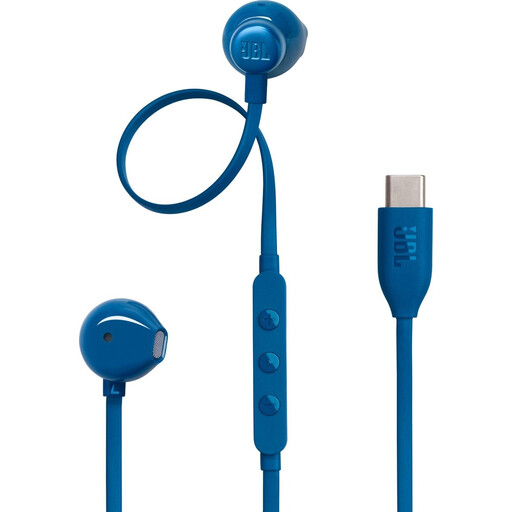 No image available
A wired USB-C option to consider if your device has a compatible USB-C connection; check compatibility first.
The product information also mentions a vocal EQ preset. See for yourself whether this setting suits the way you like to listen to spoken stories.
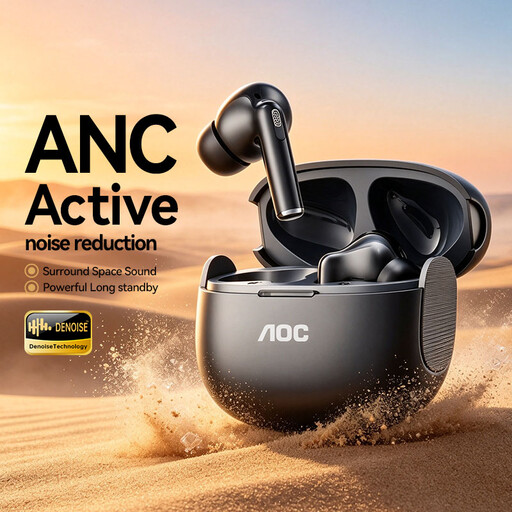 No image available
The product title describes wireless earbuds with ANC. That alone doesn’t tell you how much room noise you’ll hear in your situation; also consider the fit and controls for the way you plan to use them.
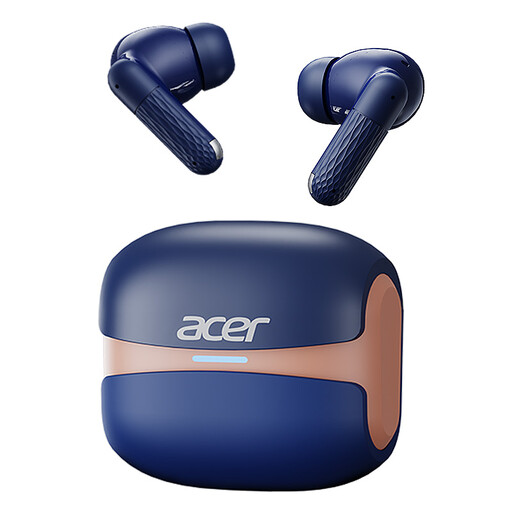 No image available
These wireless in-ear earphones are worth comparing if you’re looking for an option without a wired connection. Check whether the controls and fit work for listening in bed.
The product name specifies Bluetooth 5.4.
 No image available
The product title describes true wireless in-ear earphones with active noise cancellation. Check the fit and consider whether you want to remain aware of important sounds in the room while listening.
 No image available
This wired option is worth considering if you’re looking for a cable connection. Check that the connection works with your device, and assess for yourself whether the earphones feel comfortable in your listening position.
Try tips that create a good seal without causing pain or pressure, and keep the volume low. The World Health Organization (WHO) gives average exposure examples of a maximum of 80 dB for 40 hours a week, compared with four hours a week at 90 dB. These figures don’t correspond to a volume setting you can read on a phone without measuring it.
Follow Shure’s instructions: the tip should create a good seal, must not be pushed beyond the opening of the ear canal, and should cover the nozzle completely. When disconnecting the cable, hold the connector rather than pulling on the cable itself. Follow the instructions for other models.
Don’t force a fit that causes pain. Chelsea and Westminster Hospital NHS Foundation Trust advises contacting a doctor or ear specialist if you’re experiencing discomfort and are unsure about the condition of your ears. This is general health information, not a diagnosis.
According to the Dutch government, you’re entitled to a product that works as it should, but the Netherlands has no fixed statutory warranty period. If a product is faulty, contact the seller; a manufacturer’s warranty is separate.
No, “always” is too strong. For eligible online consumer purchases, you generally have 14 days from delivery to change your mind, but there are exceptions. In 2019, the Court of Justice of the European Union considered a limited exception for sealed goods that are unsuitable for return after the seal has been broken for health or hygiene reasons. That doesn’t automatically mean the exception applies to a particular product; read the applicable terms before breaking a seal.