Start by choosing ear tips that provide a comfortable seal and are compatible with your playback device’s connection. Then compare them using a familiar spoken recording at a controlled volume. A better passive seal can make coach noise less distracting, but it may also muffle announcements, and stated noise-reduction figures do not predict how easy your podcast will be to understand. The WHO recommends a good fit and a listening volume that means you do not have to keep turning it up to drown out background noise.
Who is this advice for?
Podcast listener on a noisy coach
If engine or passenger noise is drowning out the words, a good seal can help without you automatically having to turn up the volume. The WHO recommends well-fitting earphones to help limit the temptation to listen at a higher volume in noisy surroundings.
Listener on a long journey
If you listen for hours at a time, look for ear tips that feel comfortable and consider comparing different sizes and materials. A stated fit does not guarantee that an earphone will be comfortable for every ear.
Listener who wants to follow explanations closely
For spoken-word content, it makes sense to compare a familiar recording at a controlled volume. Also check that the connection is compatible with your device and whether you need to hear announcements during your journey.
What should you look for when choosing?
Check the connection and fit first, then consider how much sound isolation and awareness of your surroundings suit your journey.
| What to consider |
What should you check? |
Who is this important for? |
| Reducing coach noise |
Check which ear tips are included and compare them using a familiar spoken recording at a controlled volume. |
When engine or passenger noise drowns out my podcast, I want a comfortable seal without having to keep turning up the volume. Around 33% of consumers put reducing coach noise at the top of their list. |
| Comfort over long periods |
Compare the shape, sizes and materials of the ear tips; stop inserting them if they hurt. |
On a long journey, I want an ear tip that stays comfortable and does not create uncomfortable pressure. Around 27% of consumers give fit and comfort top priority. |
| Following spoken explanations |
Compare a familiar spoken recording at the same controlled volume; do not treat descriptions of sound as a podcast test. |
If I want to follow explanations and technical terms closely, I want to judge the speech itself rather than rely only on a description of the sound. Around 27% of consumers put speech clarity first. |
| Connection and awareness |
Check the plug on the exact model and whether you need to hear announcements during your journey. |
If my device needs a particular connection or I need to be able to notice travel information, I want to check this before buying. Around 13% of consumers put connection and awareness first. |
Common buying mistakes
-
Assuming a stated noise-reduction figure guarantees you will understand every word
The actual seal depends on factors including your ears and the ear tips you choose. A stronger seal can also make announcements harder to hear.
Compare a spoken recording at a controlled volume and consider which announcements you need to hear while travelling.
-
Choosing wired IEMs without checking the connection
A plug will not automatically fit every playback device. If the connection is incompatible, you may need a separate compatible adapter.
Check your device’s port and the plug on the exact model before ordering.
If your device does not have a compatible port, you will also need to check which compatible adapter you need.
-
Assuming a two-year manufacturer’s warranty is the full statutory guarantee
According to ACM ConsuWijzer, statutory consumer rights in the Netherlands depend on what you could reasonably expect from the product; there is no fixed two-year period that applies to all products.
Keep your proof of purchase and contact the retailer if a fault is not your responsibility.
Brands to compare
Shure
The SE215 is a wired IEM with a 3.5 mm cable, a detachable MMCX connection, and both foam and flexible ear tips included.
- Shure states that the SE215 offers up to 37 dB of noise reduction. The manufacturer notes that actual isolation depends on factors including ear shape, ear tip and fit.
- A seal that reduces coach noise can also make announcements harder to hear.
Etymotic
According to Etymotic, the wired ER2SE and ER2XR offer a choice of sound signature; both are worth comparing if you are looking for passive isolation.
- Etymotic states that the ER2SE offers 35–42 dB of noise reduction and has a replaceable cable. The manufacturer describes the difference between it and the ER2XR as a difference in bass tuning.
- The stated noise reduction is not a directly comparable measurement taken on a coach journey. Etymotic recommends adjusting the insertion angle or trying a different ear tip size if insertion hurts.
Sennheiser
The IE 200 is a wired IEM with a 3.5 mm plug, an MMCX cable, and silicone and foam ear tips in three sizes.
- The different ear tips give you a choice of fits. Sennheiser describes the sound as balanced.
- That description is not an independent test of speech intelligibility on a coach. Also check that the cable and plug suit how you plan to use it.
MOONDROP
According to the manufacturer, the Aria 2 is a wired IEM with a detachable 0.78 mm 2-pin cable and a 3.5 mm plug.
- The stated connection and replaceable cable are useful points to compare with other wired options.
- Check that the plug is compatible with your device; the connection alone does not tell you how much coach noise you will hear or how easy a podcast will be to understand.
final
The wired E3000 is worth comparing if you want to take the manufacturer’s description of its sound into account.
- final describes the E3000 as having a balanced tuning.
- The E3000 is the version without a microphone; do not confuse it with the separate E3000C model. The description of its sound is no proof of better podcast clarity.
Joybuy products
This Joybuy selection includes wired USB-C earphones and wireless earbuds. Some wireless models list a mode that lets you hear surrounding sounds; check each model’s connection and features to make sure they suit your journey.
 No image available
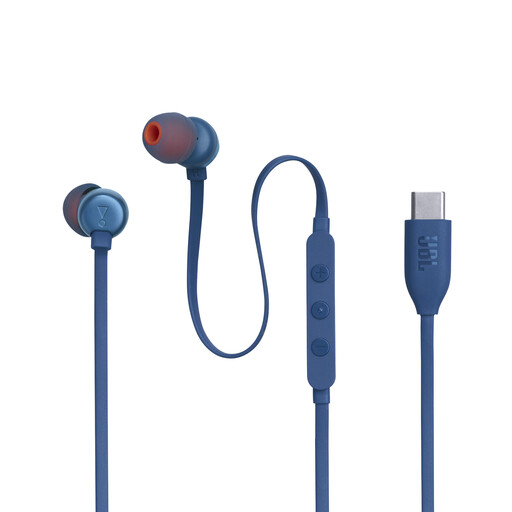
JBL Tune 310C wired in-ear earphones, blue
A wired option to consider if your device has USB-C and you want in-line controls while listening.
USB-C connection, three-button remote, flat cable, built-in microphone and ear tips in three sizes.
View at Joybuy
 No image available
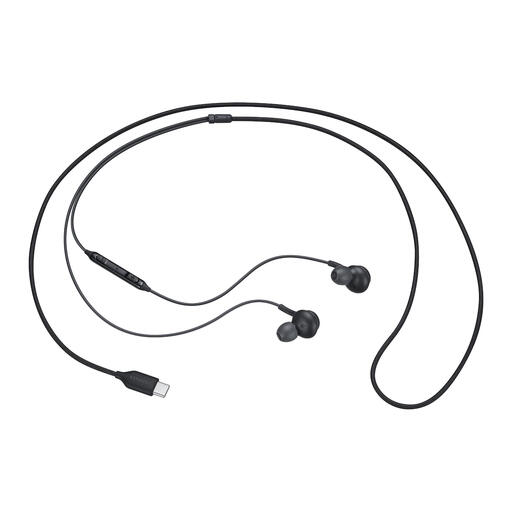
Samsung EO-IC100 wired in-ear headset, USB Type-C, black
This wired headset is worth considering if your device has a compatible USB Type-C connection.
The product information lists a built-in DAC, in-line controls and ear tips in several sizes.
View at Joybuy
 No image available
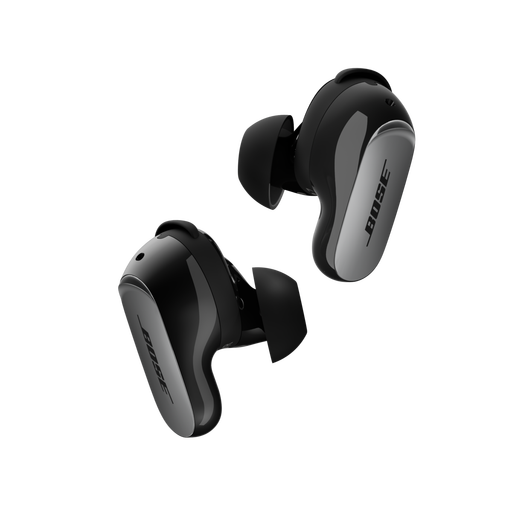
Bose QuietComfort Ultra Bluetooth Earbuds, 2nd Gen, black
A wireless option to consider if you want active noise cancellation and also value a mode that lets surrounding sounds through.
The product information lists Bluetooth 5.3, up to six hours of listening on a single charge, and a charging case that can be charged via USB-C or wirelessly. According to the product information, Aware Mode lets surrounding sounds through.
Do not use noise cancellation when it is essential to hear surrounding sounds; check which mode you are using.
View at Joybuy
 No image available
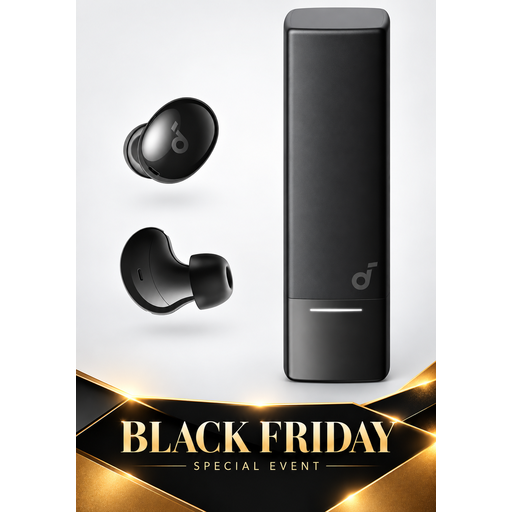
Soundcore A30i by Anker
A wireless option to compare if active noise cancellation suits your listening preferences.
The product information lists Bluetooth 5.4, multipoint connectivity and active noise cancellation.
View at Joybuy
 No image available
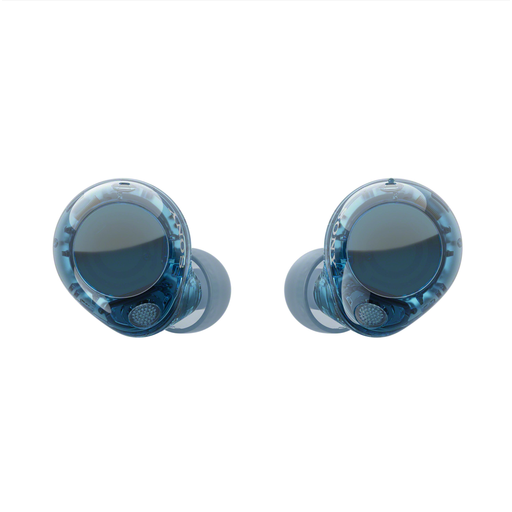
Sony WF-C710N wireless earbuds, Glass Blue
A wireless option to consider if you want to switch between noise cancelling and a mode that lets surrounding sounds through.
The product information lists multipoint connectivity and up to 30 hours of battery life with noise cancelling switched on. Ambient Sound Mode lets surrounding sounds through.
Do not use noise cancelling when you need to hear surrounding sounds; check which mode is available.
View at Joybuy
Frequently asked questions
Should you choose the highest noise-reduction rating for clearer podcasts?
No. A higher stated noise-reduction rating does not guarantee that a podcast will be easier for you to understand. Shure notes that actual isolation depends on factors including the ear tip, the shape of your ears and the fit. Compare a familiar spoken recording at a controlled volume and bear announcements in mind.
How should you fit and maintain the ear tips?
Follow the instructions for your exact model and try a different size if the fit is not right. The Shure manual warns against pushing the sleeve past the entrance to the ear canal. If insertion of the ER2SE hurts, Etymotic recommends adjusting the angle or trying a different ear tip size.
How can you keep the volume at a sensible level on a long journey?
The WHO recommends a good fit, breaks and a low listening volume, so that background noise does not keep prompting you to turn it up. The WHO gives an average of 80 dB for 40 hours per week as an example for adults; this is not a measurement of your phone and earphones combined.
What statutory consumer rights apply to a purchase in the Netherlands?
According to ACM ConsuWijzer, a product should do what you could reasonably expect of it when used normally; there is no fixed two-year statutory end date for all products. If a fault is not your responsibility, contact the retailer.
Can you always try out and return in-ear earphones bought online within 14 days?
No, do not assume you can try them out without limits. ACM ConsuWijzer says that online purchases generally come with a statutory 14-day cooling-off period from delivery. An exception may apply to sealed goods that are not suitable for return for health or hygiene reasons once the seal has been broken; whether this exception applies to a particular in-ear package depends on the packaging.


