First, choose ear tips and a housing that feel comfortable during your listening session and let you follow speech at a low volume. Then compare isolation, sound descriptions and connectivity: a tighter seal can reduce distractions, but may also create more pressure or block out sounds in the room. None of the models discussed has been proven comfortable for sleeping in.
Who are these earphones for?
Listeners who don’t want to disturb anyone
You’re listening in the same room as someone else and want to follow the documentary privately. The Dutch Consumers’ Association explains that in-ear earphones with silicone tips seal the ear canal; the World Health Organization stresses that both volume and listening time matter.
Listeners who spend a long time in bed
You listen in bed for extended periods and want to check first that the ear tips and housing don’t create uncomfortable pressure. Sennheiser describes the IE 100 PRO as slim, while Westone describes the Pro X10 as a low-profile model; these descriptions don’t tell you how comfortable either is against a pillow.
Fans of spoken-word stories
You mainly want to follow voices and details, so you compare the sound description as well as the fit. Etymotic describes the ER2SE as having a flat response; that’s the manufacturer’s description, not a listening test proving that everyone can understand speech better with it.
What should you look for when buying?
Start with a comfortable fit and a low listening volume, then compare isolation, sound descriptions and connectivity with your radio or phone.
| What to consider |
What should you look for? |
Who is it for? |
| Distractions from background noise |
Compare tip sizes and materials. Shure states a maximum of 37 dB for the SE215; Etymotic quotes 35–42 dB for the ER2SE. These are manufacturers’ claims, not measurements taken under the same conditions. |
If sounds in a shared room interrupt your documentary, you’ll want a seal that fits your ears. Around 31% of consumers put isolation first. |
| Comfort during long listening sessions |
Look at the housing shape and tip sizes. Sennheiser describes the IE 100 PRO as slim and Westone describes the Pro X10 as low-profile; try them yourself to see if they feel comfortable, including when you lie on your side. |
If you listen in bed for a long time while you’re awake, you’ll want to avoid pressure or irritation without assuming that a low-profile design is suitable for sleeping in. Around 25% of consumers put comfort first. |
| Reproduction of spoken content |
Compare sound descriptions for specific models, but don’t assume they identify a winner for speech. Etymotic describes the ER2SE as having a flat response; also check that the tips fit well. |
If you mainly want to follow voices and details in radio documentaries, you’ll want to assess the sound description and fit together. Around 25% of consumers put speech reproduction first. |
| Connectivity and maintenance |
Check your radio or phone’s audio output, the cable supplied and whether replacement parts are compatible with the model. You may need a separate adapter if the connections don’t match. |
If you want to connect a monitor to your own device and replace parts later, check the plug and the cable options for the specific model. Around 19% of consumers put compatibility and maintenance first. |
Common buying mistakes
-
Assuming an attenuation figure guarantees silence
Shure quotes up to 37 dB of attenuation for the SE215; Westone quotes an average of 25 dB for the Pro X10. The manufacturers use different descriptions, and the fit varies from listener to listener. So these figures can’t predict exactly how much sound you’ll hear in your bedroom.
Compare the fit and the tips supplied first. Treat stated attenuation as information about the model, not as a guaranteed result in your ear.
-
Confusing listening comfort with suitability for sleeping
A slim or low-profile housing doesn’t prove that a monitor will remain comfortable against a pillow or be suitable for falling asleep in.
Assess how comfortable it feels while you’re awake, stop if you experience irritation, and don’t choose a model based on an unproven promise about sleeping in it.
-
Buying a wired model without checking the output
A suitable plug on the monitor end doesn’t automatically mean that your radio or phone has the same audio output.
Before buying, check your device’s connection and the cable supplied with the exact version you’re choosing.
Brands to compare
Shure
The SE215 is a wired in-ear monitor worth considering if your choice of tips and a detachable cable are important to you.
- Shure lists a fit kit and a detachable MMCX cable for the SE215.
- The stated maximum attenuation isn’t guaranteed for every wearer and doesn’t tell you whether the monitor will feel comfortable against a pillow.
Sennheiser
The IE 100 PRO is a wired model to compare if you want to take the housing shape and supplied ear tips into account.
- Sennheiser describes the model as slim and lists silicone and foam tips among the items supplied.
- The manufacturer’s description isn’t an independent assessment of comfort in bed.
Etymotic
The ER2SE is worth considering if you want to compare a model described as having a flat response and passive isolation.
- Etymotic describes the ER2SE as having a flat response and quotes 35–42 dB of passive attenuation.
- The attenuation figure is a manufacturer’s claim; check that the ear tips fit comfortably for you.
Westone Audio
The Pro X10 is worth comparing if a low-profile housing is an important factor in your choice.
- Westone describes the Pro X10 as a low-profile model and quotes an average reduction of 25 dB in background noise.
- The manufacturer’s information doesn’t prove that it’s comfortable for sleeping in, and isn’t directly comparable with attenuation claims described differently.
Mackie
The wired MP-120 is a model to include in your comparison if you’d also like to consider an over-ear cable fit.
- Mackie describes the MP-120 as having a contoured housing and an over-ear fit.
- The manufacturer’s description isn’t an independent assessment of speech intelligibility or comfort in a bedroom.
Joybuy products for private listening
These Joybuy products are designed for private listening through earphones in a shared bedroom. Check whether each model’s connection, fit and sound features suit the way you plan to use it.
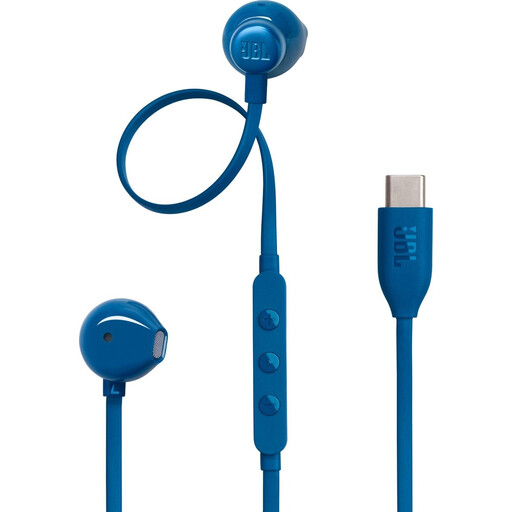 Image unavailable
JBL Tune 305C - Blue
A model to consider for private listening; before buying, check that the fit and connection suit your device.
View at Joybuy
 Image unavailable
AOC ACT2615 ANC earphones
An option to compare if you want to reduce background noise while listening privately.
The product information lists Bluetooth 6.0, ANC and a charging case with a digital display. ANC may also block out sounds in the room.
View at Joybuy
 Image unavailable
Acer OHR548 wireless in-ear earphones
A wireless option to consider for private listening; check for yourself whether the tips feel comfortable during longer sessions.
The product title lists Bluetooth 5.4.
View at Joybuy
 Image unavailable
Samsung Galaxy Buds4 Pro True Wireless, black
A True Wireless option to compare if you want to listen privately without a cable trailing across the bed.
The product information lists ANC and an adjustable equaliser. ANC may also block out sounds in the room.
View at Joybuy
 Image unavailable
Bose Noise Cancelling Wired Earbuds, black
A wired option to compare if you want to listen without recharging; check whether your device supports USB-C audio.
The product information lists different sizes of ear tips and stability wings. The noise cancelling may also block out sounds in the room.
View at Joybuy
Frequently asked questions
Can I listen through earphones while my flatmate is asleep?
Yes. Earphones let you listen without playing the documentary through a speaker. Choose tips that fit comfortably and keep the volume low; passive isolation doesn’t mean you’ll still hear every important sound in the room.
How can I listen cautiously, and when should I stop?
Keep the volume low and take regular breaks. The World Health Organization gives a maximum of 40 hours a week at an average sound level of 80 dB as an example, not as a guaranteed safe setting for a particular monitor. If you have persistent ringing in your ears or difficulty hearing, the organisation advises seeking professional help.
How do I maintain an in-ear monitor?
Follow the care instructions for your chosen model and keep the ear tips and earpieces clean. Only replace parts with items that fit the connection; Shure lists a detachable cable for the SE215, while Etymotic lists a replaceable cable for the ER2SE.
What if an in-ear monitor I bought online isn’t suitable or stops working?
According to the Dutch government, when you buy online from a business, you generally have a 14-day cancellation period, with some exceptions. Whether a particular opened in-ear monitor falls under an exception depends on the applicable terms and conditions. Faulty products are also covered by statutory guarantee rules; in the Netherlands, there is no fixed statutory guarantee period.


