
Listening in a noisy home
You want to follow the recital without constantly turning up the volume. The Consumers’ Association and the World Health Organization highlight the importance of a good fit for reducing the impact of background noise.


Start with ear tips that create a good seal and a sound profile you enjoy with a familiar piano recording. Wired monitors work without charging, while wireless earbuds with ANC can give you more freedom to move around. With either type, check that you can still hear your household and important alerts. Manufacturer figures for noise reduction can’t predict exactly how the fit and isolation will work for your ears.
You want to follow the recital without constantly turning up the volume. The Consumers’ Association and the World Health Organization highlight the importance of a good fit for reducing the impact of background noise.
You listen closely to the sound of a recital and would rather compare different sound profiles than assume that extra bass or a piano label will automatically suit your taste. Etymotic and beyerdynamic describe different sound profiles for their models.
You listen for longer stretches and want an ear tip that feels comfortable and creates a good seal. The Consumers’ Association notes that comfort can vary between wireless earbuds.
Start with the fit and the sound you’re looking for, then check the connection and how much background noise you still want to hear.
| What to consider | What to check | Who is this important to? |
|---|---|---|
| Blocking out household noise | Compare the sizes and materials of the included ear tips. Treat stated noise-reduction figures as manufacturer claims, not a prediction of how quiet it will be in your home. | If household noise drowns out the recording, I want to follow the music without automatically turning up the volume. Around 33% of consumers say reducing background noise is their top buying priority. |
| Sound profile | If possible, compare using the same familiar piano recording and check the sound profile of the exact model. | If I want to follow the nuances in a recital, I want to choose a sound that suits my preferences, not just a product label. Around 27% of consumers prioritise sound profile. |
| Comfort | Check which ear tip sizes and materials are included. Consider both the seal and comfort, and don’t force an ear tip that hurts. | For a long listening session, I want a good seal without the earbuds feeling uncomfortable. Comfort is the top priority for around 27% of consumers. |
| Connection and replacement parts | Check that the connection works with your player and that any replacement cables or ear tips are compatible with the exact model. | If I want to listen without charging or be able to replace a cable, I check the connection and compatible parts first. Around 13% of consumers prioritise connection and maintenance. |
A manufacturer’s figure doesn’t tell you how an ear tip will seal in your ears or what sounds you’ll still hear at home.
Check the included ear tips and consider both the seal and comfort. Don’t automatically turn up the recording if noise gets through.
The sound descriptions for the models reviewed come from their manufacturers and represent different sound profiles; they’re not an independent preference test for recital recordings.
If possible, compare the exact models using the same familiar piano recording.
A stage monitoring system may include a transmitter and receiver, whereas you may only need a suitable pair of earphones to play a recording.
First check how your phone or player sends audio to the earphones. Then compare standalone earbuds with systems that include extra components.
The ER2SE and ER2XR are wired options to compare: one has a sound profile described as flatter, while the other puts more emphasis on bass.
The wired SE215 is worth considering if you want to compare a model with a detachable cable and a selection of included ear tips.
The wired IE 100 PRO is worth considering if you want to compare a slim design with silicone or foam ear tips.
According to beyerdynamic, the DT 73 IE is designed for classical instruments and keyboards within its DT in-ear range.
This selection includes wired and wireless in-ear earphones to consider for listening to piano recitals. Before buying, check that the connection, fit and features suit your player and listening habits.
 No image available
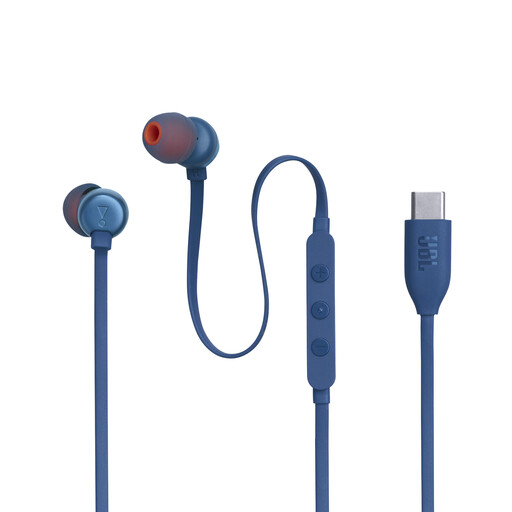
A wired option if you want to listen without charging and the connection is compatible with your player.
USB-C connection; check that your device supports USB-C audio. The product description lists three sizes of silicone ear tips, EQ presets including Vocal, and in-line controls.
 No image available
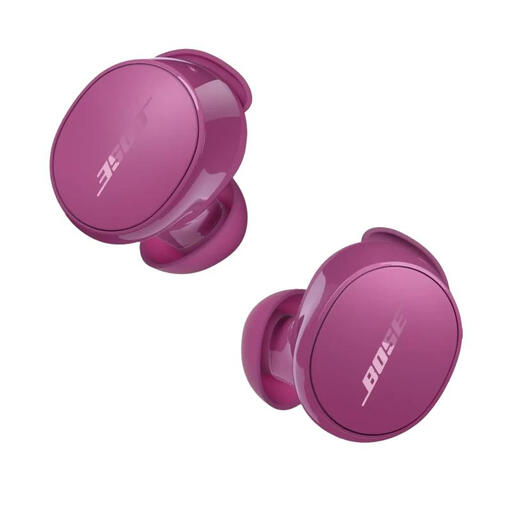
A wireless option if you want to switch on ANC and also have a mode that lets in background sounds.
The product description lists Quiet and Aware modes and up to 8.5 hours of playback per charge. This model has a battery and charging case; listening without charging isn’t the usage described.
 No image available
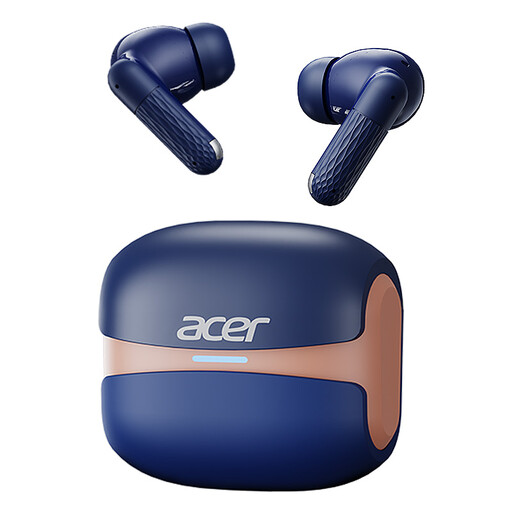
A wireless option to consider if you’re looking for an in-ear model with Bluetooth 5.4.
Check that your playback device can connect to this model and that wireless controls suit the way you listen.
 No image available
A wireless option if you want to combine ANC with an adjustable equaliser.
The product description lists a 9-band equaliser and up to 6 hours of playback with ANC switched on. This is a wireless model; check that the stated playback time and charging method suit your needs.
 No image available
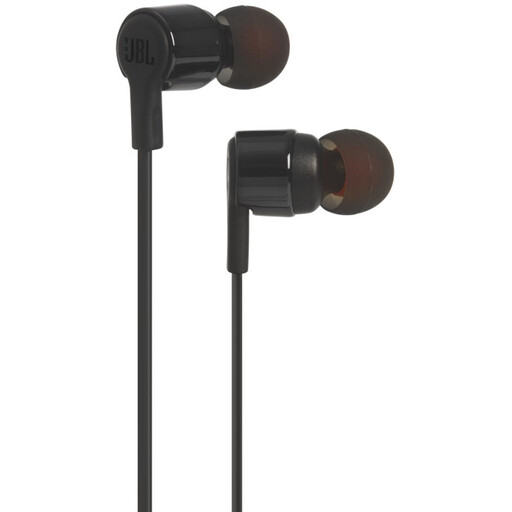
A wired option if your player has a compatible 3.5 mm connection and you don’t want to charge while listening.
The product description lists several sizes of ear tips and a built-in microphone. Check the connection on your playback device.
No. Etymotic states that the ER2SE and ER2XR offer 35–42 dB of passive noise reduction, but what you hear at home depends on factors including the seal. Compare the ear tips and don’t automatically turn up the recording.
Compare the available sizes and, where included, foam tips with silicone ones. A comfortable fit and a good seal need to go hand in hand; don’t force an ear tip that hurts.
Check whether a suitable replacement cable is available for the exact model. If a product develops a fault despite being used normally, you’re also covered by the legal guarantee in the Netherlands; ACM ConsuWijzer explains that the retailer must offer an appropriate solution, depending on the circumstances.
According to ACM ConsuWijzer, online purchases often come with a 14-day cooling-off period from delivery, but this doesn’t apply to every purchase. Before ordering, check the terms for the specific product and don’t assume you have an unlimited right to try it out extensively.
The World Health Organization recommends using well-fitting headphones or earphones and keeping the volume lower, rather than constantly turning it up to drown out background noise. The WHO gives 80 dB for 40 hours a week as a safe-listening reference for adults; this isn’t a measured volume level for your player.