Start by choosing a sound profile you enjoy with a familiar piano recording, then look for a comfortable fit and a good seal. A strong seal can help reduce distracting room noise, but it can also make it harder to hear your roommate, so agree on when you need to be contactable. Also check your player’s connection and which ear tips come with the version you’re considering.
Who is this buying guide for?
Piano listener who cares about sound
You compare the attack, midrange and bass using a familiar recital recording, rather than relying solely on a term such as ‘flat’. Etymotic describes the ER2SE as having a flat response; this is the manufacturer’s description, not an independent piano test.
Listener sharing a room
You want to reduce distracting room noise, but also need to consider when you should be able to hear your roommate. The World Health Organization points out that both listening volume and listening duration matter.
Listener enjoying long evening sessions
You want ear tips that stay comfortable throughout a recital, so compare their sizes and materials. Audio-Technica lists four sizes of silicone ear tips for the ATH-E40, while Sennheiser lists silicone and foam tips for the IE 100 PRO.
What should you look for?
First compare the sound using a familiar recording, then check whether the fit, seal and connection suit your bedroom and audio source.
| What to consider |
What should you check? |
Who is this important for? |
| Sound balance for piano |
Compare the same familiar recording and check the tuning of the exact model. Etymotic describes the ER2SE as flat and the ER2XR as having more bass; this is not a direct comparison using piano music. |
I want to hear whether the attack and bass suit my preferences, rather than relying only on terms such as ‘flat’. Sound balance is the top purchasing priority for around 31% of consumers. |
| Blocking out room noise |
Check which tips are included and whether they fit well. Etymotic quotes 35–42 dB of attenuation for the ER2SE, while Shure quotes up to 37 dB for the SE215; these are manufacturer figures, not measurements for an individual listener. |
If my roommate needs peace and quiet, I want to reduce distracting noise without turning up the volume, while also agreeing when I need to be contactable. Noise isolation is a top priority for around 25% of consumers. |
| Comfort during a recital |
Compare the included ear tip sizes and materials: Audio-Technica lists XS/S/M/L silicone tips for the ATH-E40, while Sennheiser lists silicone and foam tips for the IE 100 PRO. |
For a full listening session, I want tips that stay comfortable; the available sizes and materials help me compare models. Comfort is the top priority for around 25% of consumers. |
| Connection and maintenance |
Check your player’s output and the connector on the earphones. Audio-Technica lists an A2DC connector on the ATH-E40 and a 3.5mm plug at the player end. |
I want to know whether the earphones will connect to my player and whether I can replace parts when needed. Connection and maintenance are the top purchasing priority for around 19% of consumers. |
Things to watch out for when buying
-
More noise reduction doesn’t automatically mean a better choice
A manufacturer’s figure doesn’t tell you how an ear tip will seal in your ear. What’s more, a strong seal can make it harder to notice your roommate.
Check the fit and agree on when you need to be contactable. Don’t turn up the volume to drown out room noise: the World Health Organization identifies both listening volume and listening duration as factors in safe listening.
-
A detachable cable won’t necessarily fit every player
The ATH-E40 has an A2DC connector at the earphones and a 3.5mm connection at the player end. A replaceable cable won’t automatically solve a connection mismatch with your player.
Before buying, check both ends of the cable and the connection on your audio source.
A replacement cable or compatible adapter may need to be bought separately; check what you need for the version you’ve chosen.
-
The wired IE 100 PRO and IE 100 PRO Wireless are different versions
Sennheiser lists a Bluetooth module and a standard cable in the Wireless bundle. This version needs to be charged for wireless use.
Check the full model name and what’s included in the box before ordering.
Brands worth comparing
Etymotic
The ER2SE is a wired monitor worth comparing if you’re looking for a sound profile the manufacturer describes as flat.
- Etymotic quotes 35–42 dB of passive noise attenuation for the ER2SE and says it has a replaceable cable.
- The attenuation figure is from the manufacturer, not a measurement in your ear; according to Etymotic, the ER2XR has a bassier sound profile.
Audio-Technica
The ATH-E40 is a wired monitor worth comparing if your choice of ear tips and cable connection matter.
- Audio-Technica lists silicone tips in XS, S, M and L, as well as a detachable cable.
- The cable uses A2DC connectors at the earphones; check that the connection and 3.5mm plug are compatible with your audio source.
Shure
The SE215 is a wired monitor worth comparing if you want a low-profile fit, a choice of tips and a detachable cable.
- Shure lists foam and flexible tips, as well as a detachable cable with a 3.5mm plug.
- Shure quotes up to 37 dB of sound isolation; this doesn’t guarantee the same level of attenuation or fit for you.
Sennheiser
The IE 100 PRO is wired; the IE 100 PRO Wireless is a separate version for anyone who also wants Bluetooth.
- Sennheiser lists silicone and foam tips for the IE 100 PRO. For the Wireless bundle, the manufacturer lists both a Bluetooth module and a standard cable.
- The Wireless version needs to be charged for wireless use and isn’t the same bundle as the wired IE 100 PRO.
In-ear earphones at Joybuy
This selection includes wired and wireless in-ear earphones for listening to music. Check each model’s connection and listed features to see whether it suits your audio source and listening preferences.
 No image available
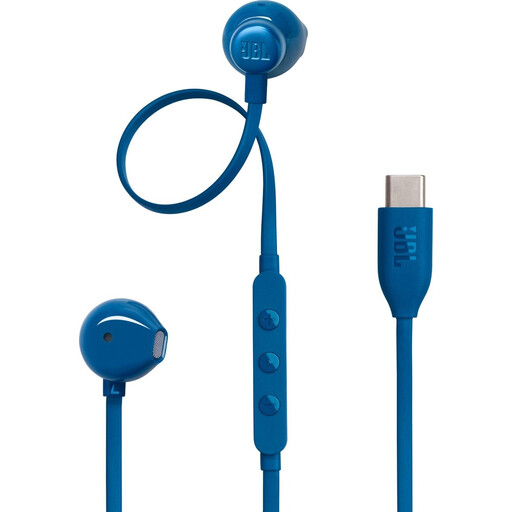
JBL Tune 305C - Blue
A wired option if you’d like to switch between the listed EQ settings while listening.
The product description lists 12.5mm dynamic drivers, a built-in microphone and EQ presets for standard, bass and voice.
View at Joybuy
 No image available
AOC ACT2615 ANC wireless earbuds
A wireless option if you’d like to control the listed features using the earbuds while listening.
The product information lists Bluetooth 6.0, touch controls and active noise cancellation (ANC). Check which features work with your audio source.
View at Joybuy
 No image available
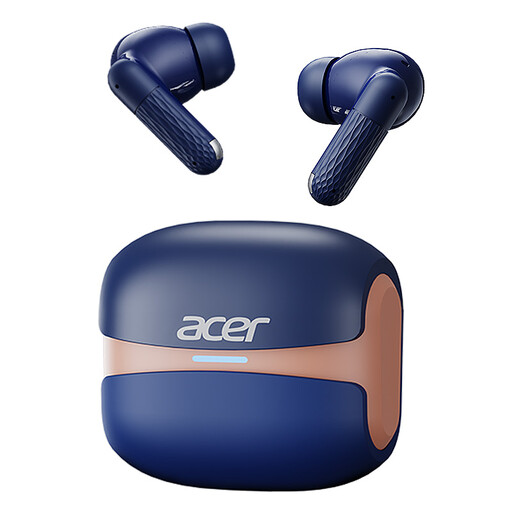
Acer OHR548 wireless in-ear earphones
A wireless in-ear option if you want to listen without a cable.
The product name lists Bluetooth 5.4 and a Type-C charging case.
View at Joybuy
 No image available
Samsung Galaxy Buds4 Pro True Wireless, black
A true wireless in-ear option if you’d like to adjust the listed equaliser function.
The product description lists an adjustable equaliser, active noise cancellation, Bluetooth 6.1 and a 2-way speaker system.
View at Joybuy
 No image available
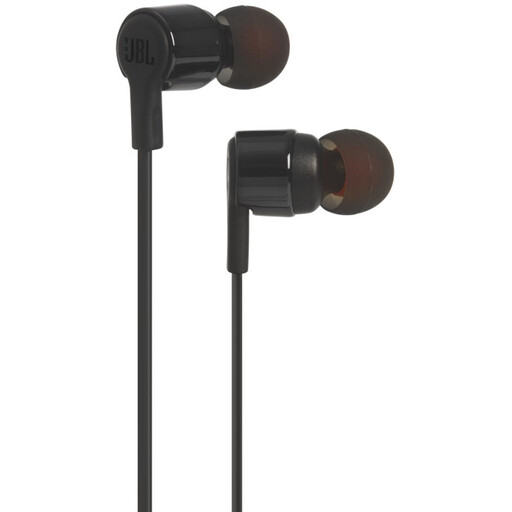
JBL Tune 210 wired in-ear earphones, 3.5mm
A wired option if your audio source has a compatible 3.5mm connection.
The product name lists a 3.5mm connection and microphone. The product description mentions several sizes of ear tips.
View at Joybuy
Frequently asked questions
Will the quoted noise attenuation in dB be the same in my bedroom?
No. A manufacturer’s figure doesn’t measure how well the earphones seal in your ear. Etymotic quotes 35–42 dB for the ER2SE and Shure up to 37 dB for the SE215; the fit and your choice of ear tips also affect the seal you get.
How should I maintain my earphones if the sound becomes muffled?
First check whether the ear tip or sound opening is dirty, and follow the instructions for your chosen model. Shure advises keeping the opening facing down when cleaning its earphones, and not pushing the cleaning tool further into the filter.
What costs and rights should I consider if a cable breaks or the fit isn’t right?
Check in advance whether replacement cables and ear tips made for your model are available and how much they cost. ACM ConsuWijzer states that online purchases generally come with a 14-day cooling-off period after delivery; check the terms for the specific product. If a product is faulty, your statutory guarantee applies in addition to any manufacturer’s warranty, and you can contact the seller.
Can I use WHO guidance to work out a safe volume setting?
No. Without a reliable level measurement, the volume setting or percentage on your player doesn’t tell you how much sound reaches your ears. The World Health Organization stresses that both listening volume and listening duration matter, and gives 80 dB for up to 40 hours a week as an example.


