What should you look for when choosing?
Start with the sound signature you want and a tip that seals well. Then weigh up comfort and how much of your surroundings you need to hear.
Flat sound signature with passive isolation
Choose this if: you want to assess differences in tonal balance and the tips fit comfortably and seal well; Etymotic describes the ER2SE as having a flat sound signature.
Bear in mind: Etymotic specifies 35–42 dB of passive attenuation for the ER2SE, but the seal and comfort will vary from one person to another.
A choice of tip materials
Choose this if: you want to try both silicone and foam tips with the Sennheiser IE 200.
Bear in mind: check that any replacement cable is compatible with the recessed connection on the IE series.
Interchangeable tips and cable
Choose this if: you want to try different sleeves with the Shure SE215 and be able to replace a damaged cable.
Bear in mind: Shure’s claim of up to 37 dB of isolation is not an independent measurement taken at a campsite; Shure also says that fit affects bass response.
| What to consider |
What to check before buying |
Who it matters most to |
| Tonal balance |
Check the sound signature of the exact model and compare the same passage at the same volume. |
If I want to assess differences between orchestral recordings, I look for a suitable sound signature and seal. Around 33% of consumers put tonal balance first. |
| Blocking out campsite noise |
Check the stated attenuation as a model specification and make sure the tips seal in your ears. |
If I want to hear less campsite noise without turning up the volume, a good seal matters a lot. Around 27% of consumers prioritise reducing background noise. |
| Fit for longer sessions |
Check which tip sizes and materials come with the exact version, and follow the fitting instructions. |
For longer listening sessions, I want tips that are comfortable and seal well. Around 20% of consumers put wearing comfort first. |
| Connection and maintenance |
Check your player’s connection and whether a replacement cable fits the connector on the exact model. |
If I want to keep using the same listening setup, I look at the connections and replaceable parts. Around 20% of consumers prioritise connection and maintenance. |
Brands to consider
These brands offer examples of different wired IEM designs. The features listed apply to the models described, not necessarily to the entire brand.
Etymotic
The ER2SE and ER2XR are wired options with different sound signatures: Etymotic describes the ER2SE as flat and the ER2XR as having fuller bass.
- Etymotic specifies 35–42 dB of passive attenuation for the ER2SE and says it has a replaceable cable.
- The actual seal and comfort depend on how the earphones fit the wearer.
Shure
The SE215 is an option if interchangeable sleeves and a detachable cable matter to you.
- Shure explains how to change the sleeves and replace the cable if it’s damaged.
- Shure’s claim of up to 37 dB of isolation is not an independent measurement taken at a campsite; the manual says the seal affects bass response.
Sennheiser
The IE 200 is a wired IEM supplied with a choice of silicone and foam tips.
- Sennheiser specifies an MMCX cable and a 3.5mm plug.
- The connection is recessed, so check that any replacement cable is compatible with the IE series.
Moondrop
The Aria 2 is a wired option with a 0.78mm 2-pin connection.
- Moondrop specifies a 3.5mm plug, a replaceable 2-pin cable and supplied tips.
- Stated frequency limits don’t, by themselves, prove that a model reproduces orchestral music better.
Truthear
The HEXA is a hybrid IEM that you can compare with models that use a single dynamic driver.
- Truthear describes the HEXA as combining one dynamic driver with three balanced armature drivers.
- The driver design doesn’t prove that the model will sound better to every listener; Truthear also notes that tips affect the sound.
Joybuy product picks for this listening question
The picks below include wired and wireless earphones with different connections and features. Check that the connection suits your playback device, and keep the settings the same when comparing recordings.
 No image available
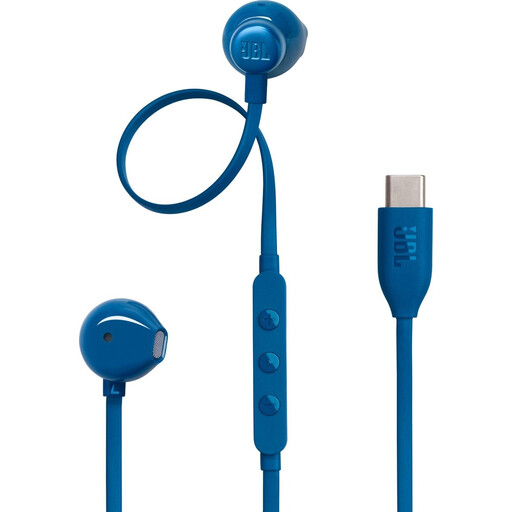
JBL Tune 305C - blue
For shoppers looking for wired earphones with sound settings; the product description lists three EQ presets: standard, bass and voice.
The description also mentions an in-line remote and a flat cable. The connection is USB-C, so check that it’s compatible with your playback device.
View at Joybuy
 No image available
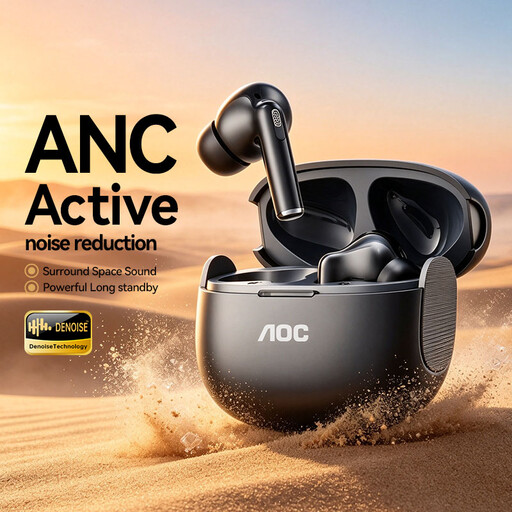
AOC ACT2615 ANC
A wireless option for shoppers looking for earphones with ANC; the product name specifies noise cancellation.
The product description mentions touch controls and a charging case with a digital battery display. Check that wireless listening suits your playback device and comparison setup.
View at Joybuy
 No image available
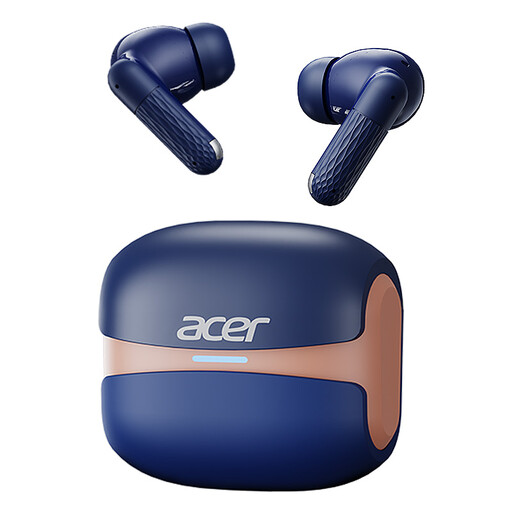
Acer OHR548
For shoppers considering wireless in-ear earphones; the product name specifies Bluetooth 5.4.
The description mentions touch controls and a Type-C charging case. Check that the wireless connection suits your listening source.
View at Joybuy
 No image available
Samsung Galaxy Buds4 Pro - black
For shoppers who want to adjust their sound settings; the product description lists an adjustable 9-band equaliser.
The product name specifies ANC and true wireless. For a fair comparison of recordings, keep the equaliser setting the same.
View at Joybuy
 No image available
Bose wired noise-cancelling earphones - black
For shoppers who want wired earphones and would like to try different tips; the description mentions several tip sizes and stability wings.
The product name specifies noise cancellation. The connection is USB-C, so check that it’s compatible with your playback device.
View at Joybuy
Frequently asked questions
How can I make a comparison between two orchestral recordings fairer?
Use the same earphones, tips, seal and volume setting for both passages. Shure warns that a poor seal changes bass response, so don’t compare with a loose-fitting tip.
How should I fit and maintain in-ear monitors?
Follow the instructions for the exact model. For the SE215, Shure recommends using a sleeve that seals well, not pushing the earphones past the opening of the ear canal, and pulling the connector straight out when replacing the cable rather than pulling on the cable itself.
Can I compensate for campsite noise by listening at a higher volume?
Turning the volume up isn’t an obvious solution. The World Health Organization links the risk to hearing to both sound level and listening time, and recommends well-fitting earphones to reduce the need to listen at higher volumes in noisy environments. The organisation gives 80 dB for up to 40 hours a week as an example, not as a guaranteed setting for your volume control.
What can I do if the cable breaks or the IEM doesn’t meet reasonable expectations?
First, check whether a replacement cable is available that fits your model; detachable connectors aren’t universal. If a product breaks sooner than you could reasonably expect during normal use, the Dutch statutory warranty may apply. ACM ConsuWijzer says the seller must put things right free of charge, for example by repairing or replacing the product, or refunding you.
Can I always return in-ear monitors bought online after trying them on?
No, not necessarily. ACM ConsuWijzer says that you generally have a statutory 14-day cooling-off period after delivery of a product bought online, but there is also an exception for hygiene products removed from their packaging. It hasn’t been established whether that exception applies to a specific order, so read the information for your order before opening the packaging.


