
Travellers looking to block out engine noise
You want a good seal so that quiet music remains audible without having to keep turning up the volume. The WHO warns that listening at a higher volume for longer increases the risk of hearing damage.


Start with in-ear monitors that feel comfortable and create a good seal. Then compare your own orchestral recordings to decide which bass tuning you prefer. Wired models avoid having a battery in the earbuds, but you’ll need a compatible connection. Wireless in-ear monitors with ANC offer another option; on board, you must follow your airline’s rules and the crew’s instructions.
You want a good seal so that quiet music remains audible without having to keep turning up the volume. The WHO warns that listening at a higher volume for longer increases the risk of hearing damage.
You compare familiar recordings and want to choose between a flatter or fuller bass sound. Etymotic describes the ER2SE as flatter and the ER2XR as richer in bass; Sennheiser describes the sound of the IE 200 as balanced.
You want to try different tips and housings because lasting comfort matters more to you than a specification on paper. Shure and Sennheiser list several tip materials and sizes for the models mentioned.
| What to consider | What to look for when buying | Who should prioritise this? |
|---|---|---|
| Seal against cabin noise | Try different tip sizes and materials. Treat attenuation figures as manufacturer claims, not as guaranteed attenuation in your ears. | If I want quiet passages to remain audible without turning up the volume, I prioritise fit and seal. Around 33% of consumers put a seal against cabin noise first. |
| Tonal balance for orchestral music | Compare familiar recordings at a comfortable volume and decide for yourself whether you want a more neutral or fuller bass tuning. | If I care about the balance between instrument groups, I compare the sound using music I know well. Around 27% of consumers give tonal balance top priority. |
| Comfort throughout the flight | Try the supplied tip sizes and materials, and pay attention to any pressure during longer listening sessions. | When I listen for a long time, I want a comfortable fit that stays that way and is easy to adjust if needed. Around 27% of consumers choose wearing comfort as their main consideration. |
| Connection and use on board | Check that the connection is compatible with your phone, player or seat-back entertainment system. If using wireless earbuds, follow the airline’s rules and the crew’s instructions. | If I want to listen on the go without connection issues, I check the connection and permitted use in advance. Around 13% of consumers prioritise connection and ease of use. |
The stated attenuation for specific models is a manufacturer’s figure. The actual seal also depends on the tip and how it fits your ears.
Try the tips before you travel, and don’t compare attenuation claims as if they came from a single, standardised real-world test.
According to the WHO, the risk of hearing damage increases when you listen for longer at a higher volume.
Check the fit first, keep the volume moderate and take listening breaks.
The wired models mentioned have different cable connections. A plug won’t necessarily fit every audio source.
Before buying, check the output on your own device and, if you plan to use it, the connection for the seat-back entertainment system.
The wired ER2SE and ER2XR are worth considering if passive isolation and a choice of bass tuning are priorities.
The wired SE215 is worth considering if you want to try different types of tips and an interchangeable cable matters to you.
The wired IE 200 is a compact option to compare if you’re looking for a sound that the manufacturer describes as balanced.
The FD3 is an option to compare if adjustable sound matters more to you than a specific isolation rating.
This selection includes wired in-ear monitors with USB-C or 3.5 mm connections, plus a wireless option with ANC. Check that the connection is compatible with your audio source and follow the crew’s instructions on board.
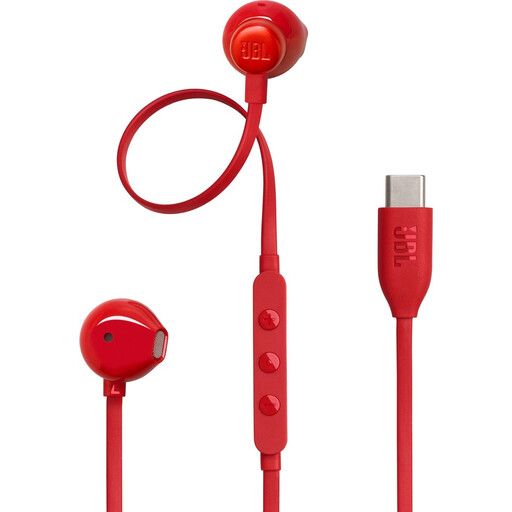 No image available
A wired option to compare if your audio source supports USB-C audio.
The description lists three EQ presets and three sizes of ear tips.
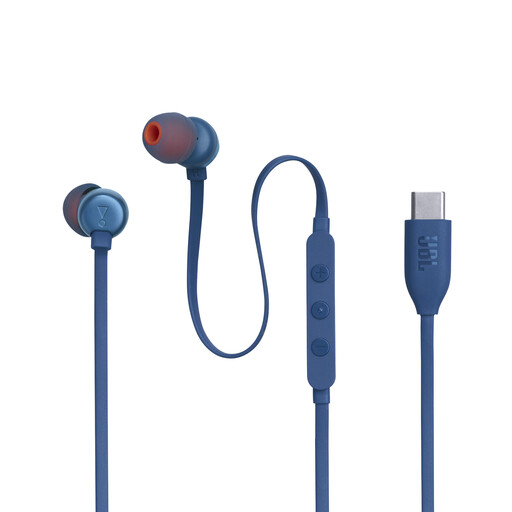 No image available
A wired option to compare if your audio source supports USB-C audio.
The description lists EQ presets and three sizes of ear tips.
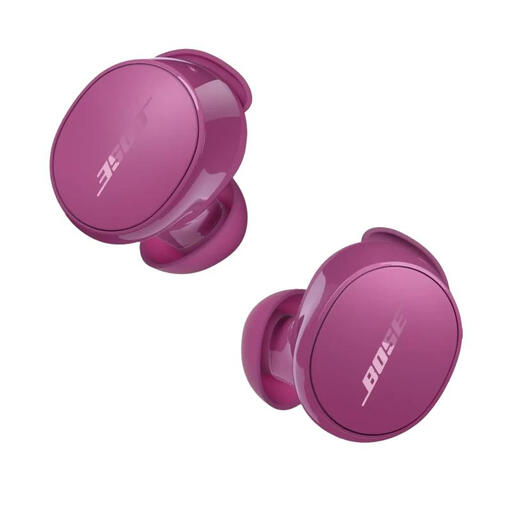 No image available
A wireless option to compare if you want ANC and an aware mode for hearing your surroundings.
The product description lists Bluetooth multipoint and battery life of up to 8.5 hours.
Use on board depends on the airline’s policy and the crew’s instructions.
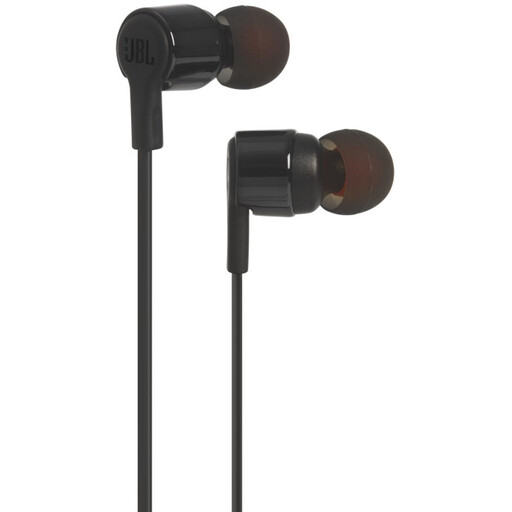 No image available
A wired option to compare if your audio source has a compatible 3.5 mm connection.
The description lists a microphone and several sizes of ear tips.
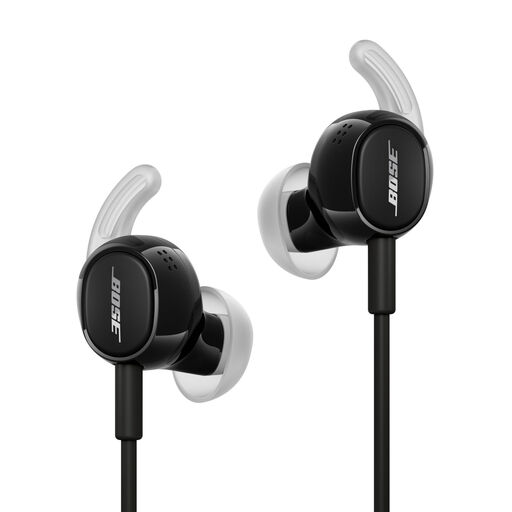 No image available
A wired option to compare if your audio source supports USB-C audio.
The description lists an in-line remote and microphone, several sizes of ear tips and stability wings.
Start with well-fitting tips and keep the volume moderate, rather than continually turning it up to hear quiet passages over the cabin noise. The WHO gives an average of 80 dB for up to 40 hours a week as an example of safe listening exposure; the volume setting alone doesn’t tell you exactly how much sound reaches your ears.
Check the tips regularly for dirt and follow the cleaning instructions for your chosen model. Shure explains how to remove and care for the SE215 tips; handle a detachable cable carefully and check that the tips are secure before you set off.
That depends on the connection on your audio source. The IE 200 and Shure SE215 are described as having a 3.5 mm cable; check whether your device has this type of output and which adapter or cable solution will work with a different connection.
Not automatically: according to EASA, the airline decides which portable devices may be used during each phase of a flight. Always follow the crew’s instructions.
ACM ConsuWijzer states that online purchases come with a statutory cooling-off period of up to 14 days after delivery, but there are exceptions. Check the seller’s information and whether an exception applies to the specific in-ear monitors, for example if the product is sealed.