Who are these in-ear monitors for?

Home mixer dealing with background noise

You want to hear changes to your mix while other sounds are going on at home, without drowning them out by turning up the playback volume. Shure explains how a good seal affects fit and sound quality; the World Health Organization highlights the importance of volume and listening time.

Mixer comparing tonal differences

You’re focused on how an EQ or balance adjustment changes the sound, and want to get to know the character of your in-ear monitors. Etymotic and Shure’s product descriptions highlight different tonal qualities; for critical mix checks, it’s useful to listen on another monitoring system you know and trust as well.

Long-session in-ear user

You switch between sessions and care about finding the right tips, a comfortable fit and a replaceable cable. Shure’s manual and Audio-Technica’s product information describe tip and connection options you can compare.

What should you look for when choosing?

Etymotic ER2SE

A good fit if You’re looking for a reference-focused sound to compare subtle changes.

Keep in mind Etymotic quotes 35–42 dB of passive noise isolation and a flat response; the actual seal and comfort depend on how they fit your ears.

Shure SE215

A good fit if Replaceable tips and a detachable cable are important to you.

Keep in mind Shure describes the sound as bass-rich, so don’t assume it will provide a neutral bass reference.

Audio-Technica ATH-E40 or Sennheiser IE 100 PRO

A good fit if You want to factor the shape of the earpieces and the available tips into your choice.

Keep in mind The ATH-E40 uses A2DC connectors; Sennheiser quotes less than 26 dB of noise attenuation for the IE 100 PRO. Also check which version and bundle you’re choosing for the IE 100 PRO.

What to consider What should you check? Who is this important for?
Seal Check that the supplied tips seal well in both ears without causing pain; don’t treat attenuation figures as personal measurements. If I want to block out noise at home without turning up the volume, finding a good seal is my priority. Around 36% of consumers put this concern first.
Tonal balance Read the sound description for the exact model and compare familiar reference tracks with a consistent fit. When I’m assessing EQ or balance changes, I want to know which tonal qualities my in-ear monitors have. Around 29% of consumers prioritise tonal balance.
Fit during longer sessions Compare the shape of the housing, the tip material and the available tip sizes; don’t wear tips that cause pain. For me, it’s important that my in-ear monitors stay comfortable during a longer session. Around 21% of consumers prioritise comfort.
Connection and replacement Check that the plug is compatible with your equipment and that any replacement cable uses the same connector. If I want to be able to replace cables, I want to know in advance which connector my model uses. Around 14% of consumers start by considering the connection and replaceability.

How to avoid common buying mistakes

  • Assuming the highest attenuation figure guarantees isolation

    A poor seal can let sound in and affect how you judge the bass at the same time. The stated attenuation doesn’t measure how well the earpieces fit your ears.

    Try tips that fit and check that both earpieces seal properly. Don’t compare attenuation figures as if they reflect your own wearing conditions.

  • Confusing a bass-rich sound with a reliable bass reference

    Shure describes the SE215 as bass-rich, while Etymotic describes the ER2SE as having a flat response. Neither description replaces checking your mix for yourself.

    Get to know the sound of your chosen in-ear monitors with familiar material, and check important bass decisions on a second monitoring system.

  • Assuming detachable cables are interchangeable

    According to Shure, the SE215 uses MMCX; Audio-Technica lists A2DC for the ATH-E40. So a detachable cable won’t necessarily fit another model.

    Before buying, check the connector type and make sure the supplied cable is compatible with your equipment’s output.

Brands to consider

Etymotic

The ER2SE is a wired option to consider if you’re looking for a reference-focused response.

  • Etymotic lists a flat response, 35–42 dB of passive noise isolation and a replaceable cable for the ER2SE.
  • The stated attenuation doesn’t tell you how well the earpieces seal or feel in your ears.

Shure

The SE215 is a wired option to compare if you want interchangeable tips and a detachable cable.

  • Shure quotes up to 37 dB of isolation and an MMCX connection; the manufacturer describes the sound as bass-rich.
  • According to the Dutch manual, a poor seal can affect the perceived bass. The sound description doesn’t prove that it offers a neutral mix response.

Audio-Technica

The ATH-E40 is a wired option if a range of tip sizes and a detachable cable are important to you.

  • Audio-Technica lists four sizes of silicone tips, a 1.6 m cable with A2DC connectors and a 3.5mm plug.
  • If you’re buying a replacement cable, check specifically that it uses A2DC.

Sennheiser

The IE 100 PRO is an option for comparing a different housing shape and choice of tips.

  • Sennheiser lists silicone and foam tips, and less than 26 dB of noise attenuation for the IE 100 PRO.
  • Check that you’re choosing the wired IE 100 PRO version and the bundle you want; a Wireless version is also available.

Mackie

The MP-120 is another wired option with an over-ear design.

  • Mackie describes the MP-120 as having an ergonomic housing and a single dynamic driver.
  • That product description alone doesn’t establish how it ranks for neutral mix checks at home.

Products on Joybuy

These product picks are relevant if you’re listening with background noise around you or comparing sound settings. Check that each model’s connection and features suit the way you mix; noise cancellation or an adjustable EQ doesn’t prove that it provides a neutral mix response.

Acer OHR548 wireless in-ear headphones

Acer OHR548 Wireless Earphones

The product description mentions adaptive noise cancellation; treat the stated attenuation as a product claim, not a personal measurement.

Bluetooth 5.4, multipoint connectivity and a Type-C charging case are listed.

Joybuy

Samsung Galaxy Buds4 Pro True Wireless, black

Samsung Galaxy Buds4 Pro True Wireless, Black

The listed adjustable EQ may be useful if you want to compare sound settings, but it doesn’t prove that these provide a neutral mix reference.

The product description mentions active noise cancellation, a 9-band EQ and Bluetooth 6.1.

Joybuy
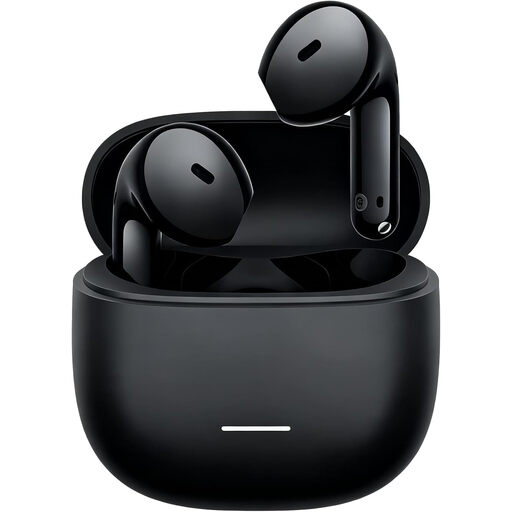
Xiaomi Redmi Buds 8 Active, black

Xiaomi Redmi Buds 8 Active, Black

Check that the features and fit suit the way you listen; the stated battery life isn’t a measure of mixing accuracy.

Bluetooth 5.4 with AAC and SBC codecs; according to the product description, each earpiece weighs 3.8 g and offers up to 7 hours of playback per charge.

Joybuy

Bose Noise Cancelling Wired Earbuds, black

Bose Noise Cancelling Wired Earbuds, Black

The product description mentions noise cancellation and several sizes of ear tips; check for yourself which fit gives you a good seal.

USB-C connection, remote control and microphone. The USB-C connection requires a compatible audio output on the connected device.

Joybuy
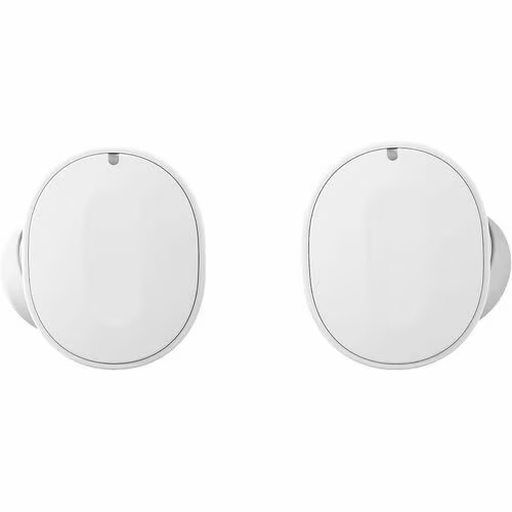
Fairphone Fairbuds, white

Fairphone Fairbuds, White

The adjustable EQ may be useful for comparing settings, but it doesn’t in itself tell you whether the mix balance is neutral.

Bluetooth 6.0 and replaceable parts, including the earpiece batteries and charging case battery, are listed. The product description claims hybrid noise cancellation of up to 45 dB.

Joybuy

Frequently asked questions

Can I finish a mix using only in-ear monitors?

Feel free to use in-ear monitors to listen for changes, but check important decisions about bass, balance and space on another monitoring system you know and trust, too. Shure discusses using headphones and monitors for mixing; Genelec explains that listening through headphones calls for a different approach to spatial sound.

How can I tell if a tip isn’t sealing properly?

According to Shure’s Dutch manual, a lack of bass may indicate a poor seal. Try a different tip that fits, don’t force it into your ear canal, and follow the instructions for your exact model when cleaning, replacing tips and disconnecting the cable.

Should I turn the volume up if it’s noisy at home?

No, don’t automatically turn up the volume to drown out background noise. The World Health Organization points out that both sound level and listening time matter, and gives a maximum of 40 hours per week at an average of 80 dB as an example. This example doesn’t guarantee that every listening setup is safe.

What cooling-off period and warranty apply to online purchases in the Netherlands?

For online purchases from a business, you generally have a 14-day cooling-off period; check the terms and any exceptions that apply to your order. The Dutch government also states that the Netherlands has a statutory guarantee with no fixed legal guarantee period. If a product is faulty, contact the seller.
