
Mixers checking tonal balance
You want to assess subtle changes to EQ or bass, then check whether those decisions hold up on other systems.


Start with in-ear monitors that create a good seal and feel comfortable. Then consider whether their sound signature suits the mix change you want to hear, and whether the connection is compatible with your device. A model described by its manufacturer as having a flat response may work for checking tonal balance, but make sure you also check important mix decisions on other playback systems.
You want to assess subtle changes to EQ or bass, then check whether those decisions hold up on other systems.
You compare different mix versions and want ear tips that fit securely and feel comfortable, so you don’t need to turn the volume up unnecessarily.
You connect your in-ear monitors to a laptop, phone or audio interface, for example, and want to check in advance that the plug, cable and any adapter are compatible.
For checking mixes in a quiet library, focus on tonal balance, a good seal, comfort and a compatible connection. Also check the rules of the library where you plan to listen.
| What to consider | What should you check? | Who is this important for? |
|---|---|---|
| Tonal balance | Read the description of the exact model’s sound signature, and check important mix decisions on other systems later. iZotope notes that the frequency response of headphones and loudspeakers can differ. | If you want to assess subtle changes to bass or EQ, look for a sound that suits this kind of checking. Around 36% of consumers prioritise tonal balance. |
| Seal and sound leakage | Check that the supplied tips fit snugly in both ears; a stated level of attenuation doesn’t guarantee a good fit for you. | A good seal matters if you want to listen in a quiet space without disturbing others. Around 29% of consumers prioritise a good seal and minimal sound leakage. |
| Comfort | Check the sizes and materials of the tips supplied with the exact model, and read the returns information in advance. | For longer sessions, you’ll want ear tips that stay comfortable. Around 21% of consumers choose primarily for comfort. |
| Connection and components | Compare the plug with your device’s output and check what type of connector the detachable cable uses. | If you use different devices or want to be able to replace the cable, the connection needs to be compatible. Around 14% of consumers prioritise connection and maintenance. |
The seal depends on the fit. A stated attenuation rating doesn’t tell you exactly how much background noise will be blocked for you.
Check the available tip sizes and how they fit both ears; don’t treat a manufacturer’s rating as a personal guarantee.
The sound signature can affect how you judge changes to the bass. A manufacturer’s description doesn’t prove that a model will sound neutral for your mix.
Read the description of the exact model and check important mix decisions on other systems later.
In-ear models can use different plugs and cable connectors, which aren’t automatically interchangeable.
Check your device’s output and the connector on the version you’ve chosen. You may need a suitable adapter or replacement cable if the connection isn’t compatible.
The ER2SE may be worth considering if you’re looking for a model that Etymotic describes as having a flat response.
According to Shure, the SE215 comes with a fit kit and a detachable MMCX cable.
The IE 100 PRO and IE 200 are separate in-ear models; their specifications and sound signatures aren’t interchangeable.
The ATH-E40 is an in-ear monitor supplied with several ear tip sizes and a detachable cable.
This Joybuy selection includes wired and wireless in-ear monitors. Check each model to make sure its connection and listed features suit your mix checks.
 No image available
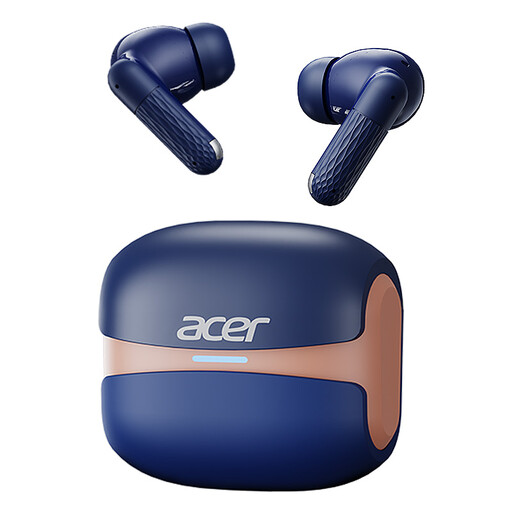
A wireless option to compare if you’re looking for in-ear monitors with ANC; check that the features suit the way you listen and check mixes.
The product name lists Bluetooth 6.0, ANC and touch controls.
 No image available
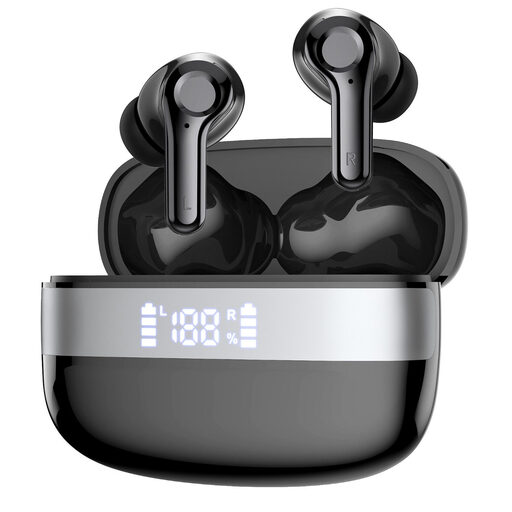
A wireless in-ear option to compare if you want to listen without a wired connection; check compatibility with your equipment.
The product name lists Bluetooth 5.4.
 No image available
A wired option if you’re not looking for wireless in-ear monitors; check that the connection on this version is compatible with your device.
The product name lists a wired design and noise cancelling.
 No image available
A wireless option to compare if you want to use a hands-free function while listening.
The product name lists Bluetooth 5.4, a USB-C connection and a playback time of 6–8 hours.
 No image available
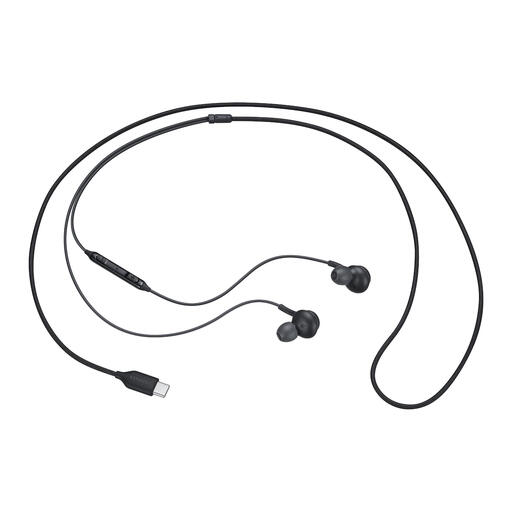
A wired option if your device has a compatible USB Type-C connection; check compatibility before choosing.
The product name lists a wired in-ear headset with USB Type-C.
No. Check important mix decisions on other playback systems too. iZotope notes that frequency response and the stereo experience can differ between headphones and loudspeakers.
Try the supplied sizes until the in-ear monitors fit snugly, and follow the model’s fitting instructions. VeiligheidNL recommends making sure they fit well; don’t simply turn up the volume to drown out background noise.
Keep the volume low and take listening breaks. The World Health Organization emphasises that both sound level and exposure time matter; its example of 80 dB for a maximum of 40 hours per week is health advice, not a guarantee for a particular listener or device setting.
Check the rules of the library you’re visiting. Rotterdam Public Library allows people to listen to music as long as they don’t disturb others; this rule doesn’t automatically apply to every library.
For online consumer purchases, you generally have a 14-day cooling-off period from delivery, although legal exceptions may apply. Check the seller’s information about packaging and returns before buying; don’t assume that every opened product can be returned.
First check whether your exact model has a replaceable cable and which connector type it needs. If a product becomes faulty too soon through no fault of your own, you may often be entitled to a remedy under the statutory guarantee, according to ACM ConsuWijzer; this is separate from replacing a cable yourself.