For quick mix checks, choose in-ears that seal well and have a sound balance suited to what you want to assess; don’t turn up the volume to drown out train noise. A detail-focused tuning and a model with more options for fit or cable connectivity address different needs. Check the bass balance and stereo positioning on other equipment later, too: the isolation and sound characteristics mentioned are manufacturer specifications, not the result of a comparative test on a Dutch train.
Who are in-ears for mix checks for?
Producer checking details on the go
You listen to changes on the train, such as edits and sound balance, but don’t use in-ears as your only definitive mix reference. Sound On Sound explains why details such as edit points can be assessed on headphones, while stereo positioning should also be checked elsewhere later.
Commuter looking to block out train noise
You want a good seal so you don’t have to keep turning up the volume to drown out background noise. VeiligheidNL and the World Health Organization stress the importance of a good fit when listening in noisy environments.
Creator who spends a lot of time listening on the go
You want to be able to adjust the fit to your ears, and you’re thinking about maintenance and replaceable parts. Shure and Sennheiser describe the choice of ear tips and components for specific models.
What should you look for when choosing?
First, decide which mix change you want to hear while you’re on the go. Then consider fit, seal and connectivity; don’t treat a manufacturer’s noise-attenuation rating as a like-for-like measurement on a train.
| What to consider |
What should you check? |
Who is it important for? |
| Sound balance |
Compare mix versions and reference tracks at the same volume; check the bass and stereo positioning on other equipment later, too. |
If you want to assess small mix changes on the go, prioritise the details that matter for your work. Around 34% of consumers put mix assessment first. |
| Seal |
Try suitable ear tips and check that both sides seal well; don’t compare stated dB ratings as if they were measured under the same conditions. |
If you don’t want to drown out train noise by turning up the volume, a good seal matters. Around 33% of consumers put seal at the top of their list. |
| Fit |
Check which sizes and materials are included and whether the tips are replaceable; a tip that seals well won’t necessarily be comfortable on a long journey. |
If you listen on the go often or for long periods, you’ll want a fit that feels comfortable in your ears and stays secure. Around 20% of consumers give fit top priority. |
| Connectivity and maintenance |
Check whether the cable or wireless connection works with your playback device and which parts can be replaced; keep the ear tips clean and dry. |
If you need a particular connection or want to replace parts, this will determine which models are suitable for you. Around 13% of consumers start with connectivity and maintenance. |
Common buying mistakes
-
Assuming a stated noise-attenuation rating guarantees performance on the train
Manufacturers publish isolation ratings for their own models, but the seal also depends on how well the in-ears fit your ears. Those ratings aren’t automatically comparable.
Try the available ear tips and check that both ears seal well. Don’t use the specifications to rank models for blocking train noise.
-
Correcting a bass difference in the mix when an ear tip isn’t sealing properly
A poor seal can affect the bass you hear. Shure also explains this in its advice on insufficient bass from earphones.
First check that both ear tips are fitted properly, then listen again at the same volume before changing the mix.
-
Using in-ears alone to make a final judgement on a mix
Stereo positioning can sound different on headphones than it does on speakers. Sound On Sound discussed this difference in 2006.
Use your train journey to check changes and details, then listen to the final mix on other playback equipment as well.
Brands to consider
Etymotic
The ER2SE is worth considering if you’re looking for a manufacturer-described flat sound and passive isolation for checking details on the go.
- Etymotic lists a flat frequency response and 35–42 dB of passive noise attenuation for the ER2SE.
- The stated attenuation doesn’t guarantee the same seal for every ear, and the manufacturer’s specifications alone can’t tell you how suitable the model is for making a final mix decision.
Shure
The SE215 may suit you if a choice of ear tips and a detachable cable are important.
- Shure lists different sleeves, a detachable cable with a 3.5mm plug and up to 37 dB of isolation for the SE215.
- Shure describes the sound as having deep bass; that doesn’t mean it has a neutral tuning. The maximum isolation rating can’t be compared with those of other models without matching measurement conditions.
Sennheiser
Sennheiser says the IE 100 PRO Clear is designed for monitoring, with a compact housing and a choice of ear tips.
- Sennheiser lists a dynamic driver and flexible silicone and foam tips for the IE 100 PRO.
- Sennheiser specifies sound attenuation of less than 26 dB. Claims about accuracy are made by the manufacturer and aren’t an independent comparison for train travel.
Joybuy products
The Joybuy products below are in-ear options to consider for listening on the go. Whether a model is suitable for your mix checks depends on the fit and sound you need; this product list isn’t a comparative measurement of mix accuracy.
 No image available
Samsung Galaxy Buds4 Pro True Wireless with Active Noise Cancellation
An option to consider if you want to reduce background noise on a train journey; check the mix balance and stereo positioning on other equipment later, too.
The product name specifies a true wireless in-ear design and active noise cancellation.
View at Joybuy
 No image available
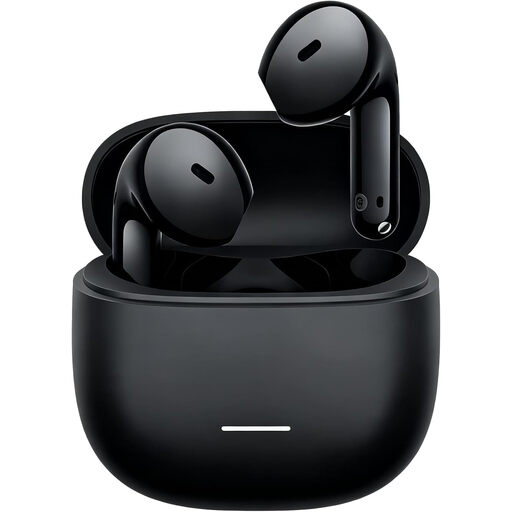
REDMI Buds 8 Active Black
Consider these in-ears if you’re looking for a model to listen to mix changes on the go; check that the fit and sound suit the way you assess your mixes.
View at Joybuy
 No image available
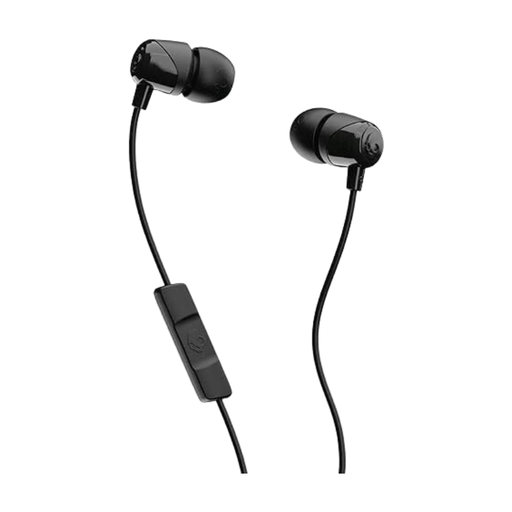
Skullcandy Jib In Ear W/Mic 1 Black
A wired in-ear option to consider if you’d rather not use a wireless connection; check before buying that the connection is compatible with your playback device.
The product name specifies a microphone.
View at Joybuy
 No image available
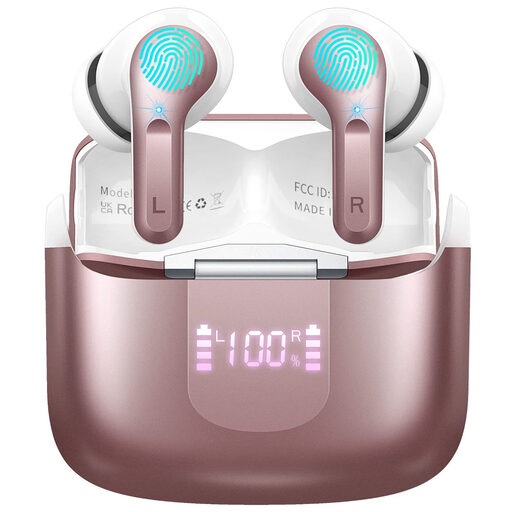
Bluetooth in-ear headphones, rose gold
Consider this option if you want to listen wirelessly on a train journey; remember to check your mix decisions on other equipment later.
The product name specifies Bluetooth 5.4, USB-C, IPX7 and four ENC microphones.
View at Joybuy
 No image available
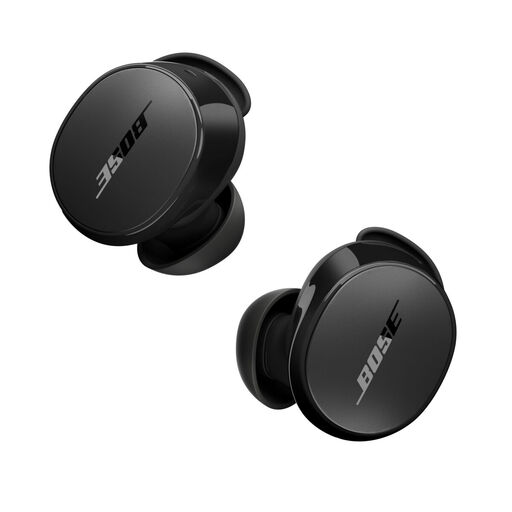
Bose QuietComfort Earbuds Black
Consider this model if you want to reduce background noise while travelling; listen on other playback equipment as well before making a final assessment of the mix.
View at Joybuy
Frequently asked questions
Can I make a final decision on a mix on the train?
Use in-ears on the go mainly to check changes and details. Check stereo positioning and how the finished mix translates on other equipment as well, because listening on headphones is different from listening on speakers.
How can I avoid turning the volume up too high on the train?
Choose in-ears that fit well and don’t turn up the volume to drown out background noise. The World Health Organization gives an average of 80 dB for a maximum of 40 hours per week as an example of safe listening; this isn’t a measurement of the level from your in-ears on your device.
What should I do if my in-ears sound low on bass?
First check that both ear tips seal well before changing the mix. Shure advises keeping sleeves clean and dry, allowing suitable sleeves to dry completely before using them again, and replacing damaged sleeves; also follow the instructions for your model and tip material.
What returns and warranty rights apply to online purchases in the Netherlands?
For online consumer purchases, you generally have a 14-day cooling-off period from the date of delivery; legal exceptions may apply. ACM ConsuWijzer explains this cooling-off period. If a product is faulty, Dutch law provides a legal guarantee without one fixed statutory guarantee period; according to the Dutch government, the seller is responsible for providing a solution.


