Who are these IEMs suitable for?

Traveller looking to reduce cabin noise

You want to follow a film soundtrack without constantly turning up the volume, and you’re happy to try different ear tips. The WHO recommends well-fitting headphones as a way to reduce the need for higher volume in noisy environments.

Listener with sensitive ears

You wear earphones for hours at a time and value a comfortable, secure fit over the highest stated noise reduction. Tip sizes and how you wear the cable can affect what feels comfortable for you.

Attentive soundtrack listener

You want to weigh up sound balance and audible detail, and check that your wired listening setup is compatible with your playback source. The Consumentenbond includes sound quality, comfort, features and cable length in its tests of headphones and earphones.

What should you look for when choosing?

Wired IEM focused on a good seal

Choose this if: reducing cabin noise is your top priority and the tips fit comfortably and seal well.

The trade-off: the stated maximum noise reduction doesn’t tell you how well the IEMs will fit or how comfortable they’ll be on a long flight.

Wired IEM with a choice of sound and tips

Choose this if: you want to compare different tip options or adjustable bass.

The trade-off: the fit and seal affect the bass. Try different combinations beforehand to find one that sounds right to you.

In-ear headphones with active noise cancellation

Choose this if: you want to consider a wireless alternative and can assess battery life and connectivity separately.

The trade-off: ANC isn’t the same as passive noise isolation. Check your flight’s rules and equipment too.

What to consider What should you check? Who would prioritise this?
Blocking out cabin noise Check the tip sizes and try them to see whether they seal comfortably. Manufacturer figures won’t predict how they’ll fit every ear shape. I want to follow the soundtrack without turning up the volume to drown out background noise; around 33% of consumers would make a good seal their top priority.
Comfort over several hours Try the tips and wearing style for an extended period beforehand. Having several sizes doesn’t prove that a model will suit you. If I wear earphones for a long time, I want a secure fit that won’t make me keep taking them out; around 27% of consumers would prioritise long-lasting comfort.
Sound balance for film soundtracks Compare the bass tuning once the tips seal well. Don’t judge the sound by a single technical specification. I want orchestral passages and low-frequency effects to sound the way I prefer; around 20% of consumers would make sound balance their top priority.
Connection to your playback source Check the connection on your phone, player or entertainment system, and work out whether you’ll need an adapter. I want to know before I leave whether the IEMs will work with my chosen source; around 20% of consumers would make connectivity their top priority.

What to consider before buying

  • Choosing the highest isolation rating without trying the tips

    A manufacturer’s figure won’t tell you how well an IEM seals in your ear or how comfortable it will feel for hours.

    Check the included tip sizes and try the fit and seal before you travel.

  • Assuming passive isolation and active noise cancellation are the same

    Wired IEMs provide passive isolation. A wireless ANC alternative also means considering battery life and connectivity.

    Compare fit, listening environment, battery life and compatibility with your source separately.

  • Assuming a 3.5 mm plug will fit every source

    An IEM with a 3.5 mm plug will only work directly with a compatible output on your chosen playback source.

    Decide beforehand whether you’ll listen through your own device or the in-flight screen, and check the connections on both.

  • Trying in-ear headphones extensively without checking the returns policy

    ACM ConsuWijzer notes that the cooling-off period does not apply to certain unsealed hygiene products.

    Before opening the packaging, read the relevant information about the cooling-off period and packaging. A product fault is a separate matter from simply changing your mind.

Brands to compare

Shure

The wired SE215 is worth considering if a good seal and replaceable parts matter to you.

  • Shure states that the SE215 offers up to 37 dB of sound isolation, includes several ear tips and has a detachable MMCX cable with a 3.5 mm plug.
  • The maximum noise reduction is a manufacturer claim. The actual seal and comfort depend on the fit.

Sennheiser

The IE 200 is an option to consider if you want to weigh up tip choice and adjustable bass.

  • Sennheiser states that it offers two bass settings, silicone and foam tips in three sizes, and a detachable cable with a 3.5 mm plug.
  • These features don’t prove that the IE 200 will provide a better seal or feel more comfortable for every traveller.

Etymotic

The ER2SE and ER2XR offer a choice of two bass tunings in wired IEMs.

  • Etymotic states that these models provide 35–42 dB of passive noise reduction and describes the ER2SE as having a flatter bass response than the ER2XR.
  • These are manufacturer figures, not the results of a like-for-like cabin test. Check that the required fit is comfortable for you.

Moondrop

The Aria 2 is a wired IEM to compare if a replaceable two-pin cable matters to you.

  • Moondrop specifies a 0.78 mm two-pin connection and a 3.5 mm plug for the Aria 2.
  • These connection details don’t provide a comparable measure of noise isolation on a flight or personal comfort.

final

The E3000 is another sound-focused option to compare, rather than a proven choice for noise isolation.

  • final describes the E3000 as having a balanced sound.
  • This description from the manufacturer doesn’t establish how it compares at blocking cabin noise.

Joybuy products for travelling

This selection includes wired USB-C earphones and wireless in-ear headphones, including ANC models, for listening to film soundtracks on the go. Check each product’s connection, fit and battery life, where applicable, to make sure they suit your flight and playback source.
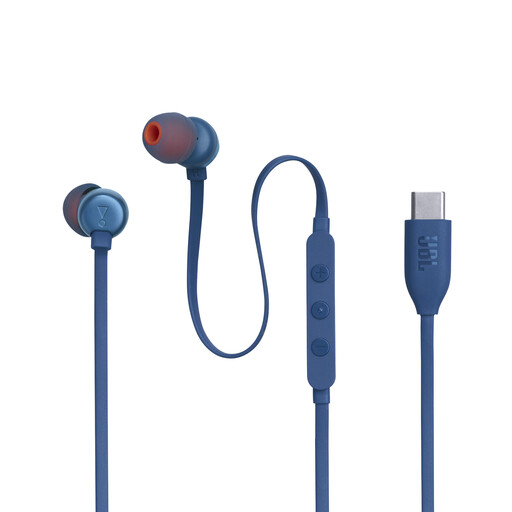
JBL Tune 310C wired in-ear earphones, blue

JBL Tune 310C wired in-ear earphones, blue

A wired option for listening from a compatible USB-C source.

The product description lists three EQ presets, three sizes of ear tips and in-line controls. Check that your playback source supports USB-C audio.

View at Joybuy

Samsung Galaxy Buds4 Pro wireless in-ear earphones, black

Samsung Galaxy Buds4 Pro, black

A wireless option to compare if you’re weighing up ANC and cable-free listening.

The product description lists ANC, two-way speakers and an adjustable 9-band equaliser. Stated playback time: up to 6 hours with ANC on and up to 26 hours with the charging case.

View at Joybuy
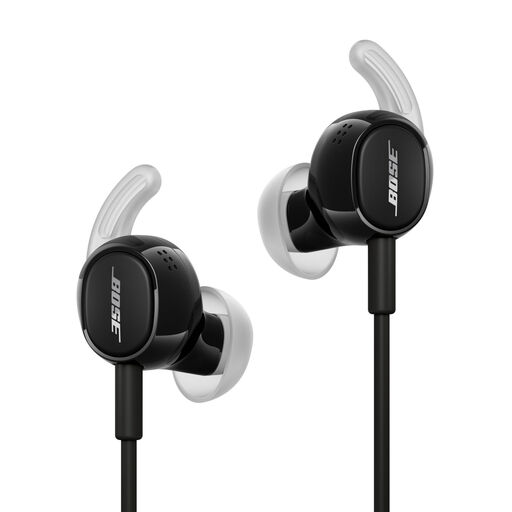
Bose Noise Cancelling Wired Earbuds, black

Bose Noise Cancelling Wired Earbuds, black

A wired option to consider if you don’t want to charge an earphone battery.

The description lists a USB-C connection, three sizes of ear tips and two sizes of stability bands. Check that your playback source has a compatible USB-C connection.

View at Joybuy
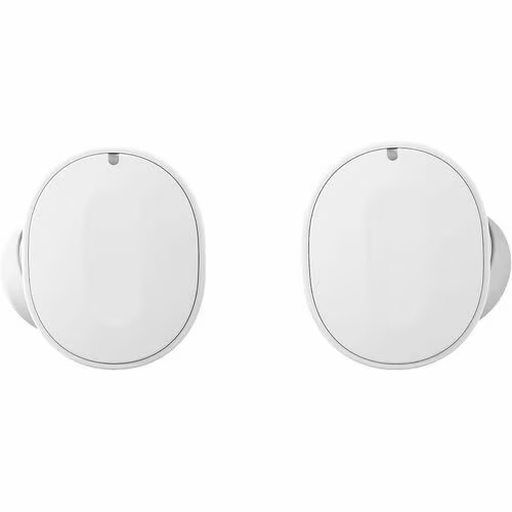
Fairphone Fairbuds, white

Fairphone Fairbuds, white

A wireless option if you’re considering ANC and replaceable parts.

The product description lists hybrid ANC and replaceable parts, including batteries. Stated playback time: up to 8 hours with ANC off and up to 40 hours with the charging case.

View at Joybuy
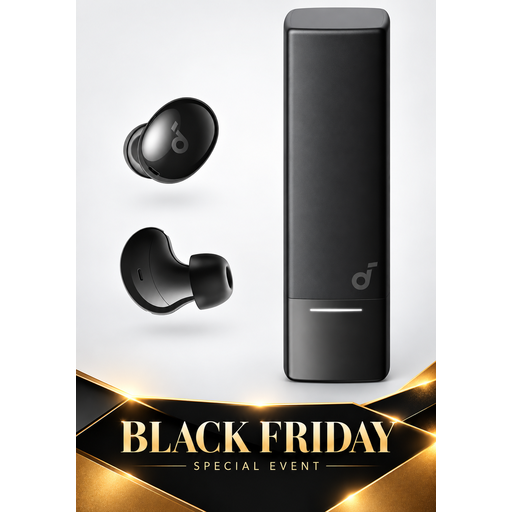
Soundcore A30i by Anker wireless in-ear earphones

Soundcore A30i by Anker

A wireless option if you’re considering ANC and connection to multiple devices.

The description lists Bluetooth 5.4 and multipoint connectivity. Stated playback time: up to 7 hours on a single charge and up to 24 hours with the charging case.

View at Joybuy

Frequently asked questions

Can I connect wired IEMs to the in-flight entertainment system?

It depends on the connection available on your flight. KLM recommends wired headphones for its entertainment system and mentions an adapter for Bluetooth. This doesn’t confirm which connections are available on every flight. Check the information for your flight and the plug on your IEMs before you travel.

How should I use well-sealing IEMs on a long flight?

Don’t turn up the volume to drown out cabin noise, and take listening breaks. The WHO identifies sound level and exposure time as important factors, and recommends well-fitting headphones to reduce the need for higher volume in noisy environments. A noise reduction claim alone doesn’t determine what volume is right for you.

What should I check about the tips and cable before I travel?

Try the included tip sizes and your chosen wearing style beforehand. If you’re using a replacement cable, check the connection for your exact model: Shure specifies MMCX for the SE215, while Moondrop lists a 0.78 mm two-pin connection for the Aria 2.

What are my rights when buying in-ear headphones online in the Netherlands?

A cooling-off period may apply to online purchases, but ACM ConsuWijzer notes an exception for certain unsealed hygiene products. Check the relevant terms before opening the packaging or wearing the product. A product fault is a separate matter: according to the Authority for Consumers and Markets, the legal guarantee from the seller has no fixed time limit that applies to all products.

Can I use my playback device and wireless earphones during a flight?

Follow the instructions of your airline and the cabin crew. The European Union Aviation Safety Agency says that airlines can set rules, including requiring devices to be in aeroplane mode, and advises carrying devices with lithium batteries in your hand luggage. Check your flight’s rules if you’re bringing a wireless alternative or a spare battery.
