Who is this relevant to?

Listeners who want to follow the dialogue

If engine noise drowns out quiet words, look for a seal that suits your ears and keep the volume at a sensible level. The World Health Organization recommends well-fitting headphones to make you less likely to turn up the volume in a noisy environment.

Travellers with sensitive ears

If you want to listen for hours without the tips or housings becoming uncomfortable, compare the included tip sizes and how the earphones are worn. Comfort can’t be judged from specifications alone.

Listeners using different audio sources

If you might use both your own device and the in-flight entertainment system, check the plugs and whether you’ll need an adapter beforehand. KLM recommends wired headphones for its entertainment system, or a Bluetooth adapter for Bluetooth headphones.

What should you look for when choosing?

What to consider What should you look for? Who is this most relevant to?
Understanding speech over cabin noise Check the available tip sizes and the manufacturer’s information on passive isolation. A stated dB figure is no guarantee of how it will perform on your flight. If quiet dialogue gets lost for me, I look for a good seal and don’t want to keep turning up the volume. Around 36% of consumers say understanding speech over cabin noise is their main concern.
Comfort during the flight Compare the housing, how the earphones are worn and the included tip sizes; follow the fitting instructions for your chosen model. If I want to listen for a long time, the fit needs to stay comfortable and the tips must not feel irritating. Around 29% of consumers say long-wear comfort is their top priority.
Connecting to your audio source Check the connection on your own device and on the entertainment system you want to use; check replacement cables separately for compatibility. If I want to use my own player or the in-flight entertainment system, I want to know in advance whether the connection will work. Around 21% of consumers prioritise source compatibility.
Maintenance and replaceable parts Check the exact cable type, which tips are compatible with the model and the maintenance instructions. If the tips or cable wear out, I want to know which parts I can replace for this model. Around 14% of consumers say ease of maintenance matters most.

Common buying mistakes

  • Treating a stated dB figure as guaranteed cabin noise reduction

    The actual seal depends on factors including your ears and the tips you choose. Shure also says its in-ear earphones are not hearing protection with an NRR rating.

    Choose based on fit and intended use, not just the highest isolation figure.

  • Choosing a wired monitor without checking the audio source

    A plug won’t necessarily fit your own playback device or the in-flight entertainment system; connections can vary between sources.

    Before you travel, check your own device and the audio source you plan to use during the flight.

    You may need a compatible adapter or cable.

  • Assuming detachable cables are interchangeable

    The models reviewed use different connectors. FiiO says the JD1 cable won’t fit every other 0.78 mm 2-pin connector.

    Check the full model name and the connectors at both ends before choosing a replacement cable.

    A cable with the wrong connection won’t be a suitable replacement.

  • Trying to drown out cabin noise by continually turning up the volume

    According to the World Health Organization, the louder you listen, the shorter the safe listening time.

    First, find a comfortable seal, keep the volume moderate and take listening breaks.

Brands to compare

Shure

The SE215 is a wired in-ear model with a detachable MMCX cable and included foam and silicone tips.

  • Shure claims up to 37 dB of isolation for this version. The manufacturer stresses that actual isolation depends on factors including your ears, the tips and the fit.
  • Shure does not classify the earphones as hearing protection with an NRR rating. The stated figure is no guarantee of performance on any particular flight.

Etymotic

Etymotic describes the ER2SE as having a flat response and the ER2XR as a version with extra bass. This sound balance may be worth considering if you mainly listen to spoken audio.

  • Etymotic states that the ER2SE offers 35–42 dB of passive attenuation and has a user-replaceable cable.
  • The manufacturer’s figure is not an independent measurement taken on an aircraft, and it can’t tell you exactly how comfortable the earphones will be for you.

Sennheiser

The wired IE 200 has a 3.5 mm plug, adjustable ear hooks, and silicone and foam tips in three sizes.

  • The different tip sizes give you options for finding a personal fit.
  • Sennheiser’s claims about neutral sound and comfort are manufacturer claims, not the result of a listening test with radio comedy during a flight.

FiiO

FiiO describes the JD1 as having a detachable 0.78 mm 2-pin cable. The stated standard version comes with a 3.5 mm cable and microphone.

  • A detachable cable means you can replace it, provided you choose a compatible connector.
  • FiiO warns that the JD1 cable won’t fit every other 0.78 mm 2-pin connector. Check the version too: FiiO discusses the JD1 and JD1 TC on the same product page.

Joybuy products

This Joybuy selection includes wired options and models where you’ll need to check the connection to your own player or the in-flight entertainment system beforehand. Compare the fit and connection with how you plan to use them.
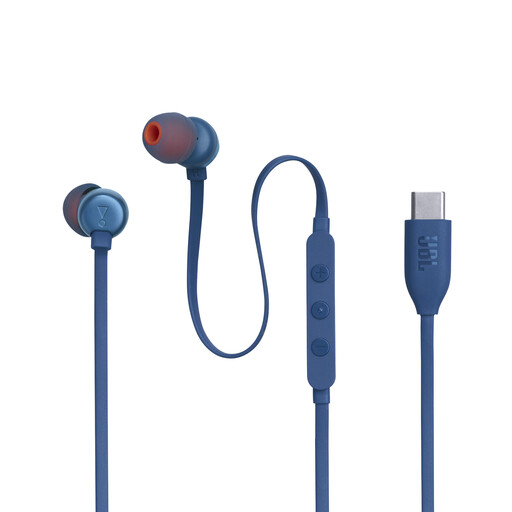
JBL Tune 310C wired in-ear headphones with silicone tips, blue

JBL Tune 310C wired in-ear headphones, blue

An option if you want to listen using a wired connection and your audio source supports it.

The product title mentions silicone tips. Check whether your source supports USB-C audio; if not, you may need a compatible adapter.

View at Joybuy
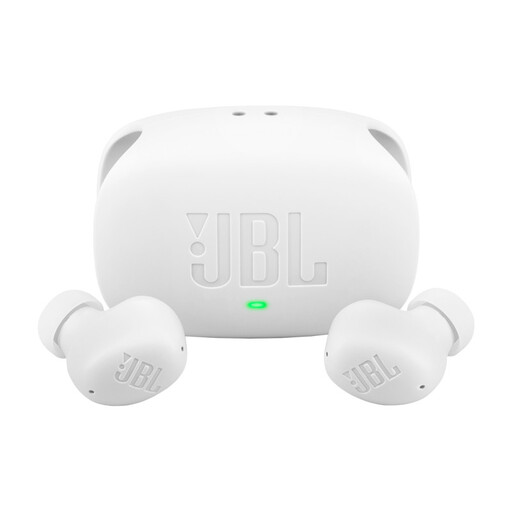
JBL Wave Buds 2, white

JBL Wave Buds 2, white

Before choosing, check how this model connects to your player and to the in-flight entertainment system.

For KLM’s in-flight entertainment, KLM recommends wired headphones or a Bluetooth adapter for Bluetooth headphones. Check what applies to your flight.

View at Joybuy

Bose Noise Cancelling Wired Earbuds, black

Bose Noise Cancelling Wired Earbuds, black

A wired option to compare if you want to check that the connection works with your playback device first.

The product title mentions noise cancelling. Check whether your audio source supports USB-C audio; if not, you may need a compatible adapter.

View at Joybuy
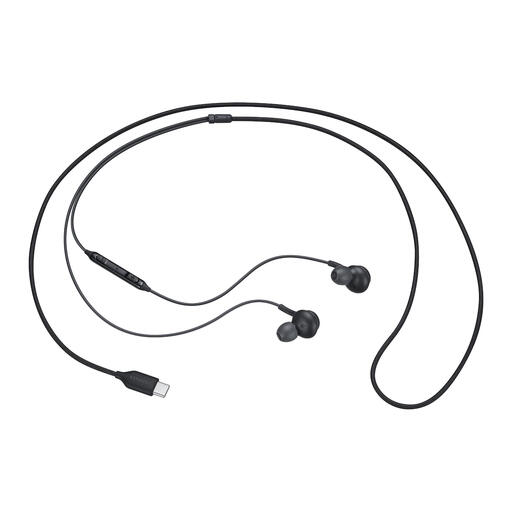
Samsung EO-IC100 wired in-ear headset, USB Type-C, black

Samsung EO-IC100 wired in-ear headset, USB Type-C, black

A wired option if your audio source has a compatible USB Type-C connection.

The product title mentions USB Type-C; check whether your device supports audio through this connection.

View at Joybuy
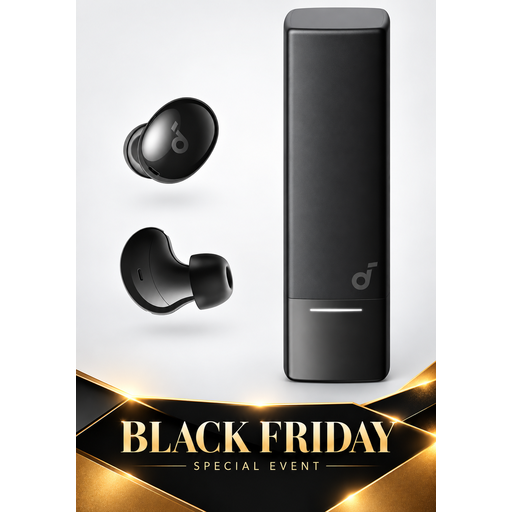
Soundcore A30i by Anker noise-cancelling earphones

Soundcore A30i by Anker noise-cancelling earphones

A wireless option to consider if your flight’s entertainment system supports wireless listening.

The product title mentions noise cancelling. Check the airline’s rules and the connection to the entertainment system before relying on wireless listening.

View at Joybuy

Frequently asked questions

Will a higher stated noise-reduction figure automatically help you hear every joke?

No. Shure says isolation depends on factors including your ear canal, the tips and the fit. So don’t treat manufacturer figures as guaranteed results on your flight, and keep the listening volume moderate.

Will you need an adapter for in-flight entertainment?

That depends on the audio source and the connections available on your flight. KLM recommends wired headphones for its entertainment system and mentions a Bluetooth adapter for anyone who would rather use Bluetooth headphones. Check beforehand what will work on your flight.

Can you use Bluetooth on every flight?

You can’t assume that you can on every flight. According to EASA, airlines decide after a safety assessment whether and when devices with transmitting functions may be used. Always follow the crew’s instructions.

How should you fit and care for the tips?

Follow the instructions for the exact model. For the SE215, Shure says the sleeve should fully cover the nozzle and earpiece, warns against pushing it in too far, and advises replacing a sleeve if it doesn’t stay securely in place.

Can you always return in-ear headphones bought online free of charge?

No, don’t assume that returns are always free. According to the European Union, online purchases from a professional seller generally come with a 14-day cooling-off period, subject to exceptions. You may have to pay return postage if the seller told you this in advance; check the terms that apply to your purchase.
