
Attentive interview listener
You want to follow spoken passages and subtle changes in someone’s voice at a moderate volume. Compare how voices sound rather than relying on a description of the sound alone.


Start with a fit that stays comfortable, then check that voices sound natural and clear at a moderate volume. In a quiet library, maximum isolation isn’t necessarily essential: weigh it against your need to hear when someone speaks to you, and check that the connection is compatible with your player. The Dutch consumer association Consumentenbond includes speech clips in its headphone tests, which shows why listening to real voices is useful.
You want to follow spoken passages and subtle changes in someone’s voice at a moderate volume. Compare how voices sound rather than relying on a description of the sound alone.
You listen for extended periods and want to compare ear-tip sizes and materials. A good fit should feel comfortable over time and seal well; Consumentenbond also assesses headphones using speech clips.
You want to follow an interview but still notice when someone speaks to you. The Dutch organisation VeiligheidNL points out that a good seal can reduce sound leakage, so consider whether that level of isolation suits a shared library space.
For interviews in a quiet library, focus on voice reproduction, long-term comfort, awareness of your surroundings and a suitable connection.
| What to consider | What to look for when buying | Who it matters to |
|---|---|---|
| Voice clarity | Listen to both quiet and emphatic passages, and check whether you need to turn up the volume. | I want to follow voices and subtle details clearly without turning up the volume; around 36% of consumers prioritise clear speech. |
| Comfort during long listening sessions | Compare the supplied ear-tip sizes and materials, and assess comfort during a longer listening session. | For a long interview, I want ear tips that don’t press uncomfortably and stay in place; around 29% of consumers prioritise long-lasting comfort. |
| Awareness of your surroundings | At your usual volume, try them out to see whether distracting sounds are reduced enough while important sounds remain audible. | I want to follow a conversation and still notice when someone speaks to me; around 21% of consumers prioritise awareness of their surroundings. |
| Connection and cable | Check your player’s connection and the connector type of any replacement cable. | I want to connect my earphones directly to my player or replace the cable with a compatible one; around 14% of consumers prioritise connectivity and replaceability. |
Noise-isolation figures are supplied by manufacturers. The seal, voice reproduction and whether you want to remain approachable are separate considerations.
Try a familiar interview at a moderate volume, and don’t choose solely on the basis of the maximum stated isolation.
The ATH-E40 uses A2DC, while the Shure and Sennheiser models mentioned use MMCX. A detachable cable doesn’t automatically mean that every replacement cable will fit.
Check your player’s connection, and when replacing a cable, search for the exact model and connector type.
An ear tip that presses or doesn’t seal properly can feel uncomfortable, even if you like the sound.
Check the available ear-tip sizes in advance, and review the terms for the specific offer before breaking any seal.
The ER2SE is a wired option to compare if you’re looking for a flat tuning and strong passive isolation, according to the manufacturer.
The IE 200 is a compact wired option supplied with ear tips in different materials and sizes.
The SE215 is worth comparing if a fit kit and a detachable cable are important to you.
The ATH-E40 is a wired alternative supplied with silicone ear tips in four sizes and a detachable cable.
This selection includes wired in-ear earphones with USB-C or 3.5 mm connections, plus one wireless option. Check that the connection is compatible with your playback device and that the sound controls suit your need to remain approachable.
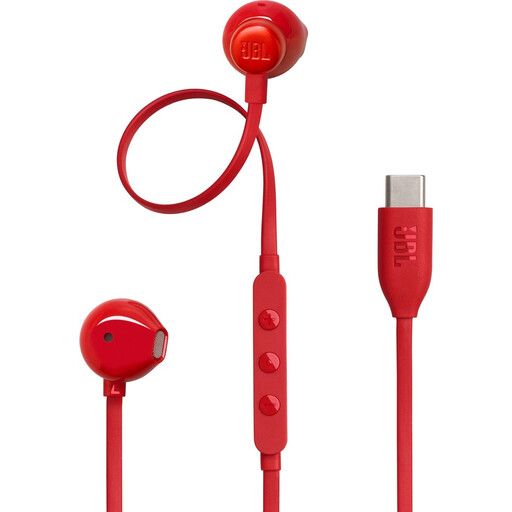 No image available
An option to compare if your device supports USB-C audio and you want to adjust spoken audio. These earphones have a USB-C connection; the product information also lists three-button controls, a microphone and a vocal EQ preset.
 No image available
These wired USB-C earphones are an option if you want to compare different fit options. They come with ear tips in three sizes and stability bands in two sizes; noise cancellation may conflict with your need to notice when someone speaks to you.
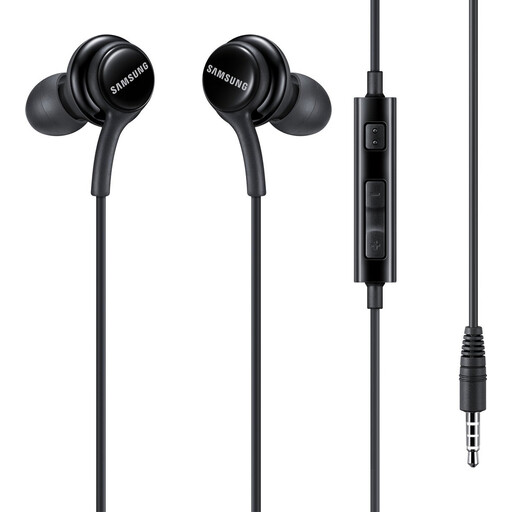 No image available
A wired option to compare if your player has a 3.5 mm connection and you’re planning longer listening sessions. The product information lists an ergonomic fit and a 3.5 mm connection.
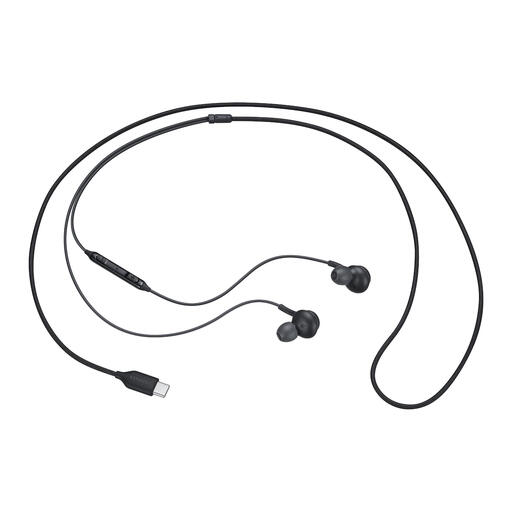 No image available
This model is worth comparing if your device supports USB Type-C audio and you want to try different ear-tip sizes. The product information lists a built-in DAC, two-way speakers and ear tips in different sizes.
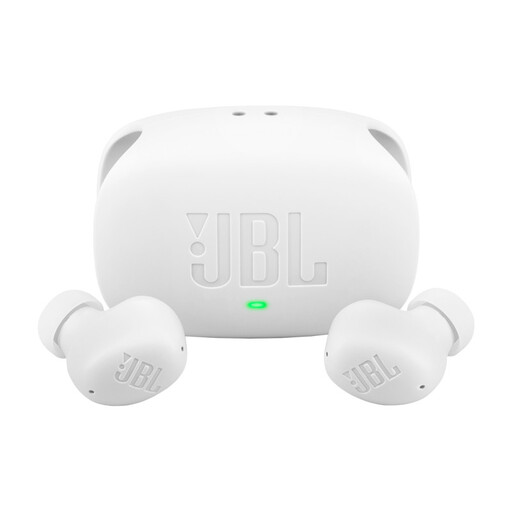 No image available
This wireless option may suit you if you want to switch between listening and hearing more of your surroundings. Features include Smart Ambient, Active Noise Cancelling and connection to two Bluetooth devices; check that the sound settings you choose let you remain approachable.
Start at a low volume, try the supplied sizes and check the seal using a familiar speech clip. The Dutch organisation VeiligheidNL explains that a good seal can help you avoid drowning out background noise by turning up the volume. The WHO gives 80 dB for up to 40 hours per week as an example of safe listening; this isn’t a measured level for any of these models.
Don’t force the fit. The Dutch health information service Thuisarts lists pain and itching as possible symptoms of an inflamed ear canal, and advises contacting your GP if symptoms persist.
If a product is faulty, contact the seller. According to the Dutch government, the seller must arrange a solution and cannot simply send you to the manufacturer.
Don’t assume that you can. According to the Dutch government, online purchases often come with a 14-day cooling-off period. Before opening the packaging, check whether an exception relating to a hygiene seal may apply to the specific product.