
Side sleeper setting up a lecture
You want to listen without putting pressure on your ear, but you might nod off during the lecture. That makes fit, playback time and being able to hear important sounds worth considering.


If you stay awake to listen to an astronomy lecture, start by choosing a comfortable fit that makes speech easy to understand. Then check whether the cable or wireless connection suits the way you listen. If you might drift off, neither type of connection is automatically comfortable for sleeping: the WHO advises taking volume and listening time into account, while Cleveland Clinic highlights the pressure that can build up in your ear when you sleep on your side.
You want to listen without putting pressure on your ear, but you might nod off during the lecture. That makes fit, playback time and being able to hear important sounds worth considering.
You stay awake to follow the explanation, so clear speech and the right ear tip matter more than an unproven promise of extra bass.
You want to avoid turning up the volume just because of background noise. How well the earphones seal also depends on their fit.
A good fit if: your source has a suitable connection or you use the right adapter, and the cable does not get in the way of your position.
Trade-off: you do not need to charge a wireless module, but the cable can get in the way in bed.
A good fit if: your main priority is avoiding a cable to the playback device, and you are happy to check the controls, battery life and fit of the version you choose.
Trade-off: you avoid a cable to the source, but the wireless module needs charging; pressure on your ear is still something to consider.
| What to consider | What to look for | Who this matters to |
|---|---|---|
| Fit when lying down | Compare the available ear tip sizes and the shape of the housing; think about how you will stop the lecture. | If I listen on my side and might nod off, I want to know whether the tip and housing will put pressure on my ear. Around 36% of consumers put fit and the possibility of drifting off first. |
| Speech clarity | Listen to voices using your usual playback device and a familiar lecture at a moderate volume. | When listening to a spoken lecture, I want to follow the words and quieter passages, rather than rely on a general promise about music sound. Around 29% of consumers prioritise being able to understand the explanation. |
| Noise isolation in the bedroom | Check that the supplied tips fit, and consider whether you need to be able to hear important sounds around you. | I want to make background noise less of a reason to turn up the volume, without treating an isolation claim as a personal guarantee. Around 21% of consumers prioritise isolation in a shared room. |
| Connection and cable | Check your player’s output, the plug on the exact version you are considering, and whether the cable route suits your position. | If I listen using a wired connection, I want the plug to fit my source and the cable not to get in the way. Around 14% of consumers prioritise the connection and choice of cable. |
The seal varies from one ear and tip to another. Shure also states that its in-ear earphones are not designed to protect your hearing.
Choose tips that fit well, keep the volume moderate and decide whether you need to be able to hear important sounds around you.
A fit that feels comfortable while you are sitting awake may not stay comfortable during long listening sessions or when you lie on your side.
Check for pressure in your own listening position and decide in advance how the lecture will stop. Do not base your choice solely on a claim about wearing comfort.
The models mentioned use different connections, including MMCX, A2DC and two-pin. FiiO lists two connector versions for the JD1.
Before choosing parts, check the exact model version, the connector on the earphone and the plug for your playback device.
Some combinations may need a compatible replacement cable or adapter.
ACM ConsuWijzer notes an exception to the cooling-off period for hygiene products that have been removed from their packaging; whether the exception applies depends on the specific circumstances.
Before buying, read the returns information and check whether there is any hygiene seal. The cooling-off period and the legal guarantee are separate things.
The SE215 is worth comparing if you want to look at different tips and a replaceable 3.5mm cable.
The ATH-E40 is worth comparing if you are looking for a wired in-ear monitor with several tip sizes and a detachable cable.
The MP-120 is worth comparing if you want to try different types of ear tips with a wired connection.
The IE 100 PRO Wireless is worth a look if you want the option of using Bluetooth or the supplied standard cable.
The JD1 is worth comparing as a wired option with a detachable 0.78mm two-pin cable; check the version being offered carefully.
Here are wireless and wired in-ear earphones to compare by connection, fit and compatibility with your playback device.
 No image available
A wireless option if you do not want a cable to your playback device; check that the controls and fit suit the way you listen.
The product name lists Bluetooth 6.0 and ANC.
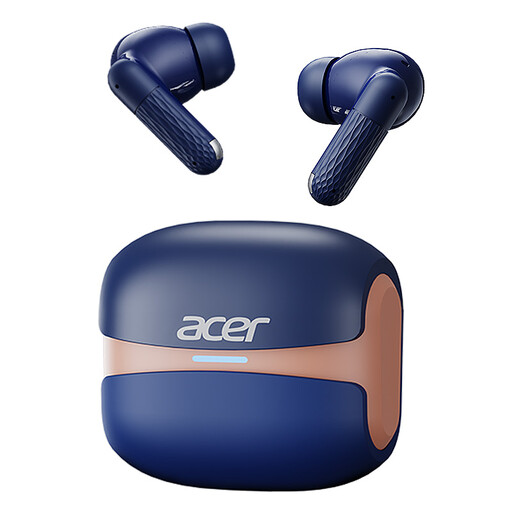 No image available
A wireless option if you want to avoid a cable to your player; check that the fit and controls suit your needs.
The product name lists Bluetooth 5.4 and a Type-C charging case.
 No image available
A true wireless option if you do not want a cable to your playback device; check that the fit is suitable for listening in your chosen position.
The product name lists active noise cancellation.
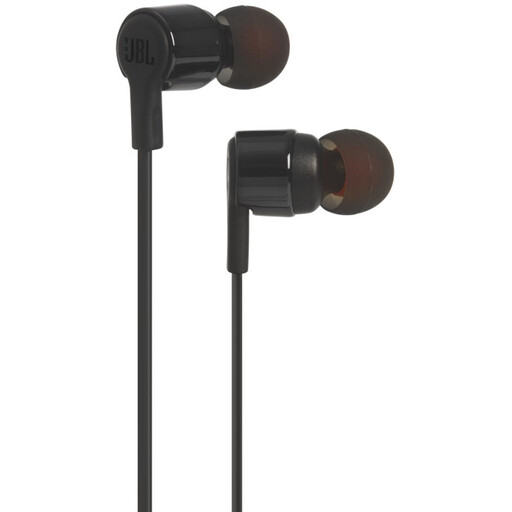 No image available
A wired option if you want to listen to a lecture without charging and your playback device has a suitable output.
The product name lists a 3.5mm connection; otherwise, you will need a suitable adapter.
 No image available
A wired option if your playback device supports USB-C; check whether the tips and stability wings feel comfortable.
The product description lists three sizes of ear tips and two sizes of stability wings.
Do not assume it will automatically be comfortable. Cleveland Clinic notes that earbuds can cause pressure pain and irritation when you sleep on your side; the WHO advises taking volume and listening time into account. Set a stop time and consider whether you need to be able to hear important sounds around you.
Choose a tip that creates a seal without forcing it, and try another size if the fit is not right. The Shure SE215 manual advises against pushing the tip past the opening of the ear canal and recommends checking that it is secure after replacement. Follow the cleaning instructions for the model you buy.
First, check the connection on your phone or player and the plug on the exact version you are considering. According to the manufacturers, the wired Shure SE215 and Audio-Technica ATH-E40 have a 3.5mm connection; if your source does not have a suitable output, you will need a compatible adapter or a different playback device.
For eligible online consumer purchases, you generally have a 14-day cooling-off period from receipt, according to ACM ConsuWijzer. It notes an exception for hygiene products that have been removed from their packaging, so check the circumstances and returns information for your specific purchase. According to the Dutch Government, there is no fixed term for the statutory guarantee: the product must meet what you could reasonably expect from it.