
Listening to lectures with background noise
You share a room and want to follow recorded speech without constantly turning up the volume. Start by considering how well the earphones seal, then see whether they feel comfortable when you wear them.


Start with earphones that seal well and let you follow speech at a comfortable, low volume; a quoted noise-isolation figure doesn’t guarantee the same result with your fit. Then consider comfort during long listening sessions, compatibility with your device and whether replacement parts are available. The model features mentioned are manufacturer specifications, not the result of a side-by-side listening test using lecture recordings.
You share a room and want to follow recorded speech without constantly turning up the volume. Start by considering how well the earphones seal, then see whether they feel comfortable when you wear them.
You listen to several lectures in a row and want earphones that fit well and stay comfortable. A noise-isolation specification alone won’t tell you how comfortable they’ll feel for you.
You want to know in advance whether the plug fits your device and whether the cables or eartips can be replaced. Check the version and available parts before making your choice.
Choose this option if: background noise makes it difficult to follow lectures, and the supplied eartips give you a comfortable, secure seal.
Bear in mind: a noise-isolation figure doesn’t prove how clearly you’ll hear speech in your room or how comfortable the eartips will feel.
Choose this option if: you want to try different sizes or materials to find a good seal.
Bear in mind: you’ll need to judge the fit for yourself; the specifications mentioned don’t predict clearer speech.
Choose this option if: a compact fit and detachable cable are high on your list.
Bear in mind: check which replacement parts are available; a replaceable cable doesn’t automatically mean repairing the earphone itself will be cost-effective.
| What to consider | What should you check? | Who is this important for? |
|---|---|---|
| Hearing speech clearly with background noise | Fit and seal; try a familiar speech recording at a comfortable, low volume. | If you share a bedroom, you’ll want to follow lectures without constantly turning up the volume. Around 33% of consumers prioritise speech clarity in noisy surroundings. |
| Comfort during long lectures | Compare the supplied sizes and materials, and see how the eartips feel when worn. | For long listening sessions, you’ll want eartips that stay comfortable, not just a high noise-isolation claim. Around 27% of consumers make comfort their top priority. |
| Compatibility with your device | Check your device’s connection type and the exact version of the earphones. | If you play lectures on a particular device, you’ll want to know in advance whether the cable will connect to it. Around 20% of consumers prioritise device compatibility. |
| Parts and maintenance | Check which cables and eartips are available for the version you’re considering, and distinguish replaceable parts from repair services. | If you want to replace parts after purchase, check the service available for the complete product too. Around 20% of consumers make maintenance and after-sales costs their top priority. |
Manufacturers quote noise-isolation figures, but what you experience also depends on the fit and the noise in your room.
Start with eartips that fit well, then try a speech recording at a comfortable, low volume. Don’t treat manufacturers’ claims as if they were the result of an independent test in a room.
The Shure SE215 and Sennheiser IE 200 versions reviewed list a 3,5mm plug; this doesn’t necessarily apply to every version.
Check your device’s port and the full product specification before ordering.
Parts or replacement may involve costs if out-of-warranty repairs aren’t available.
The ER2SE is a wired option to compare if passive noise isolation and the flat tuning described by the manufacturer are important to you.
The Dutch version of the SE215 is a wired in-ear monitor to consider if you want to compare different types of eartips and a detachable cable.
The IE 200 is a compact wired option with adjustable ear hooks and a choice of eartips.
The selection below includes wired and wireless in-ear earphones. Check the connection and fit for each version; product names alone don’t tell you how clearly you’ll hear speech in your room.
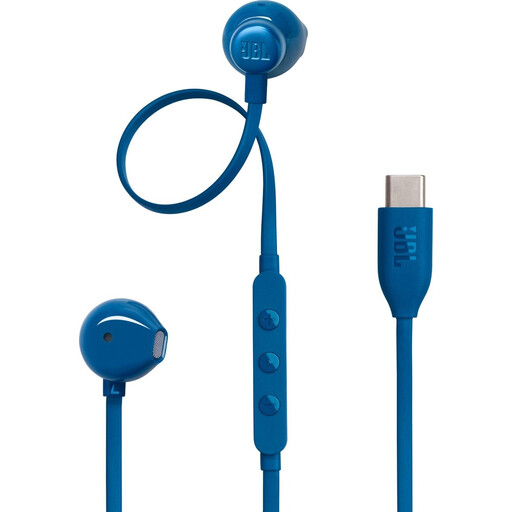 No image available
Check whether the connection on this version is compatible with your playback device.
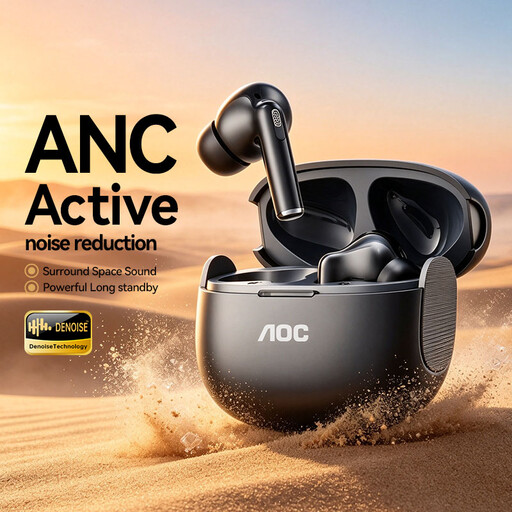 No image available
An option to consider if you’re looking at wireless earphones with ANC; the product name doesn’t tell you how speech in lecture recordings will sound.
The product name mentions Bluetooth 6.0.
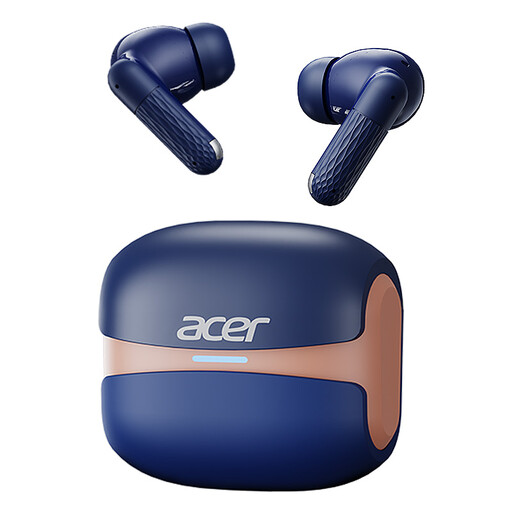 No image available
Consider this version if you’re looking at wireless in-ear earphones; check whether the controls suit the way you use them.
The product name mentions Bluetooth 5.4.
 No image available
Consider these wireless in-ear earphones if you’re looking at ANC; the product name doesn’t prove how clearly you’ll hear your lectures.
The product name mentions True Wireless and Active Noise Cancelling.
 No image available
A wired option to consider if you want to compare noise cancellation; check the fit and connection for your device.
Not as your first response. Check that the eartips seal well, and keep an eye on both the volume and how long you listen for. The World Health Organization points out that sound level, as well as the duration and frequency of exposure, all matter for safe listening.
Choose eartips that fit, check that the plug connects to your playback device and start at a low volume. The Shure SE215 and Sennheiser IE 200 versions reviewed list a 3,5mm connection; check the exact version, as this doesn’t necessarily apply to every model from these brands.
First check whether the part in question can be replaced for your version. If a product is faulty, you can exercise your statutory rights with the seller; in the Netherlands, there is no fixed statutory warranty period for this. Normal wear and tear and damage caused by your own use may be treated differently.
According to ACM ConsuWijzer, online purchases generally come with a 14-day cooling-off period after delivery, subject to statutory exceptions. For in-ear products, don’t assume you have an unrestricted right to return an opened or used set without checking the applicable terms. The Dutch government lists CE requirements for electronic products on the EU market; check the marking and documentation for the exact version.