
Language learners surrounded by household noise
If conversations or household appliances distract you during lessons, pay attention to the seal and fit. Shure highlights that isolation depends in part on the eartip and how it sits in your ear.


Start with an in-ear monitor that fits snugly and feels comfortable. Passive isolation can reduce household noise, but a stated dB rating doesn’t guarantee that you’ll hear speech more clearly. Then compare comfort, compatibility with your lesson device and how much contact with other people at home you want to maintain. Don’t turn up the volume to compensate for a poor fit or distracting background noise.
If conversations or household appliances distract you during lessons, pay attention to the seal and fit. Shure highlights that isolation depends in part on the eartip and how it sits in your ear.
If you listen to several lessons in a row, you may want to try different eartip sizes and materials. The options available won’t tell you on their own which fit will be comfortable for your ears.
If you need to hear people at home or important alerts, maximum isolation isn’t automatically the right priority. The World Health Organization notes that both sound level and listening time matter for safe listening.
First assess the fit and the level of isolation you want. Then check the connection and any parts you may want to replace.
| What to consider | What should you check? | Who is this important for? |
|---|---|---|
| Hearing your lesson clearly | Try the supplied eartips and assess a spoken lesson recording at a moderate volume. | If household noise masks words, you’ll want fewer distractions without relying on a standalone dB rating; around 36% of consumers prioritise speech intelligibility above all else. |
| Comfort during long lessons | Compare the supplied eartip sizes and materials, and assess the fit during a typical lesson. | If you listen for long periods at a time, you’ll want eartips that stay comfortable; around 29% of consumers put wearing comfort first. |
| Staying in touch with people at home | Decide whether you need to hear people or alerts during lessons. If necessary, choose a less isolating setup or a quieter time to listen. | If you need to stay approachable at home, maximum isolation may be inconvenient; around 21% of consumers prioritise being available to others. |
| Connection and components | Check the plug on the exact version and whether your playback device supports it. Also check which replacement eartips or cables are compatible with the model. | If you want to use the earphones with a specific lesson device or replace components, it’s worth checking these practical details in advance; around 14% of consumers start with connectivity and maintenance. |
The seal and shape of your ear affect isolation. Manufacturer ratings aren’t independently verified, like-for-like measurements of how clearly you’ll hear a spoken lesson at home.
Choose eartips based on fit and assess a spoken recording at a moderate volume.
A listed plug doesn’t necessarily mean it will fit the output on your phone, tablet or computer.
Before buying, check the connection on the exact version and on your lesson device.
Depending on the connections available, you may need a suitable adapter or a different playback device.
An in-ear monitor isn’t automatically hearing protection. The World Health Organization notes that higher sound levels and longer exposure can put strain on your hearing.
Keep the volume low and be mindful of how long you listen for, too.
The SE215 is worth considering if you’re looking for a wired monitor with replaceable eartips and a detachable cable.
The ER2SE is a wired option to consider if you want to take the manufacturer’s description of its flat tuning and passive isolation into account.
The wired IE 100 PRO is an option to compare if you want to try different eartip materials.
The wired ATH-E40 is worth considering if you want to compare silicone eartips in several sizes and a detachable connection.
The Pro X10 offers a different combination of eartips to consider when choosing the right fit.
This selection includes wired and wireless in-ear earphones for listening to lesson audio. Check that each model’s connection and fit are right for the way you plan to use it.
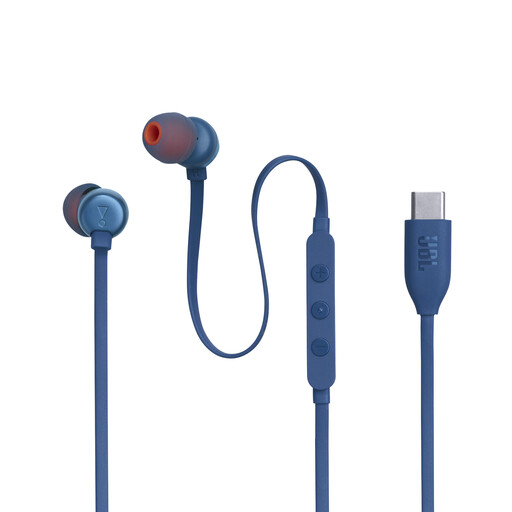 No image available
A wired option to consider if your lesson device is compatible with the connection on this version.
The product information lists USB-C and three sizes of silicone eartips; check that the connection is compatible with your lesson device.
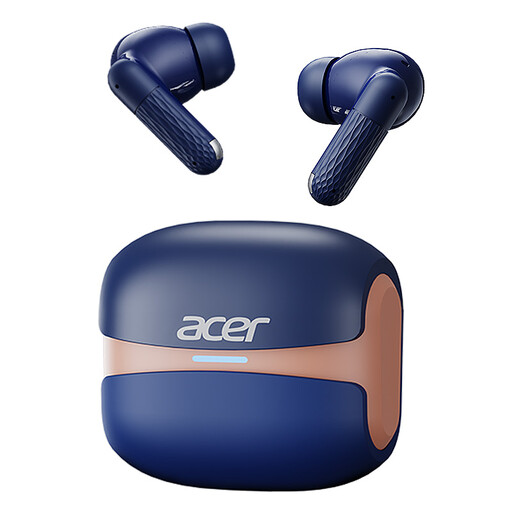 No image available
A wireless option if you want to listen to lesson audio without a wired connection.
The product name lists Bluetooth 5.4 and a USB-C charging case.
 No image available
A wireless option to consider if you want to factor active noise cancellation into your choice for lessons at home.
The product name lists active noise cancellation; consider whether this listening setup suits how available you want to remain to people at home.
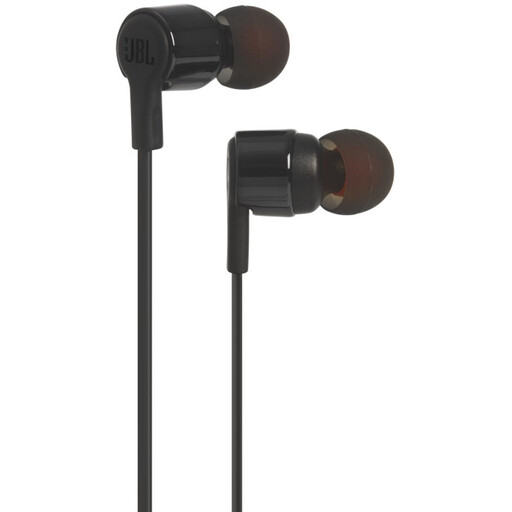 No image available
A wired option if your device has a compatible audio output.
The product name lists a 3.5 mm connection and a microphone; check that your lesson device supports the connection.
 No image available
A wired option to compare if you want to factor noise cancellation and different fit options into your choice.
The product information lists USB-C, three sizes of eartips and two sizes of stability wings. Check that USB-C is compatible with your lesson device.
No. Shure says that actual isolation depends on factors including your ear canal, the eartip and the seal. Test speech intelligibility with your own lesson recording at a moderate volume; stated dB ratings aren’t a direct comparison of how clearly you’ll hear speech.
Follow the instructions for the specific model. Shure’s Dutch SE215 guide says the eartip should fit snugly, shouldn’t be pushed past the opening of the ear canal and should cover the earphone fully. Replace any eartip that doesn’t stay securely in place.
Keep the volume low and bear in mind how long you’re listening for. The World Health Organization gives an average of 80 dB for up to 40 hours per week as an example of safe listening; this doesn’t mean that a particular volume setting on any device is equivalent to 80 dB.
According to the Dutch government, you generally have a 14-day cooling-off period for distance purchases. You also have statutory rights if a product is faulty; the seller must then provide a solution. EU rules include a limited exception for sealed goods that aren’t suitable for return after opening for health or hygiene reasons. This doesn’t mean that every opened in-ear monitor is automatically non-returnable; check the terms for the specific product.
Not as a general rule for every version. According to the European Commission, CE marking is required only when the relevant harmonised EU rules require it for the product. An attenuation claim alone doesn’t mean a model is certified as hearing protection.