
Working out a solo on the move
You listen to a guitar part repeatedly and want to pick out the details without turning up the volume to drown out train noise. The World Health Organization points out that both sound level and listening time matter.


Start with a well-fitting in-ear monitor that seals properly: it can help you avoid turning up the volume to drown out train noise. Then choose according to your main priority, such as a guitar-focused sound, wearing comfort, or a replaceable cable and compatible connection. Treat manufacturers’ claims about sound and noise isolation as no guarantee of what you’ll hear on the train.
You listen to a guitar part repeatedly and want to pick out the details without turning up the volume to drown out train noise. The World Health Organization points out that both sound level and listening time matter.
You prioritise a comfortable fit that lasts and staying alert during the journey over a specific sound claim. Mackie and Sennheiser offer different tip options to help you compare fit.
You want to check in advance that the cable connects to your playback device and that replacement parts are available. Audio-Technica uses an A2DC connector on the ATH-E40; Sennheiser specifies MMCX for the IE 200.
Choose this if: you want to listen attentively and your device has a suitable wired connection.
Bear in mind: a strong seal can make announcements harder to hear.
Choose this if: guitar parts are your main selection criterion; beyerdynamic specifically positions the DT 72 IE for guitar and vocals.
Bear in mind: that positioning doesn’t prove it will help you work out a solo more quickly.
Choose this if: you want to try different ear tips or a replaceable cable matters to you.
Bear in mind: check the connector at both ends of the cable and the connection on your playback device.
When working out a guitar solo on the train, you can focus your choice on the guitar part, noise isolation and volume, long-lasting comfort, or connection and maintenance. First decide which of these matters most to you.
| What to consider | What to look for when buying | Who should pay particular attention? |
|---|---|---|
| Following the guitar part | Compare the sound with a familiar guitar recording and check at the same time that the ear tips create a good seal. | I want to follow the guitar part clearly and judge sound claims for myself using a familiar recording. Around 36% of consumers put guitar detail first. |
| Train noise and volume | Try the available tip sizes and materials; start at a low volume and bear announcements in mind. | I don’t want to keep turning up the volume to drown out train noise, and I want to hear travel information when needed. Around 29% of consumers give noise isolation and controlled volume top priority. |
| Fit during the journey | Check which tip sizes and materials are included, and assess how comfortable they feel before listening for a long time. | I want the ear tips to stay comfortable throughout a longer journey. Around 21% of consumers choose fit as their main consideration. |
| Connections and components | Check the plug for your device, the connector on the monitor side, and what’s included in the exact version. | I want to know whether the monitor will connect to my device and whether its cable can be replaced. Around 14% of consumers prioritise connections and maintenance. |
Shure and Mackie quote different maximum noise-isolation figures. Without the same testing basis and a suitable seal, those figures don’t tell you which monitor will work better for you.
Choose ear tips based on fit and assess the seal at a controlled volume. Don’t compare quoted maximums as if they were results from a real-world train test.
The Audio-Technica ATH-E40 uses A2DC on the monitor side; Shure specifies MMCX for the SE215.
Before buying a replacement part, check the connector at both ends and the connection on your playback device.
A compatible adapter or model-specific replacement cable may mean an extra purchase. Check which connection you need in advance.
NS’s house rules require quiet in the quiet zone and say that passengers must not disturb others with loud music. A strong seal can also make travel information harder to hear.
Make sure other people can’t hear your audio, and stay alert if you need to listen out for announcements.
The wired SE215 may be worth considering if you’re looking for a noise-isolating monitor with a replaceable cable.
The IE 100 PRO and IE 200 are separate wired models you can compare for fit and connection.
The ATH-E40 is an option to compare if you want several tip sizes and a detachable cable.
The MP-120 may be worth considering if you want to try different tip materials on a passively isolating monitor.
beyerdynamic specifically positions the DT 72 IE for guitar and vocals.
These Joybuy products are designed for listening on the go; the list includes both wireless models and a wired option.
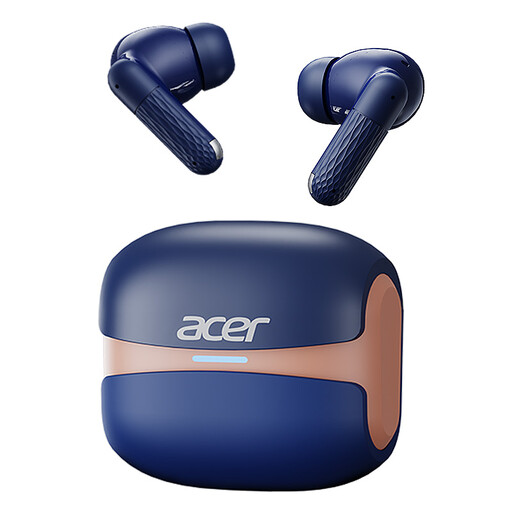 No image available
A wireless in-ear option for travelling; check in advance that it’s compatible with your playback device.
Bluetooth 5.4.
 No image available
An option to compare if you’re looking for wireless in-ears with active noise cancellation; check that the features suit your device and how you’ll use them.
True wireless; active noise cancellation.
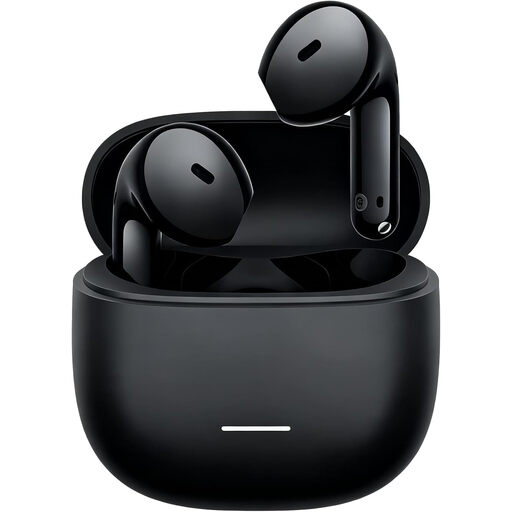 No image available
A wireless in-ear option for listening on the go; check in advance that it pairs with your playback device.
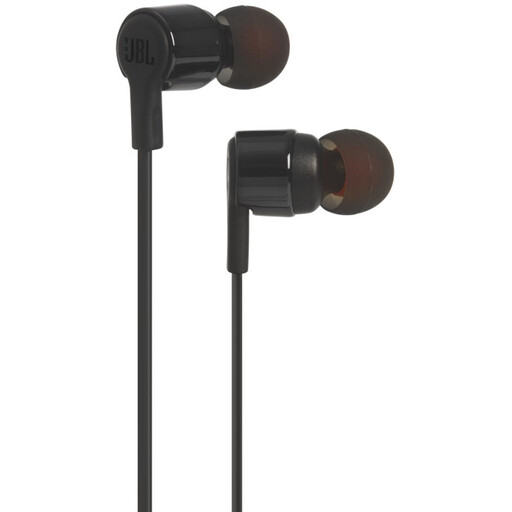 No image available
A wired option if you’re looking for in-ears with a 3.5mm connection; check that your device has the right socket.
3.5mm connection.
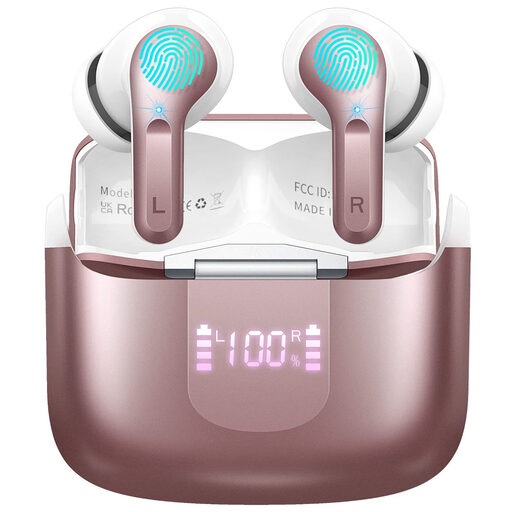 No image available
A wireless in-ear option if you want to listen without a cable; check compatibility with your playback device.
Bluetooth 5.4; 4 ENC microphones; IPX7; USB-C; quoted battery life of 48 hours.
No. Start with a good seal and a low volume rather than continually turning the sound up. The World Health Organization emphasises that both sound level and listening time matter, and points to well-fitting headphones as a way to reduce the need to turn the volume up in noisy environments.
Try the included tip sizes and materials, following the instructions for your model. Before buying a replacement cable, check the connector: Audio-Technica specifies A2DC for the ATH-E40 and Shure specifies MMCX for the SE215.
Before buying, check whether a compatible cable is available and which connector your model uses. For consumer purchases in the Netherlands, the seller is responsible for the statutory guarantee; according to the Dutch Government, there isn’t a fixed two-year statutory guarantee period for every product.
NS’s house rules require quiet in the quiet zone and state that you must not disturb others on the train with loud music. This refers to NS’s house rules and isn’t a general statement about a separate national law concerning the wearing of in-ear monitors.
Not necessarily. ACM ConsuWijzer explains that there are situations where the statutory cancellation period doesn’t apply, and that the seller must tell you about this before you buy. So check the terms that apply to the specific earphones you want to purchase in advance.