
Interview listener bothered by cabin noise
You want to follow spoken passages without constantly turning up the volume. Focus on tips that create a good seal and make speech clear at a comfortable volume.


Start with earphones that fit comfortably and seal well: the fit affects how much cabin noise gets through and whether you can follow speech at a comfortable volume. Then choose between options such as the deeper insertion Etymotic describes, an over-ear cable style like Shure’s, or a different fit and sound balance. Manufacturers’ isolation figures are not directly comparable flight-test results. Also check your playback device’s connection and follow the crew’s instructions.
You want to follow spoken passages without constantly turning up the volume. Focus on tips that create a good seal and make speech clear at a comfortable volume.
You wear your IEMs for hours at a time and want to be able to try different sizes, materials or wearing styles if they start to feel uncomfortable.
You don’t want to rely on a battery in your earphones. Check that the plug is compatible with the connection on the device your interviews are stored on.
| What to consider | What to look for | Who will value this most? |
|---|---|---|
| Cabin noise and seal | Try different tips and listen to speech at a comfortable volume. Don’t compare manufacturers’ attenuation figures as if they were measured under the same flight conditions. | I want to follow interviews without constantly turning up the volume; around 28% of consumers rank sound isolation as their top priority. |
| Comfort during long wear | Check which tip sizes and materials are included, and try the fit for longer than a short listening session. | If I wear earphones for hours, I want a fit that stays comfortable; around 22% of consumers prioritise comfort during extended wear. |
| Voice reproduction | Listen to a familiar interview clip at a comfortable volume. The Dutch Consumers’ Association includes speech clips in its headphone tests. | I want to follow spoken words naturally and clearly; around 22% of consumers choose speech reproduction as their main consideration. |
| Connection and power | Check the plug on the version you’re considering and the actual audio output on your phone or player. If necessary, see whether a suitable adapter is available. | I want to listen using a wired connection without relying on a battery in my earphones; around 17% of consumers focus mainly on finding a compatible connection. |
| Maintenance and terms | Check whether the tips and cable can be replaced, and read the returns information before opening any hygiene packaging. | I want to know how to replace the tips or cable and what terms apply; around 11% of consumers prioritise maintenance and after-sales support. |
The actual seal also depends on your ear canal and the tips you choose. Shure says isolation can vary with the fit; manufacturers’ figures are not a direct comparison for your flight.
Try tips that fit and assess a spoken clip at a comfortable volume, rather than relying only on the stated dB figures.
A plug will connect directly only if your device has the corresponding audio output. For example, the Shure SE215 and Sennheiser IE 200 models described here have a 3.5 mm connection, but that doesn’t tell you which connection your device has.
Before you travel, check the plug, your device’s output and whether you’ll need a suitable adapter.
ACM ConsuWijzer notes an exception to the cancellation period for hygiene products whose packaging has been opened.
Check the terms for the specific purchase before opening the packaging, and distinguish between the cancellation period and your statutory guarantee.
Not every flight has Wi-Fi. KLM states that audio streaming may require a WiFi Pass on flights where it is available.
Download your interviews in advance if you don’t want to rely on streaming during the flight. Keep the volume modest; the World Health Organization gives 60% of the device’s volume as a practical upper limit.
The ER2XR and ER2SE are wired IEM options with passive isolation. Etymotic gives an attenuation figure of 35–42 dB for both models and describes the ER2SE as having a flat tuning.
The SE215 is a wired model worn with the cable over the ear. It comes with several ear tips and a detachable cable with a 3.5 mm plug.
The IE 200 is a compact wired option with a 3.5 mm plug, an MMCX cable, and included silicone and memory foam ear tips.
The ZSN PRO X and ZS10 PRO are different wired hybrid IEM models; treat them as separate versions when comparing driver configurations.
The manufacturer describes the A20Pro as a wired hybrid IEM with ear hooks, a dynamic driver and a balanced armature driver.
These product picks are intended for wired listening. Check whether the USB-C or 3.5 mm connection is compatible with your playback device; a product feature does not guarantee a particular level of isolation during a flight.
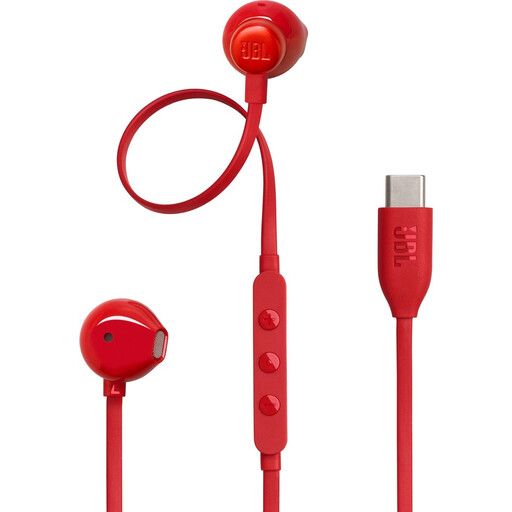 No image available
A wired option to consider if your device has USB-C and you’d like to try a speech-focused EQ preset.
USB-C connection, in-line controls with microphone and three EQ presets, including a vocal preset. Your device needs a USB-C audio connection.
 No image available
A wired option to consider if you have USB-C and want to try different fit accessories.
USB-C connection, remote control with microphone, three sizes of ear tips and two sizes of stability wings. Your device needs a USB-C audio connection.
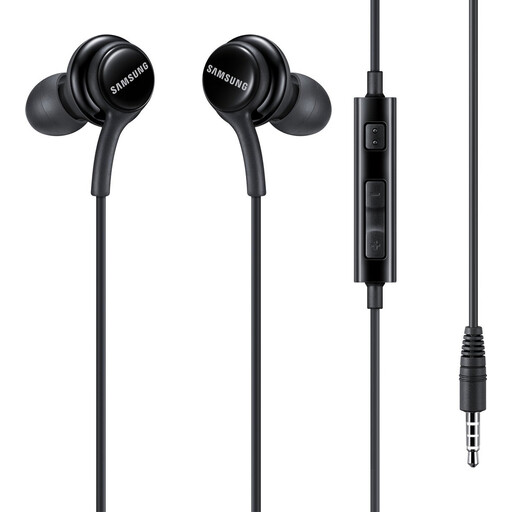 No image available
A wired option if your playback device has a 3.5 mm audio output.
3.5 mm connection. Check that your device has a compatible audio output.
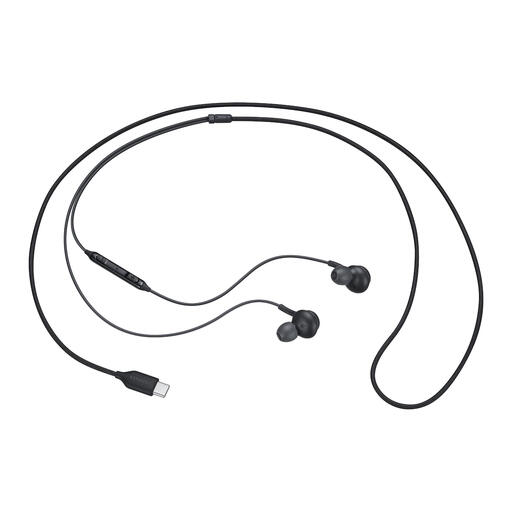 No image available
A wired option to consider if your device has USB-C and you want to try several sizes of ear tips.
USB-C connection, built-in DAC and a range of ear tip sizes. Your device needs a USB-C audio connection.
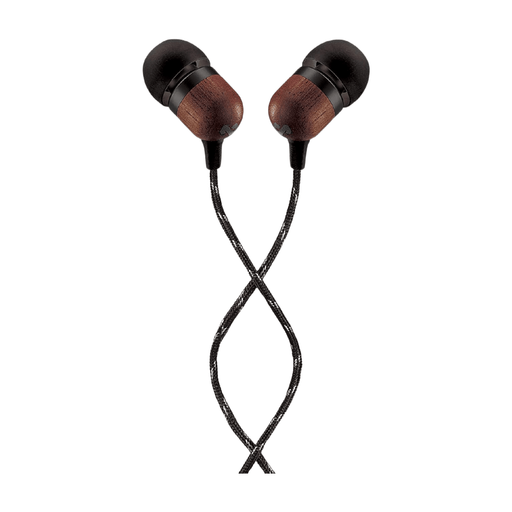 No image available
A wired option to consider if your device has USB-C and you want an in-line microphone.
USB-C connection, 9.2 mm driver and in-line microphone. The product description calls the design noise-isolating; check the fit and seal for yourself. Your device needs a USB-C audio connection.
No. A manufacturer’s rating doesn’t predict how well the tips will seal in your ears. Shure says that isolation depends on factors including your ear canal, the tip and the fit, so also assess a spoken clip at a comfortable volume.
Keep the volume modest. The World Health Organization gives 60% of your device’s volume as a practical setting, but this doesn’t guarantee that every device and IEM combination will sound equally safe.
Follow the crew’s instructions and your airline’s rules. The European Union Aviation Safety Agency explains that airlines generally ask passengers to put electronic devices in aeroplane mode; using wired IEMs doesn’t change the rules for your phone or player.
That’s a good idea if you don’t want to rely on streaming. KLM says that not every flight has Wi-Fi and that audio streaming may require a WiFi Pass on flights where it is available. Check the services offered by your own airline.
Not always. ACM ConsuWijzer says online purchases generally come with a 14-day cancellation period after delivery, and notes an exception for hygiene products whose packaging has been opened. Check the terms for the specific purchase before opening the packaging. This is separate from your statutory guarantee: ACM ConsuWijzer says that if a product breaks sooner than expected under normal use, the seller must put it right free of charge, for example by repairing or replacing it, or giving you a refund.