
Backing singer practising with tracks
You want to listen to cues, lyrics and your own backing part repeatedly. It’s important to choose a sound profile that suits your practice material and a compatible connection.


If your main aim is to follow cues and harmonies in practice tracks, start with an in-ear monitor that fits comfortably, sounds good with your material and connects to your playback device. To hear your own voice as well, you’ll need a suitable microphone and monitoring setup in addition to the earphones; save singing out loud for a suitable place outside the cabin. For long listening sessions, comfort, sensible volume levels and being able to hear crew announcements are just as important as a stated isolation rating.
You want to listen to cues, lyrics and your own backing part repeatedly. It’s important to choose a sound profile that suits your practice material and a compatible connection.
You want a comfortable seal and sensible volume levels during longer listening sessions, while still being able to hear crew announcements. VeiligheidNL notes that well-fitting earphones can help you keep the volume down.
You want to hear a vocal recording or monitor mix alongside the accompaniment. The microphone and audio chain need to be set up correctly too; Focusrite explains how a suitable interface can play an input signal and backing track with low monitoring latency.
Compare the monitor with your own practice material, then check that the fit, connection and way you listen are right for your flight.
Choose this if: you want to listen to offline practice tracks and your player has a compatible connection.
Trade-off: you won’t need a Bluetooth module, but you will need to manage the cable and may need an adapter. The seal can make announcements less audible.
Choose this if: you want to listen both wired and wirelessly, and the version you choose includes the Bluetooth module you need.
Trade-off: check the exact version and its charging requirements. Bluetooth alone doesn’t mean you can monitor your own voice directly.
Choose this if: the low, continuous drone of the engines is what bothers you most. Consumentenbond notes that active noise cancellation may help reduce deep vehicle noise.
Trade-off: check the battery and connection for each model, and make sure your set-up lets you play your practice track while still hearing announcements.
| What to consider | What should you check? | Who is this important for? |
|---|---|---|
| How clearly you can hear the vocal part | Listen to your own recording and check that your player can connect to the in-ear monitor. | I want to pick out cues and harmonies in my practice track clearly. Around 31% of consumers say following the vocal part is their top buying priority. |
| Cabin noise | Try the supplied eartips and check the seal; consider how you’ll continue to hear crew announcements. | I want to be less bothered by cabin noise without constantly turning the volume up. Around 25% of consumers prioritise reducing cabin noise. |
| Comfort during long listening sessions | Check which sizes and materials are included, and try the fit before you travel. | I want to wear the earphones for longer without them becoming uncomfortable. Around 25% of consumers put long-wearing comfort first. |
| Connection and vocal monitoring | Test the connection to your player and, if you want to hear yourself, check the microphone input and the complete monitoring setup too. | I want to make sure my practice material works or that my own voice is being fed through. Around 19% of consumers say connectivity or monitoring their own voice is their top priority. |
The seal and fit affect both the sound and how much you’ll want to turn up the volume. A manufacturer’s rating isn’t a measurement of your personal experience.
Try the supplied sizes beforehand and compare them with a familiar recording at a sensible volume.
The earphones only play what the connected audio chain sends them. To hear your own voice, you’ll also need a suitable microphone and monitoring setup.
First decide whether you only want to listen or also want to record or monitor, then test the entire chain.
Connections and features vary between playback devices and flights. Bluetooth earphones won’t automatically connect to the entertainment system.
Check the connection on your own device in advance, along with the options available on the entertainment system you plan to use.
Etymotic describes the ER2SE as a wired in-ear monitor for listeners looking for a flat sound profile.
The SE215 is a wired monitor with a detachable cable and several types of eartips included.
The IE 100 PRO family includes a wired monitor and a Wireless version with a detachable Bluetooth module.
The MP-120 is a wired in-ear monitor with a detachable MMCX cable.
The Pro X10 is a compact stage monitor; the AM Pro X10 is a separate version that lets ambient sound through.
This selection includes wired in-ear earphones with USB-C or 3.5mm connections, as well as wireless earphones with noise cancellation. Choose based on your playback device and whether you need a wired practice set-up.
 No image available
A good fit for practising from a USB-C device if you also want active noise cancellation.
The product description mentions QuietControl noise cancellation and multiple sizes of eartips; your playback device needs a compatible USB-C connection.
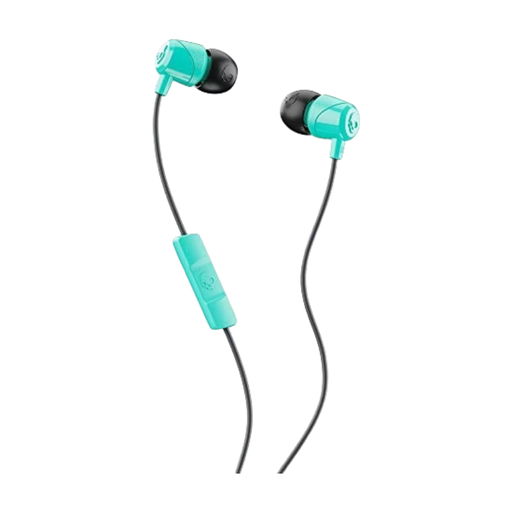 No image available
A good fit for wired practice from a player with a compatible 3.5mm output.
The product description mentions sound isolation and three pairs of silicone eartips; check that the fit works for you.
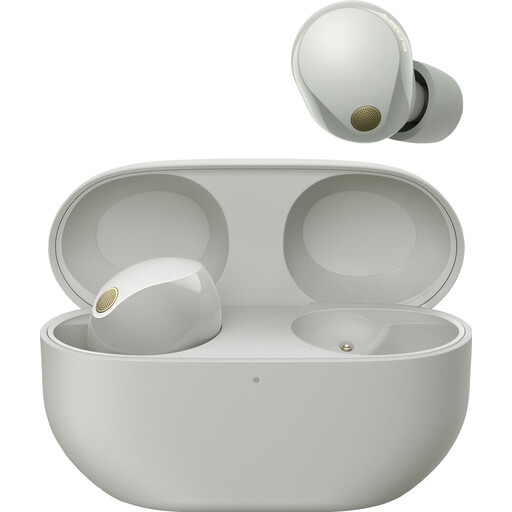 No image available
A good fit for practising wirelessly if you have a Bluetooth device and want to use active noise cancellation.
The product description mentions up to 24 hours of use with the charging case. You’ll need a charged set and a compatible Bluetooth device.
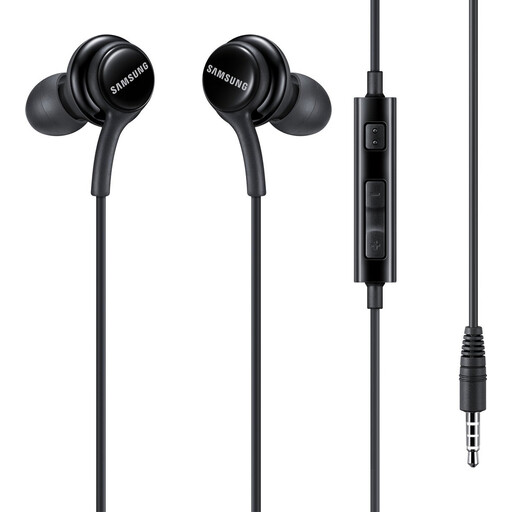 No image available
A good fit for playing practice tracks over a wired connection from a device with a 3.5mm socket.
Check that your playback device has a compatible 3.5mm audio output.
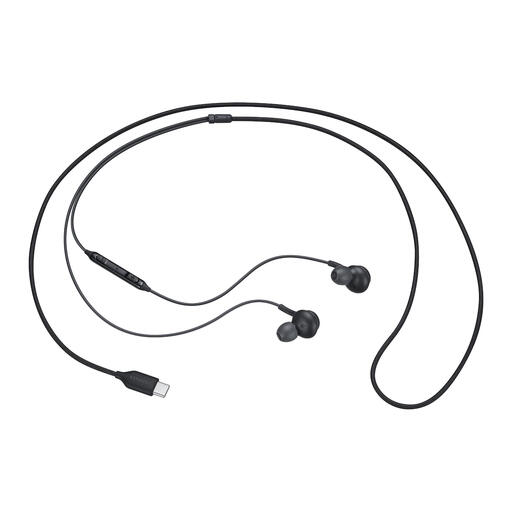 No image available
A good fit for wired practice from a USB-C device.
The product description mentions a built-in DAC, two-way speakers tuned by AKG and multiple sizes of eartips. Check that your device has a compatible USB-C connection.
No, not unless a vocal signal is being sent to the earphones. You’ll also need a microphone and a suitable monitoring setup to record or monitor your voice directly. Focusrite explains how a suitable interface can play an input signal and backing track with low monitoring latency; test the whole set-up beforehand.
Try the supplied eartips beforehand and check the seal. Follow the instructions for fitting and cleaning your model; for the SE215, Shure warns, among other things, against pushing an eartip past the opening of the ear canal. The World Health Organization advises keeping the volume to no more than 60% of the maximum and taking listening breaks.
Not automatically: according to EASA, airlines decide when certain portable electronic devices may be used, and the crew may restrict their use. Follow the instructions on board and check whether your flight’s entertainment system works with your earphones.
If the product is faulty, you can hold the seller responsible for your right to a product that is fit for purpose. According to the Rijksoverheid, there is no fixed statutory warranty period for all products in the Netherlands. For online purchases, the Autoriteit Consument & Markt says you’ll generally have a 14-day cooling-off period, subject to legal exceptions; this is separate from your rights if a product is faulty.
The European Commission’s Radio Equipment Directive provides a regulatory framework for radio equipment on the EU market. This doesn’t, by itself, establish that a specific version meets all applicable requirements; check the product information for the exact model.