
Listening alongside a roommate
You want to hear a soundtrack while someone else rests in the same bedroom. Shure highlights the importance of a good seal; a claim about noise isolation alone doesn’t tell you how much sound leaks out.


Start with a comfortable seal so you can listen at a pleasant, low volume. Then choose between a more neutral sound and stronger bass. Check that the connection and supplied ear tips suit you, too: noise isolation tells you nothing about how much sound your roommate can hear.
You want to hear a soundtrack while someone else rests in the same bedroom. Shure highlights the importance of a good seal; a claim about noise isolation alone doesn’t tell you how much sound leaks out.
You listen for subtle instruments as well as powerful film music, and want to choose between a more neutral sound and stronger bass. Etymotic describes the ER2SE as having a flatter tuning and the ER2XR as having stronger bass.
You want your earphones to stay comfortable, so you pay attention to the fit, supplied ear tips and whether the cable can be replaced. The Shure user guide notes that the seal can affect bass response.
| What to consider | What should you look for? | Who is this most important for? |
|---|---|---|
| Seal and comfortable listening | Check the sizes of the supplied ear tips and assess the seal at a comfortable, low volume. A quoted level of noise isolation is not a measurement of how much sound reaches someone else. | If you’re listening next to a roommate, you don’t want to have to turn the volume up to drown out background noise; around 31% of consumers prioritise a comfortable seal. |
| Sound balance | Compare the tuning of the exact model. Etymotic distinguishes the ER2SE and ER2XR mainly by their low-frequency response. | If you want to weigh up subtle passages and powerful film music, your preference for a more neutral sound or more bass is key; around 31% of consumers put sound balance first. |
| Comfort | Check which sizes and materials of ear tips are included with the exact model, and whether you find the fit comfortable over longer periods. | For longer listening sessions, you want a good seal without the earphones becoming uncomfortable; around 23% of consumers give comfort top priority. |
| Connection and cable | Check the output on your playback device and whether the plug, cable connector and any replacement parts are compatible with the model. | If you want to connect without an extra adapter or be able to replace the cable, the connection and choice of parts are crucial; around 15% of consumers prioritise these points. |
The quoted isolation rating refers to sound from outside reaching your ear. It is not the same as measuring how much sound leaks out at your listening volume.
Choose a comfortable seal, listen at a controlled volume and assess sound leakage separately in the shared room.
The models mentioned use different connections, including MMCX and 0.78mm-2pin. A detachable cable is therefore not automatically interchangeable with one from another model.
Before buying, check the connector on the exact model, the output on your player and which replacement parts are compatible.
According to Shure’s user guide, a poor seal can reduce bass response.
Try a suitable supplied ear tip first before attributing the sound to the earphones’ tuning.
The SE215 is a wired option to compare if replaceable ear tips and a detachable cable matter to you.
The ER2SE and ER2XR are options to compare if you’re looking for a deeper seal and a considered choice of sound.
The IE 200 is an option to compare if you’re looking for a sound the manufacturer describes as balanced and a detachable cable.
The FH3 is worth comparing if a hybrid driver design and a detachable cable suit your needs.
The CHU II is a wired option to compare if replaceable acoustic filters appeal to you.
This selection includes wired and wireless in-ear options for listening to soundtracks. In particular, check that the connection and fit suit your equipment and listening environment.
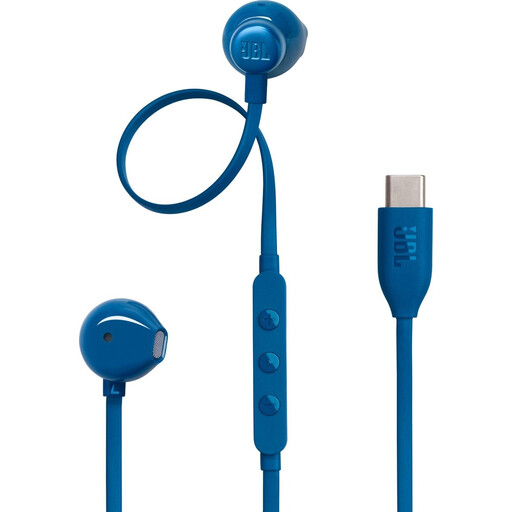 No image available
A wired option to compare if you prefer listening through a cable; check that the connection is compatible with your playback device.
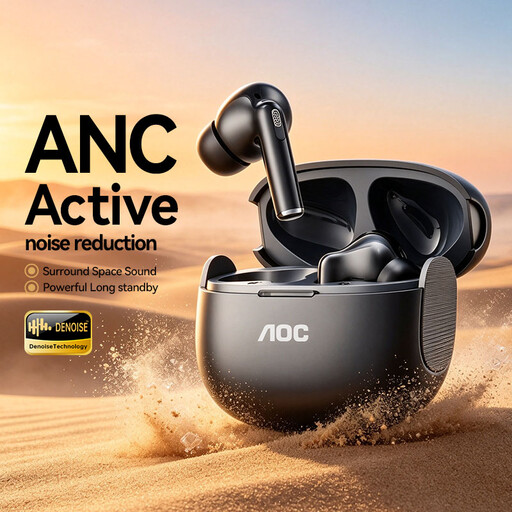 No image available
A wireless option with ANC to compare; consider the fit and controls for the way you plan to use them.
The product name mentions active noise cancellation.
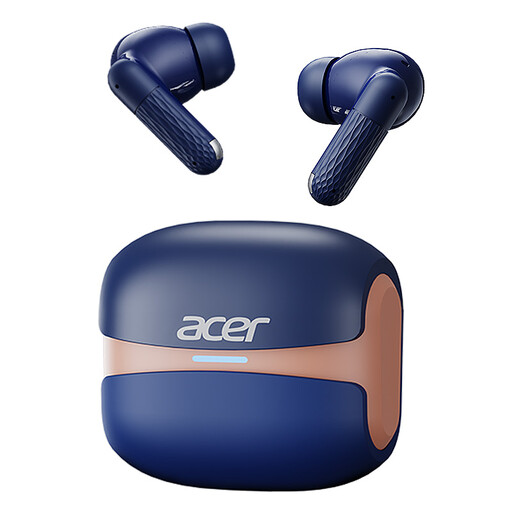 No image available
A wireless option to compare if you want to listen without a cable; check that the connection method is compatible with your playback device.
The product name mentions Bluetooth 5.4.
 No image available
A true wireless in-ear option to compare if you want to adjust the sound; check which features are available on this version and suit the way you’ll use it.
The product name mentions active noise cancellation.
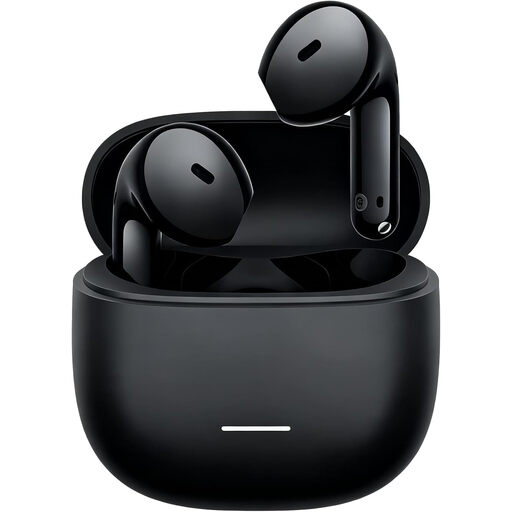 No image available
A wireless in-ear option to compare if you want to assess the fit with different ear-tip sizes; check which sizes are included with this version.
No. Start at a low volume and check the seal first, rather than turning the sound up to drown out background noise. The World Health Organization points out that both sound level and listening duration matter when it comes to the risk of hearing damage; this is health advice, not a Dutch legal noise limit.
First, try a suitable supplied ear tip and check that it’s securely fitted. Shure notes that a poor seal can reduce bass response; for other models, follow the manufacturer’s instructions.
For models with a detachable cable, check whether a replacement cable with the correct connector is available; connectors aren’t automatically interchangeable. In the Netherlands, the retailer must provide a solution for a faulty product. According to the Dutch government, there is no fixed statutory warranty period of two years in the Netherlands.
For eligible online consumer purchases, you generally have a statutory 14-day cooling-off period after delivery. ACM ConsuWijzer mentions an exception for hygiene products that have been removed from their packaging, but doesn’t establish that every in-ear monitor falls into this category. Before opening the packaging, check the retailer’s information for the exact product; don’t assume you have an unconditional right to return it after use.
No. According to the European Commission, a manufacturer uses the relevant CE marking to indicate that a product meets the applicable requirements; the logo doesn’t mean that an EU body has separately approved it as safe. The requirements that apply depend on the version. For radio equipment, such as a Bluetooth version, the Commission describes the framework set out in the Radio Equipment Directive.