
Groove analyst
You listen to a recording repeatedly to pick out the kick, snare and subtle timing differences, without playing drums loudly yourself. Sennheiser describes the IE 100 PRO as a monitor for this type of listening.


When studying a recording, a well-fitting in-ear monitor with a connection that suits your playback source is a sensible starting point. It lets you assess the kick, snare and timing accents at a low volume. If you’re playing along on an electronic drum kit, check the module’s wired output and bear in mind that audible tapping and pedal vibrations may still be heard; in-ear monitors won’t make an acoustic drum kit quiet for your roommate. The World Health Organization points out that listening time and repeated exposure matter too, and a manufacturer’s isolation claim does not guarantee a personal fit or level of noise reduction.
You listen to a recording repeatedly to pick out the kick, snare and subtle timing differences, without playing drums loudly yourself. Sennheiser describes the IE 100 PRO as a monitor for this type of listening.
You play along to a recording on an electronic drum kit, so you need to consider both the headphone connection and any audible tapping or pedal vibrations. Roland notes that some noise and vibration may still occur with the TD-02K and TD-02KV kits discussed here.
You wear in-ear monitors during longer sessions and value a comfortable, secure fit and easy maintenance. Shure provides cleaning advice for its own earphones; for other models, follow the relevant manufacturer’s instructions.
Best suited when: you mainly listen to a groove and your playback source has a suitable headphone output.
Bear in mind: fit varies from ear to ear; a stated maximum isolation level doesn’t measure the noise reduction you’ll get.
Best suited when: the module has a compatible wired headphone output and you want to follow the groove as you play.
Bear in mind: Roland says the TD-07KVX does not support Bluetooth earphones; pads and pedals may also remain audible to others.
Best suited when: you need to assess the direct sound of the drums yourself, while considering fit, background noise and listening volume separately.
Bear in mind: in-ear monitors won’t make an acoustic drum kit quiet for your housemate.
| What to consider | What should you check? | Who is this important for? |
|---|---|---|
| Groove details | Use your own playback source to listen for the kick, snare and softer accents; start at a low volume. | If you listen to a recording repeatedly, you’ll want to follow timing details without constantly turning the volume up. Around 36% of shoppers in this situation prioritise groove details. |
| Noise for housemates | Check what a housemate can hear with your actual practice setup, including pads or pedals. | If you share a bedroom, you’ll want to know whether your practice will disturb others; in-ear monitors don’t eliminate mechanical drum noise. Around 29% of shoppers prioritise keeping things quiet for housemates. |
| Fit and seal | Check which sizes and materials of ear tips are included, and whether they feel comfortable in your ears. | For repeated or longer listening sessions, you’ll want a comfortable, secure seal that suits your ears. Around 21% of shoppers put comfort and fit first. |
| Connection and cable | Compare your source’s output with the plug and any adapter; when replacing a cable, check the exact cable type. | If you practise with an existing phone, computer or drum module, you’ll want to make sure the connection is compatible and that any replacement cable suits the model. Around 14% of shoppers prioritise connectivity and maintenance. |
In-ear monitors keep playback sound close to your ears, but they won’t make an acoustic drum kit quiet. Electronic pedals can also cause noise and vibrations.
Ask your roommate to assess what they can hear while you play the groove you have in mind; don’t treat earphones as soundproofing for the room.
Receiving Bluetooth audio doesn’t automatically mean a module can connect to Bluetooth earphones. Roland says the TD-07KVX does not support Bluetooth earphones.
Check the manual for your exact module, and look separately at its Bluetooth audio function and headphone output.
You may need a wired connection or a suitable adapter if your source doesn’t have a connection that matches your earphones.
Manufacturers may state a maximum isolation level, but this doesn’t tell you how much noise will be reduced with your fit. The volume setting and listening time matter too.
Try ear tips that fit, keep the volume low and, when playing drums loudly, assess your overall sound exposure separately.
The models mentioned use connections including MMCX and A2DC. A detachable cable won’t necessarily fit every other model.
Before buying a replacement cable, check the connection on your exact monitor.
If you need to replace a cable, you may need a part designed to fit your specific model.
The wired SE215 Special Edition UNI is a universal in-ear monitor supplied with a range of fit options.
The wired IE 100 PRO is described as having a dynamic driver and silicone and foam ear tips.
The wired ATH-E40 is a monitor with a 3.5mm plug and a supplied 6.3mm adapter.
The wired MP-120 comes with foam, silicone and dual-flange ear tips in several sizes.
These Joybuy products include wired and wireless in-ear earphones for listening to drum grooves privately. If you’re playing along on an electronic drum kit, check that the connection on the version you choose suits the module.
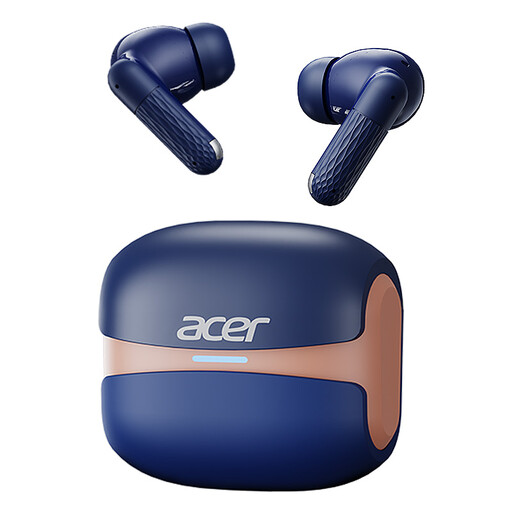 Image unavailable
For listening to a drum groove privately; check that wireless audio works with your playback source.
The product name mentions Bluetooth 5.4 and a USB-C charging case.
 Image unavailable
For personal listening to a drum groove; check for yourself whether they fit your ears.
The product name mentions a true wireless design and Active Noise Cancelling.
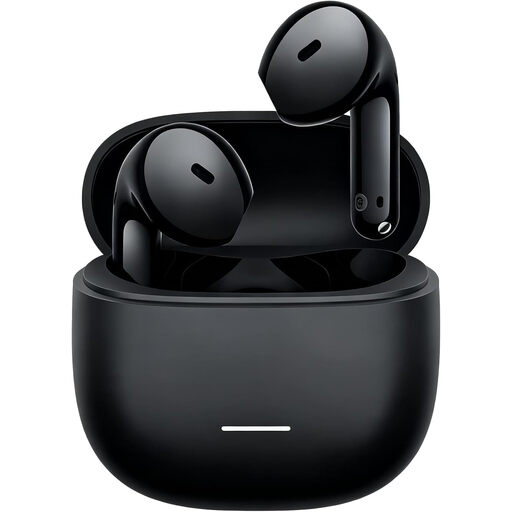 Image unavailable
An option for listening to drum grooves privately; check that the connection is compatible with your playback source before buying.
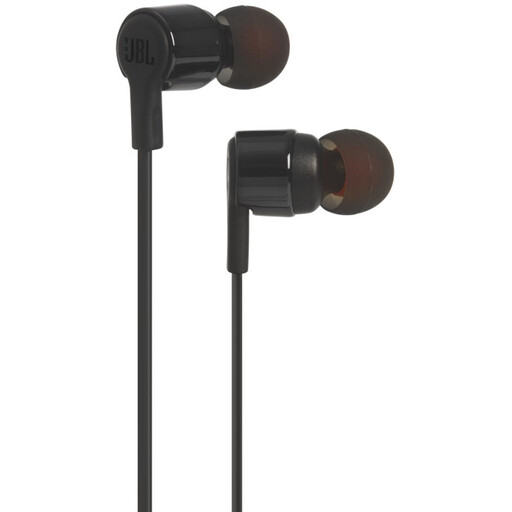 Image unavailable
A wired option for listening to a drum groove with your own playback source; check that the source has a suitable connection.
The product name mentions a 3.5mm connection and a microphone.
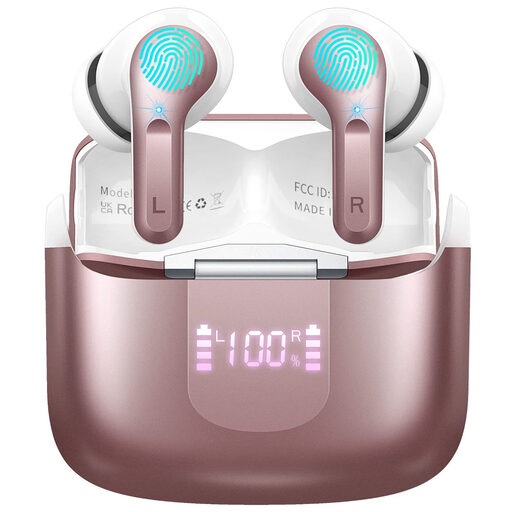 Image unavailable
For following a drum groove through a personal listening connection; check that your playback source supports the connection you need.
The product name mentions Bluetooth 5.4, USB-C, IPX7, four ENC microphones and a stated battery life of 48 hours.
No, in-ear monitors won’t make the practice room quiet for others. With the electronic drum kits discussed by Roland, pedal noise and vibrations may still occur; an acoustic drum kit will also remain audible. So assess your actual setup and what a housemate can hear.
Not without checking the capabilities of your exact module. Roland says the TD-07KVX can receive Bluetooth audio but does not support Bluetooth earphones; you’ll need a wired headphone connection with this module.
Start at a low volume, and consider listening time and repeated exposure too. The World Health Organization points out that volume, duration and frequency of exposure all matter; a manufacturer’s isolation claim cannot determine your personal exposure.
First, check the ear tip and opening for dirt. For its own earphones, Shure recommends pointing the opening downwards while cleaning and not pushing the cleaning tool further inside; for another model, follow the manufacturer’s instructions.
Using in-ear monitors alone doesn’t tell you what arrangements apply in your bedroom. The Dutch government advises people dealing with noise nuisance to agree on arrangements together first; you should also consider the rules and circumstances that apply to your home.