
Easily distracted office listener
You want to study a drum groove while conversations compete for your attention. Start with fit and seal; turning the volume up is no substitute for a well-fitting ear tip.


First, choose earphones that create a good seal in your ears, so you can follow the groove without turning the volume up to drown out office noise. Then compare the sound, comfort during longer listening sessions and compatibility with your playback device. A stated maximum attenuation figure won’t tell you how well a model will fit you.
You want to study a drum groove while conversations compete for your attention. Start with fit and seal; turning the volume up is no substitute for a well-fitting ear tip.
You replay sections to follow the kick, snare and timing. Compare the sound using a music clip of your own rather than relying on an isolation rating alone.
You wear earphones during longer listening sessions and pay attention to the ear tips provided, pressure in your ears and whether the cable can be replaced.
First check the seal and fit, then listen to the groove at a controlled volume and finally make sure the connection is compatible with your device.
| What to consider | What to look for | Who should prioritise this? |
|---|---|---|
| Seal against office noise | Try the sizes and materials provided; don’t treat attenuation figures as directly comparable office tests. | If conversations distract me, I want an ear tip that fits well before I turn up the volume. Around 36% of consumers prioritise reducing office distractions. |
| Detail in the groove | Compare the same recording at a similar, controlled volume; a brand’s description of the sound isn’t an independent listening test. | To distinguish the kick, snare and timing, I want to hear how a monitor sounds with a clip of my own. Around 29% of consumers prioritise detail in the groove. |
| Fit during longer sessions | Check which sizes and materials are included, and find out which returns policy applies before you buy. | For longer listening sessions, I want a fit that stays comfortable; a specification can’t replace assessing the fit for yourself. Around 21% of consumers focus mainly on comfort. |
| Connection and replaceability | Check the connection to your device and the cable connection to the earphones; A2DC, MMCX and 0.78-mm-2pin are different types of connection. | If I need a wired connection or want to be able to replace the cable, it must fit the exact model and device. Around 14% of consumers prioritise connectivity or maintenance. |
Manufacturers quote figures for specific models, but how well they fit your ears affects how much surrounding noise you hear.
Start with an ear tip that fits well. Don’t compare quoted figures as if they were measured in the same office conditions.
According to the World Health Organization, the risk to your hearing increases when you listen louder and for longer.
Check the seal first and keep the volume controlled, especially when replaying clips.
The models mentioned use connections including A2DC, MMCX and 0.78-mm-2pin; these are not interchangeable.
Check the connection on the earphones and the plug at the playback-device end. If you need a replacement, you’ll need a cable that fits the exact model.
A replacement cable may therefore be model-specific; check the connection before choosing a cable.
ACM ConsuWijzer lists exceptions to the usual cooling-off period, including certain unsealed hygiene products and made-to-measure products.
Before buying, read the terms that apply to the product and its packaging, especially if fit is a deciding factor.
If an exception applies, you may not be able to rely on the usual cooling-off period.
The wired SE215 is worth considering if you’re looking for a universal monitor supplied with a range of ear tips.
The ER2XR is designed for listeners who want to assess passive isolation and the bass emphasis described by the manufacturer.
The wired IE 100 PRO is a monitor worth comparing if you want to try different types of ear tip.
The ATH-E40 is worth considering if you’re looking for a monitor with a detachable cable and several sizes of silicone ear tip.
The MP-120 is worth considering if you want to compare a monitor with a detachable MMCX cable and different types of ear tip.
This selection includes wireless in-ear earphones with noise cancelling, as well as wired options for studying a groove. Check that each model’s connection suits your device and how you plan to use it.
 No image available
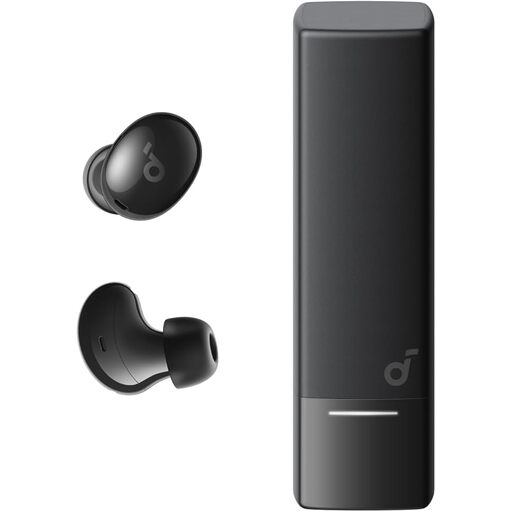
An option to consider if you want to listen wirelessly while studying and are looking for active noise cancelling.
True Wireless earphones with active noise cancelling.
 No image available
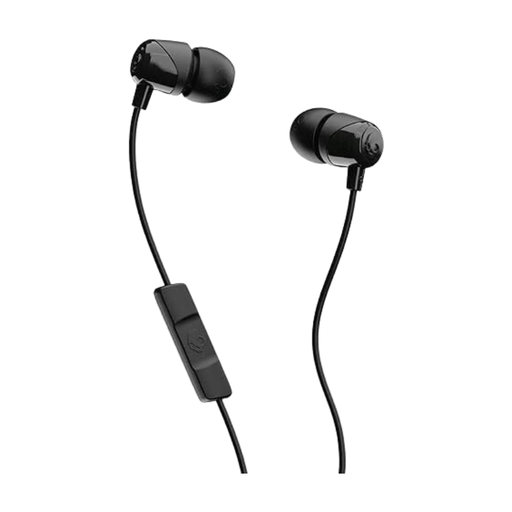
A wired option to consider if your playback device has a 3.5-mm connection.
The product name mentions a microphone. Check your device’s connection before choosing.
 No image available
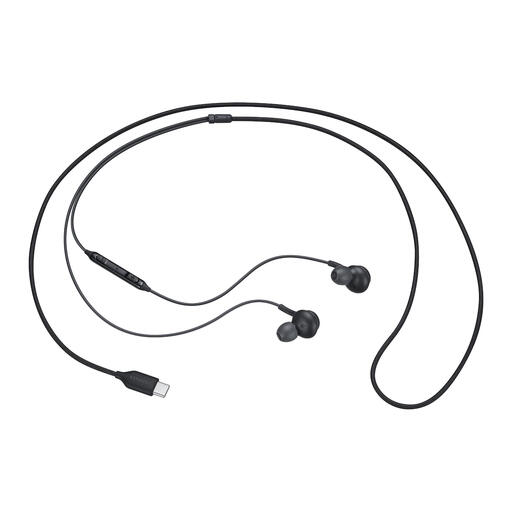
May suit you if you want to listen over a wired connection and your device has a compatible USB Type-C port.
Wired in-ear headset with a USB Type-C connection.
 No image available
A wireless option to consider if you’re looking for noise cancelling and want to listen without a cable.
The product name mentions noise cancelling; check that a wireless connection suits the way you study.
 No image available
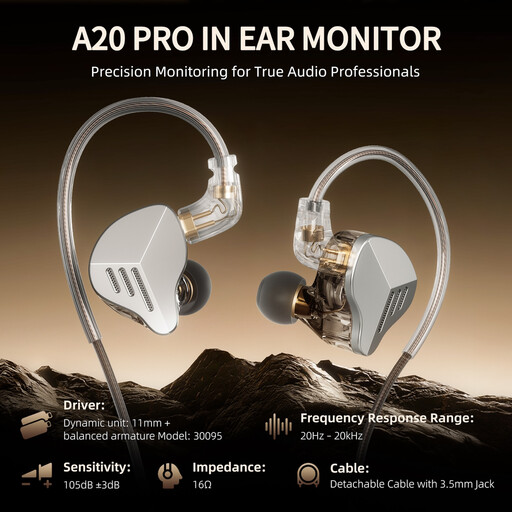
An option to consider if you’re looking for a wired in-ear monitor for replaying drum grooves.
Keep the volume moderate, especially during longer listening sessions.
No. The figures Shure, Etymotic and Mackie quote for specific models don’t measure how well an ear tip fits your ears or how many conversations you’ll hear in the office. Start with the fit and compare the sound using a clip of your own.
First check the connection on your playback device, then the connection on the exact monitor model. Audio-Technica lists a 3.5-mm plug and A2DC connection for the ATH-E40; the Mackie MP-120 uses MMCX at the earphones. Use a compatible cable for replacement and follow the product instructions for changing the ear tips and cleaning.
Check the seal first and keep the volume controlled. The World Health Organization says both sound level and listening duration matter. As an example, it gives an average of 80 dB for up to 40 hours a week; this isn’t a guaranteed safe setting for every device or listener.
No, don’t assume that. According to ACM ConsuWijzer, online purchases usually come with a 14-day cooling-off period after delivery, with some exceptions, including made-to-measure products and hygiene products whose packaging has been opened. Before buying, check how the rules apply to the product and its packaging.
No. According to ACM ConsuWijzer, the statutory guarantee for consumer purchases depends on what you could reasonably expect from the product under normal use. If the product is faulty, the seller is responsible for providing an appropriate solution; any manufacturer’s warranty does not replace your statutory rights.