
Listeners who want to block out coach noise
If engine and passenger noise drown out quiet passages, a secure, well-sealing fit is an important consideration.


Start with an in-ear monitor that seals well and works with your playback device, then compare its sound using orchestral recordings you know. Etymotic and Shure quote passive noise-isolation figures for specific models, but the seal and comfort also depend on how well they fit your ears. Adjustable bass gives you a choice, but keep the setting the same to compare recordings fairly.
If engine and passenger noise drown out quiet passages, a secure, well-sealing fit is an important consideration.
If you want to judge the differences between performances, pay attention to the sound tuning and keep your listening settings consistent.
For extended listening, both a comfortable fit and a connection that works with your playback device matter.
| What to consider | What to look for when buying | Who should give this more priority? |
|---|---|---|
| Blocking out coach noise | Check the available ear tip sizes and assess the seal in both ears. Also make sure you can still hear important announcements. | If I want to compare quiet passages on the coach, I need the earphones to seal well without blocking out important announcements; around 31% of consumers give sound isolation top priority. |
| Sound balance | Compare familiar clips with the ear tips in the same position and at a similar volume. Don’t treat manufacturers’ sound descriptions as independent listening tests. | When comparing orchestral performances, I want to keep the sound settings consistent; around 31% of consumers prioritise repeatable sound comparisons. |
| Fit on long journeys | Check which sizes and materials are included, and whether the earphones feel comfortable while still sealing well. | On a long journey, I want a seal that doesn’t become uncomfortable during extended listening; around 23% of consumers give comfort and fit top priority. |
| Connection and maintenance | Check that the plug fits your playback device and find out which cables or parts are compatible with the exact version. | When using my own playback device, I want to know in advance whether the connection will fit and which parts can be replaced; around 15% of consumers prioritise connection and maintenance. |
Manufacturers quote noise-isolation figures for specific models, but the seal varies depending on the fit. So a quoted figure won’t tell you exactly how much surrounding noise you’ll hear on your journey.
Check the available ear tip sizes and assess both the seal and comfort before relying on a noise-isolation claim.
According to Sennheiser, the position of the ear tips on the IE 200 affects how much bass you hear. Changing the position between clips can therefore affect your comparison.
Use the same ear tip position and fit for both recordings.
Wired models may use different plugs and connections for replaceable parts. If the connection isn’t compatible with your playback device, you may need a suitable solution or accessory.
Check your device’s connection and identify replacement parts by the connector on the exact version.
Depending on the version you choose, you may need a suitable adapter, a different set of ear tips or a replacement cable.
The ER2SE and ER2XR show two different bass tunings in a wired in-ear range.
The SE215 is a wired in-ear model supplied with a fit kit and a detachable MMCX cable.
The IE 200 has a wired 3.5 mm connection and lets you choose the position of the ear tips.
The HEXA is a wired in-ear monitor with one dynamic driver and three balanced armature drivers.
The CHU II is a wired in-ear model with a 3.5mm plug, a 0.78mm 2-pin connection and replaceable acoustic filters.
These Joybuy picks are in-ear earphones for listening on the go. The selection includes both wireless and wired models, so check that the connection suits your playback device and comparison set-up.
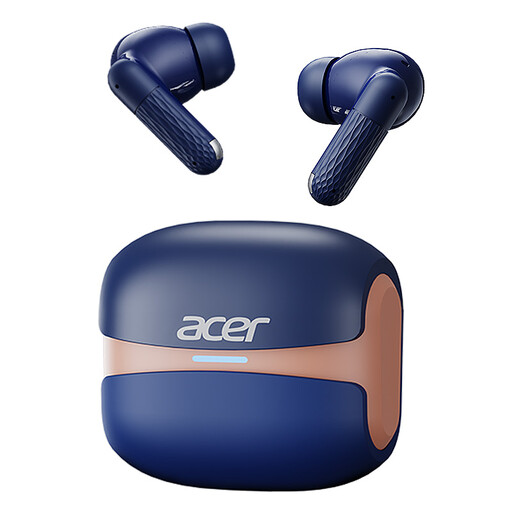 No image available
A wireless option if you don’t want a cable running to your playback device while you listen.
Bluetooth 5.4; Type-C charging case.
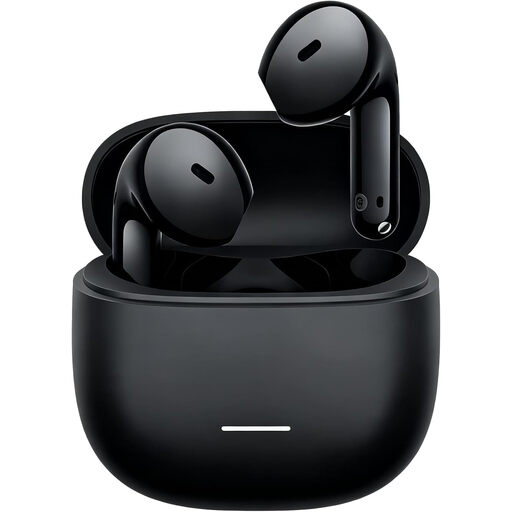 No image available
A wireless option for listening on the go; check that Bluetooth is compatible with your playback device.
Bluetooth 5.4; 14.2 mm driver; IP54 rating for the earphones.
Quoted playback time: up to 7 hours per charge and 37 hours with the charging case.
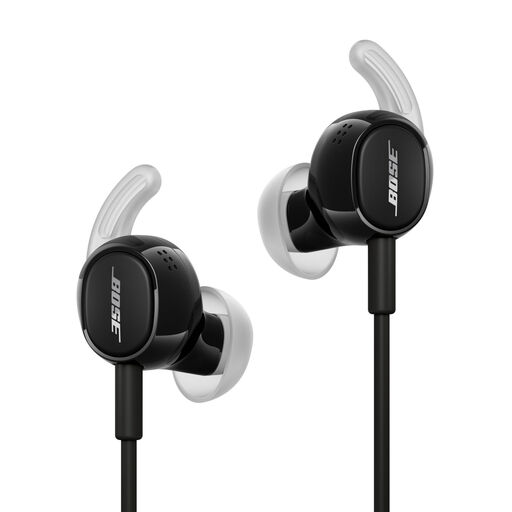 No image available
A wired option if your playback device has a compatible USB-C connection.
USB-C connection; the product description lists three sizes of ear tips and two sizes of stability bands.
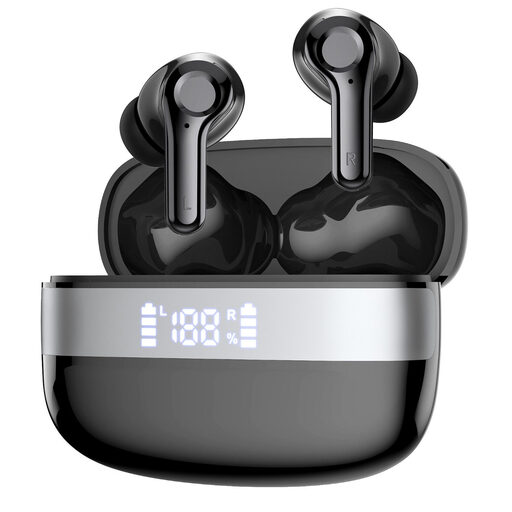 No image available
A wireless option if you don’t want a cable running to your playback device while you listen.
Bluetooth 5.4; USB-C; quoted playback time of 6–8 hours.
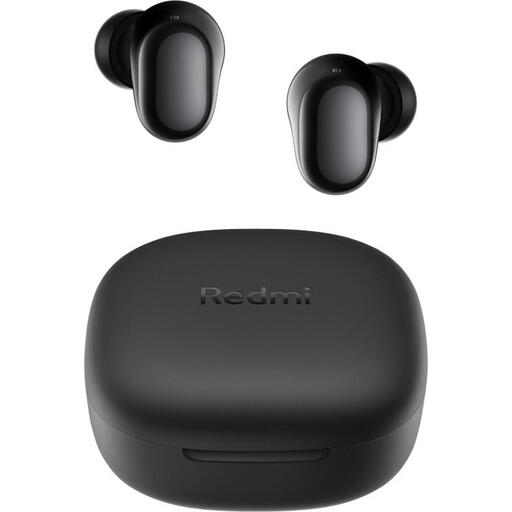 No image available
A wireless option for listening on your mobile; check that Bluetooth is compatible with your playback device.
Bluetooth 5.4; 10 mm driver; additional ear tips in sizes S and L.
Quoted playback time: up to 7.5 hours per charge and 36 hours with the charging case.
No. The World Health Organization points out that both sound level and listening time matter, and gives 80 dB for up to 40 hours a week as an example of safe listening. A quoted noise-isolation figure doesn’t measure the volume in your ear.
Use the same earphones, fit and settings for both clips. According to Sennheiser, the position of the ear tips on the IE 200 affects how much bass you hear, so don’t change their position between recordings.
Check that the earphones’ connection is compatible with your playback device. The product information for the Shure SE215, Sennheiser IE 200 and MOONDROP CHU II lists a 3.5 mm plug; if your device has a different connection, check which solution is right for it.
No, not always. ACM ConsuWijzer explains that online purchases generally come with a 14-day cooling-off period, and notes an exception for hygiene products that have been removed from their packaging. Before opening the product, check whether this exception and the returns policy apply to its packaging.
No. According to the Dutch government, there is no fixed statutory guarantee period in the Netherlands: what matters is what you can reasonably expect from the product. If there’s a fault covered by the legal guarantee, the retailer is your point of contact.