
Listening in a quiet library
You want to listen to a recording without turning the volume up unnecessarily or disturbing other people. So pay attention to the fit of the tips, the seal and your listening volume.


Start with in-ear earphones that fit well and listen at a modest volume. Then choose a sound balance that lets you follow the parts in your own recordings. A model described as having a flatter or balanced sound can provide a point of comparison, but manufacturer specifications don’t prove that you’ll find chords easier to recognise or that no sound will leak out to other people.
You want to listen to a recording without turning the volume up unnecessarily or disturbing other people. So pay attention to the fit of the tips, the seal and your listening volume.
You compare chord notes and parts in existing recordings and want a sound balance that works for you. A manufacturer’s description isn’t proof that you’ll recognise chords more accurately.
You wear earphones for longer stretches and want tips that fit well, a suitable connection and parts that, according to the product information, can be replaced or cleaned.
| What to consider | What should you check? | Who is this important for? |
|---|---|---|
| Seal and quiet listening | Compare the included tip sizes and, at your usual modest listening volume, check whether someone sitting next to you can hear your music. | When I listen in a quiet library, I want tips that fit well so I don’t drown out the sounds around me. Around 36% of consumers prioritise a good seal and being considerate of a quiet environment. |
| Sound balance | Listen to the same familiar recording at a comfortable volume and judge for yourself whether you can follow the different parts. | When I’m trying to pick out chord notes in my own recordings, I want to be able to follow how the parts sound. Around 29% of consumers prioritise sound balance for following chord notes. |
| Fit for longer listening sessions | Check which tip sizes are included and start with a short listening session; don’t turn up the volume to compensate for discomfort. | For longer listening sessions, I want tips that remain comfortable. Around 21% of consumers put comfort during extended listening first. |
| Connection and maintenance | Check your device’s output and the connection on the earphone; when looking at replacement parts, also check they’re compatible with the exact model. | When I’m looking for a suitable connection and replaceable parts, I want to make sure the cables and connections match. Around 14% of consumers give connection and maintenance top priority. |
The noise-isolation figures quoted by Etymotic for the ER2SE and by Shure for the SE215 refer to blocking out ambient noise. They don’t measure how much sound your earphones let someone sitting nearby hear.
Choose tips that fit well and check whether your music is audible to someone next to you at a modest volume.
Models can use different connections on the earphone, including A2DC and 0.78mm two-pin connectors. So a detachable cable won’t necessarily be a suitable replacement for every model.
Check both the plug for your playback device and the exact connector for the model you’ve chosen.
You may need a replacement cable that fits your chosen model or an adapter for your playback device.
ACM ConsuWijzer notes an exception to the cooling-off period for hygiene products that have been removed from their packaging. Whether this exception applies depends on the specific product and purchase.
Before buying and opening the product, read the seller’s product and returns information. The cooling-off period is not the same as your statutory warranty rights if a product is faulty.
The ER2SE is worth comparing if you’re looking for a tuning described as flat; according to Etymotic, the ER2XR is the version with extra bass.
The IE 200 is a wired option to compare if you’re looking for a sound described by the manufacturer as balanced.
The SE215 is worth considering if you want to compare tip materials and a detachable cable.
The ATH-E40 is worth comparing if you’re looking for several silicone tip sizes and a detachable cable.
The CHU II is a straightforward wired option to compare for fit, connection and your personal sound preferences.
These Joybuy picks include in-ear earphones for listening to recordings. Check the connection and fit for each model, and make sure the listed features suit the way you listen.
 No image available
A wireless option for listening to recordings through in-ear earphones; the product title lists ANC and Bluetooth 6.0.
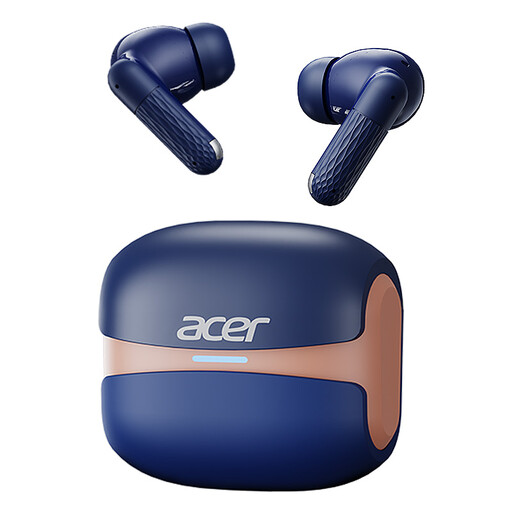 No image available
A wireless in-ear option for playing recordings; the product title lists Bluetooth 5.4.
 No image available
A true wireless in-ear option for listening to recordings; the product title lists active noise cancellation.
 No image available
A wired option for listening to recordings through earphones. The USB-C connection requires a compatible audio output on your playback device.
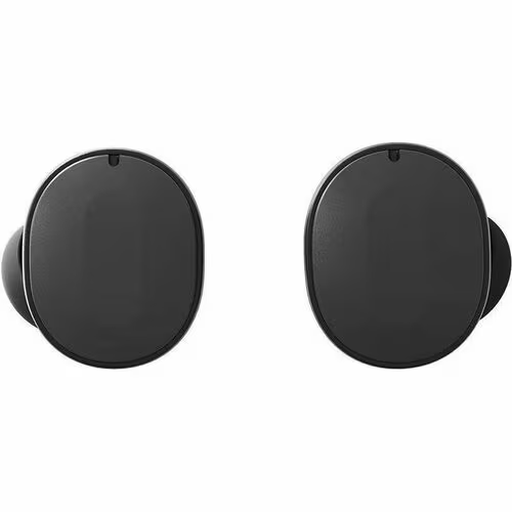 No image available
An in-ear option for listening to your own recordings; compare the sound for yourself with what you need when working out chords.
No. The product pages referenced describe sound reproduction and tuning, not a feature that automatically identifies chords. Use the earphones to listen to a recording yourself; there’s no evidence that a particular model makes chords demonstrably easier to recognise.
Shure recommends compressing the foam tips before insertion and holding the earphone in place briefly while the foam expands. Keep the tips clean and dry, allow cleaned tips to dry completely before reusing them, and replace any tips that are worn or don’t fit properly.
The World Health Organization recommends keeping the volume low and taking regular breaks. As an example of exposure duration, it gives 80 dB for up to 40 hours per week; the position of a volume control doesn’t tell you directly how many dB reach your ear.
ACM ConsuWijzer says that online purchases generally come with a 14-day cooling-off period from the date of delivery. There are exceptions, including for certain hygiene products that have been removed from their packaging; before opening the product, check which terms apply to it. Your statutory warranty applies for as long as the product can reasonably be expected to last under normal use; in the Netherlands, there isn’t one fixed two-year period.