Choose an in-ear monitor with eartips that seal well and feel comfortable over longer listening sessions. Then compare its tonal balance with music you know well. A stated isolation rating is no guarantee of how it will perform in your ears, so pay attention to fit and pressure for yourself. Also check that the connector is compatible with your playback device, and keep the volume low.
Who is this choice relevant to?
Listener looking for peace and quiet
You share a bedroom and want to hear less room noise without turning your music up. The Consumentenbond explains that in-ear headphones with silicone eartips seal the ear canal; the fit and choice of eartip also play a part.
Chamber music enthusiast
You want to assess the balance between instruments, so compare the sound tuning rather than focusing only on the number of drivers or promises of extra detail.
Listener during long sessions
You listen for extended periods and want to check that the eartips and housings remain comfortable. RTINGS.com describes the Sennheiser IE 200 as comfortable to wear, but how it feels to you will depend on your ears.
What should you look for when buying?
Start with the fit and connector, then compare the tonal balance with familiar recordings at a low volume.
| What to consider |
What should you look for? |
Who is this important for? |
| Seal |
Try eartips that fit and pay attention to both the seal and how much pressure you feel. Shure says that isolation depends on factors including ear shape, eartip and fit. |
If I want to hear less room noise without turning my music up, I focus on the seal. Around 31% of consumers make a good seal their top priority. |
| Tonal balance |
Compare familiar chamber music recordings and listen for the balance between instruments, not just the number of drivers. |
If I want to assess the balance between instruments, I compare a familiar recording and the sound tuning. Around 31% of consumers put tonal balance first. |
| Fit |
Compare the sizes and materials included, and during a normal listening session, pay attention to any pressure from the eartip or housing. |
When I listen for longer periods, I want the eartips to remain comfortable. Around 25% of consumers put comfort during long sessions first. |
| Connection and maintenance |
Check that the plug fits your playback device, and find out which cables or eartips can be replaced on the exact model. |
If I want to make sure my playback device is compatible or be able to replace a cable, I check the connection and components. Around 13% of consumers make these points their top priority. |
Common buying mistakes
-
Assuming a stated noise reduction level is guaranteed to work for your ears
The seal varies depending on your ear shape, eartip and fit. A manufacturer’s isolation claim doesn’t predict how much room noise you will hear.
Try the fit for yourself, and don’t compensate for a poor seal by turning up the music.
-
Assuming more drivers mean better chamber music reproduction
Models have different driver configurations, but that specification is not a direct listening comparison and doesn’t prove which sound will suit your music.
Compare the tonal balance and fit with recordings you know well.
-
Buying a wired IEM without checking the connection
The Sennheiser IE 200 has a 3.5mm plug. A playback device without a compatible socket may need a suitable additional connection.
Check your device’s output and compare it with the connection on the exact model.
Brands to compare
Etymotic
The ER2SE and ER2XR are wired models worth comparing if you’re looking for a flat or bass-boosted tuning.
- Etymotic describes the ER2SE as having a flat tuning and lists the same drivers for both ER2 models, with different bass tuning.
- The manufacturer claims 35–42 dB of passive isolation. This isn’t a measurement for your ears; you’ll need to assess insertion depth and comfort for yourself.
Sennheiser
The wired IE 200 offers two eartip positions and comes with silicone and foam eartips.
- Sennheiser lists a 3.5mm plug and a replaceable MMCX cable.
- Eartip position affects the bass; RTINGS.com notes practical limitations to this adjustment. The IE 200 has no active noise cancellation.
Shure
The SE215 is a wired IEM worth comparing if you’re looking for a low-profile model with a secure seal.
- Shure claims up to 37 dB of isolation.
- Shure says isolation depends on ear shape, eartip and fit, and that its IEMs are not hearing protectors with an NRR rating. RTINGS.com describes the SE215’s treble as more restrained than the IE 200’s.
TRUTHEAR
The GATE and HEXA showcase different wired IEM designs from the brand.
- TRUTHEAR lists a replaceable cable with a 0.78mm 2-pin connector for the GATE. For the HEXA, the manufacturer describes a hybrid configuration with one dynamic driver and three balanced armature drivers.
- The driver configuration doesn’t prove that a model will sound better for chamber music. The GATE product specifications don’t give a specific noise reduction rating for bedroom use.
Joybuy products
The Joybuy products below are wired USB-C in-ear headphones. Check that your playback device has the right connection, and consider tonal balance when choosing a pair for chamber music.
 No image available
Bose Noise Cancelling Wired Earbuds, black
Could suit you if you want to listen through a cable and have a USB-C source; the product details mention QuietControl noise cancellation and require a compatible USB-C connection.
The product details list three eartip sizes and two sizes of stability wings. Check for yourself which fit feels comfortable.
View at Joybuy
 No image available
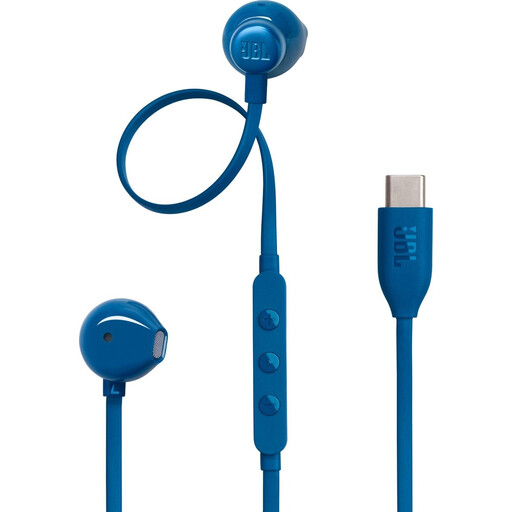
JBL Tune 305C, blue
Could suit you if you’re looking for wired USB-C in-ears with adjustable EQ presets; the product details list presets for standard, bass and vocals.
The product description highlights powerful bass. If you prefer a more restrained low end for chamber music, compare it with the standard setting.
View at Joybuy
Frequently asked questions
How can I start trying different fits without immediately turning the volume up?
First, try the available eartip sizes and materials at a low volume. A good seal can reduce background noise, but how much depends on the fit. The World Health Organization gives an average of 80 dB for up to 40 hours per week as an example of listening exposure for adults; this isn’t a setting that every device will show automatically.
What should I do if one earbud sounds quieter over time?
For a Shure model, follow the manufacturer’s instructions and first check the eartip and sound outlet for earwax. Keep the opening facing down while cleaning, and don’t push the cleaning tool deep against the filter. For other models, consult the relevant manual.
Who can help if a model bought in the Netherlands develops a fault?
For statutory warranty claims, contact the seller. According to the Dutch government, there is no fixed statutory warranty period in the Netherlands; what you can reasonably expect in terms of product lifespan depends, among other things, on the product and the sales information. Normal wear and tear or damage caused by you isn’t automatically covered by free repairs.
Can I always return in-ear headphones bought online after trying them on?
Check the terms and conditions before opening the packaging. According to the Dutch government, many distance purchases come with a 14-day cooling-off period, but there are exceptions. Government guidance doesn’t confirm whether a specific opened IEM package falls under a hygiene exception, so check the seller’s product and returns policies.


