
Campers who want to work out chords
If you listen to a song again, you can try to pick out the chords yourself. To see chord names on screen, you’ll need a separate recognition feature; Chordify describes live recognition via a phone.


If you want to work out chords from a recording yourself, wired or wireless in-ear headphones can help you listen to it; the earphones don’t recognise chords. If you want chord names on your screen, you’ll also need a suitable recognition feature: Chordify lists Premium Plus as a requirement for its live chord recognition. For music playing at the campsite, your phone or app must also be able to pick up the sound.
If you listen to a song again, you can try to pick out the chords yourself. To see chord names on screen, you’ll need a separate recognition feature; Chordify describes live recognition via a phone.
In-ear headphones can help you follow a recording without playing it loudly. Look for a comfortable fit, keep the volume under control and stay aware of what’s happening around you.
If you want to listen to recordings from a phone as well as music around you, consider the source and how your phone can pick up the sound.
Suitable if: you want to replay sections on a phone or another playback device and try to pick out the chords yourself.
Bear in mind: the cable limits your freedom of movement, and the connector must be compatible with your device.
Suitable if: you want to see chord names on screen, including for music around you that your phone can pick up.
Bear in mind: Chordify lists Premium Plus as a requirement for the live recognition feature it describes; check that your phone can pick up the sound source you have in mind.
Suitable if: you want more freedom to move while listening than a cable allows.
Bear in mind: wireless models may need charging or extra equipment; a Bluetooth earphone isn’t the same as a complete wireless monitor system.
| What to consider | What should you look for? | Who is this important for? |
|---|---|---|
| Listening yourself or recognising chords | Decide whether you want to listen yourself or see chord names on screen. For music around you, check how your phone picks up the sound. | I mainly want to know whether chord names will appear or whether I’ll need to listen for myself; around 36% of consumers here prioritise automatic recognition. |
| Fit and surrounding noise | Check which tip sizes are included and start at a low volume. Stay alert to sounds around you. | If I’m listening for a long time, I want earphones that feel comfortable and don’t make me keep turning up the volume; around 29% of consumers here prioritise comfortable listening at a controlled volume. |
| Connection and listening setup | Check your phone’s port, the connector on the exact model and what’s included in the package. | I want to connect my phone and earphones without any surprises; around 21% of consumers here prioritise compatibility between the source and connection. |
| Total cost and components | Check which cables and tips are included and whether the recognition feature you want is paid for. | If I only want to listen, I don’t want to pay for features or accessories I don’t need; around 14% of consumers here prioritise the total cost. |
In-ear headphones play audio. To see chord names on screen, you’ll need a separate recognition feature; Chordify lists Premium Plus as a requirement for its live recognition.
First decide whether you want to listen for yourself or use automatic recognition. Then check which app you need and how it receives audio.
A recognition feature may come with extra app costs.
A professional wireless monitor system may include more than just the earphones. The frequency band used must also be suitable for radio equipment.
Check what’s included in the package and decide whether you’re looking for Bluetooth earphones for a phone or a system with a transmitter and receiver.
A system with a transmitter and receiver means extra equipment.
How well earphones seal depends partly on their fit. The World Health Organization says that sound level and listening duration also affect the risk of hearing damage.
Try suitable tips, keep the volume under control and pay attention to your surroundings.
The SE215 range is designed for wired listening; some individual packages also offer a wireless adapter option.
The IE 100 PRO is a wired monitor; the IE 100 PRO Wireless is a separate version.
The CHU II is a wired in-ear monitor with a specified 3.5 mm plug.
Etymotic positions the ER2SE as neutral; the ER2XR has a different sound signature.
The Castor Pro is a wired in-ear monitor with adjustable sound.
This selection includes wired USB-C and wireless earphones for listening to recordings from a compatible device. The earphones don’t recognise chords on their own; for wired models, check that the connection is compatible with your device.
 No image available
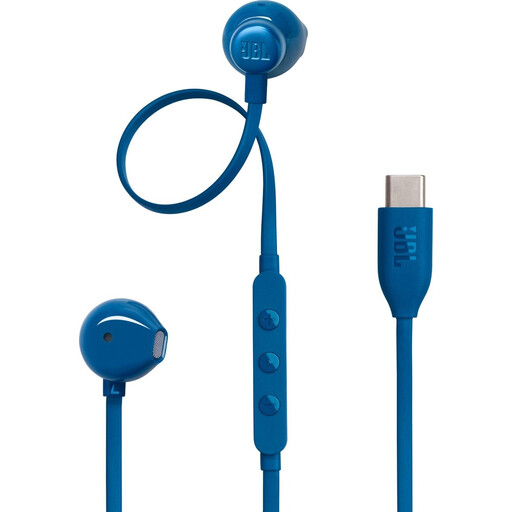
Wired listening to a recording from a compatible USB-C device.
USB-C connection; the product description lists EQ presets and a microphone. Check that your device supports USB-C audio.
 No image available
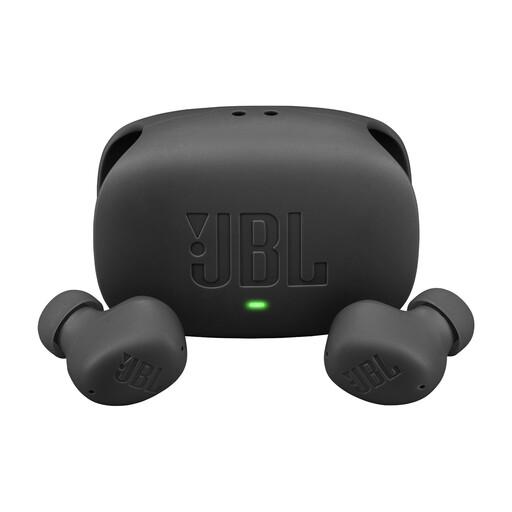
Wireless listening from a paired Bluetooth source.
The product description lists Active Noise Cancelling and Smart Ambient. Use Smart Ambient when you want to let in surrounding sounds.
 No image available
Wireless listening to music from a compatible Bluetooth source.
The product title lists Bluetooth 5.4.
 No image available
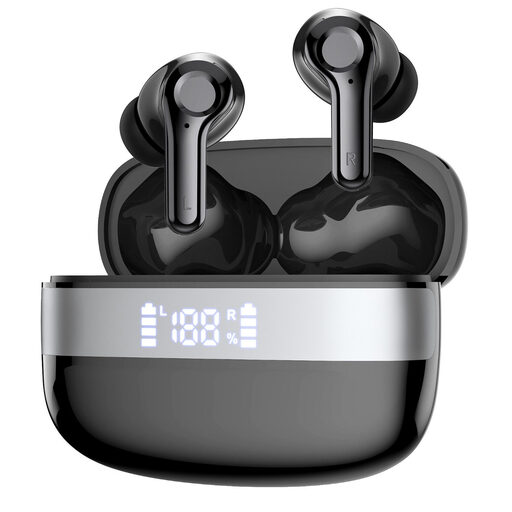
Wireless listening to a recording from a Bluetooth source.
The product title lists 6–8 hours of playback, USB-C and hands-free use.
 No image available
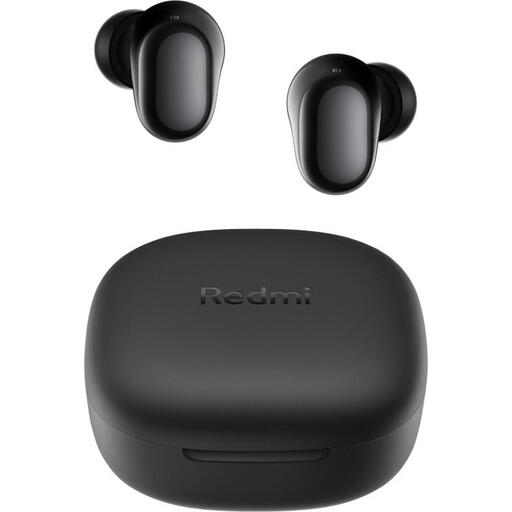
Wireless music listening from a compatible Bluetooth source.
The product description lists Bluetooth 5.4, a charging case and additional ear tips in sizes S and L.
No. In-ear monitors play audio but don’t recognise chords themselves. To see chord names on screen, you’ll also need recognition software and a usable audio input. Chordify lists Premium Plus as a requirement for its live recognition.
Try the supplied tips to get a good seal and start at a low volume. Follow the instructions for your chosen model when cleaning and storing it; having several tip sizes doesn’t automatically mean the earphones are water-resistant.
Check what’s included in the package and whether there are any app costs before you order. According to the Dutch government, a 14-day cooling-off period applies to many distance purchases, but there are exceptions. If a product is faulty, contact the seller to find a solution; check the specific returns policy for used earphones.
Bluetooth and professional radio systems are subject to different conditions of use. The Dutch Authority for Digital Infrastructure states that Bluetooth uses licence-exempt frequencies and that professional radio IEM use usually doesn’t require a licence, although choosing the right frequency band remains important. Check the transmitter and frequency; radio equipment rules don’t cover a campsite’s own rules about making audible music.
Check the requirements for the specific wireless version. The Dutch Authority for Digital Infrastructure explains that the manufacturer applies the CE marking to equipment that meets the applicable requirements. The marking alone doesn’t tell you whether the model can recognise chords.