
Mix maker comparing versions
Wants to assess differences in balance and detail while travelling, and is looking for a familiar sound signature that adds as little colour as possible. Etymotic describes the ER2SE as having a flat response.


To compare mix changes, choose an in-ear monitor whose sound you know and that seals well. Etymotic describes the ER2SE as having a flat response. Fit and connection also affect whether it works for you, and a stated level of attenuation is no guarantee of isolation in your ears. Use a bus journey to compare versions, but check important mix decisions on your trusted monitors too.
Wants to assess differences in balance and detail while travelling, and is looking for a familiar sound signature that adds as little colour as possible. Etymotic describes the ER2SE as having a flat response.
Wants to reduce background noise without continually turning up the volume. A good seal and a sensible listening level are important; Shure emphasises that fit affects isolation.
Switches between mix versions on a long journey and cares about comfort, well-fitting tips, the connection and the option to replace the cable. Audio-Technica lists four sizes of silicone tips and a detachable cable for the ATH-E40.
Start with the sound signature and seal, then consider the fit, cable and connection to your listening source.
| What to consider | What to look for when buying | Who is this important for? |
|---|---|---|
| Sound signature | Compare familiar mix excerpts on the same model; check the description for the exact version. | If I want to assess subtle differences in a mix, I look for a sound I know and check important decisions later on familiar monitors. Around 36% of consumers put tonal balance first. |
| Seal against bus noise | Try the available tip sizes and check that both ears are properly sealed; don’t automatically turn up the volume to overpower background noise. | Anyone listening on a noisy bus will want to reduce background noise without continually turning up the volume. Around 29% of consumers prioritise sound isolation. |
| Comfort for long listening sessions | Check the available tip sizes and replacement tips; assess comfort during a listening session that reflects how you’ll use them. | If I want to listen to several versions during a long journey, the fit needs to stay comfortable and seal well. Around 21% of consumers put long-term comfort first. |
| Connection and response | Check the connection on the exact version and decide whether you’ll only be listening or also playing or monitoring live. | If you’re connecting to a phone, laptop or audio interface while travelling, the plug and source need to be compatible. Around 14% of consumers prioritise connectivity or low latency. |
Shure says that actual isolation depends in part on your ear canal, the sleeve used and the fit. Figures from different brands aren’t necessarily directly comparable for your ears.
Check that the tips seal well on both sides and feel comfortable before relying on claims about noise reduction.
Etymotic describes the ER2SE as having a flat response, while the ER2XR has extra bass. Shure describes the SE215 as having deep bass, so an earphone’s own sound can affect how you judge changes to the bass.
Get to know the sound of the exact version using familiar excerpts, and check important mix decisions on your usual monitors.
According to Audio-Technica, the ATH-E40 has a 3.5mm plug and A2DC cable connectors. A detachable cable doesn’t mean that every replacement cable will fit.
Before buying, check the output on your playback device and the connector type on the exact in-ear monitor.
A suitable adapter, replacement cable or new tips may mean buying additional parts. Check in advance which connections and parts suit your needs.
The ER2SE may suit you if you’re looking for a wired in-ear monitor that the manufacturer describes as having a flat response.
The SE215 is a wired option with interchangeable sleeves and a detachable cable, which Shure describes as having a bass-heavy sound.
The ATH-E40 is a wired monitor with several tip sizes and a detachable cable.
The IE 100 PRO is a wired in-ear monitor from a monitor series; check which version you’re choosing.
This selection includes wired and wireless in-ear earphones for travelling. Check the connection and whether the sound is suitable for mix checks; check important decisions on familiar monitors too.
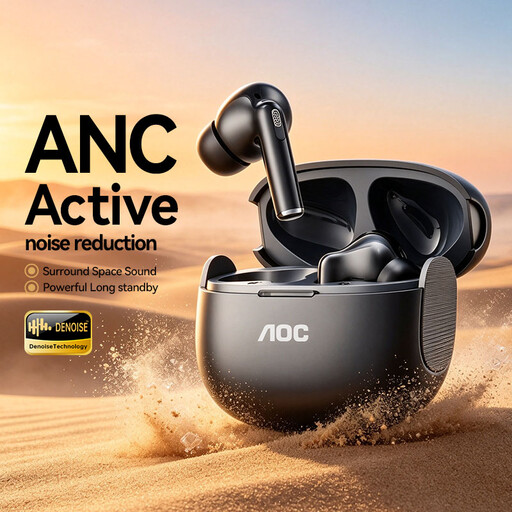 No image available
A wireless option for travelling; don’t use this model as a neutral mix reference without checking it for yourself.
Wireless, Bluetooth 6.0, active noise cancellation and charging case.
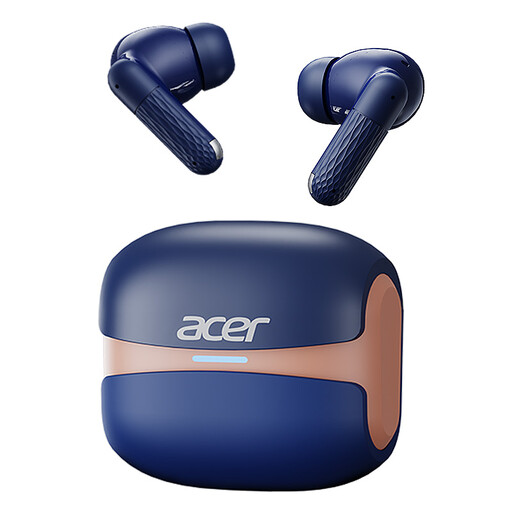 No image available
A wireless option for playing mix versions on the go; check for yourself whether the sound is suitable for your mix checks.
Wireless, Bluetooth 5.4 and a USB-C charging case.
 No image available
A wired option for anyone looking to reduce background noise; check that the connection is compatible with your listening source.
Wired, with a USB-C connection.
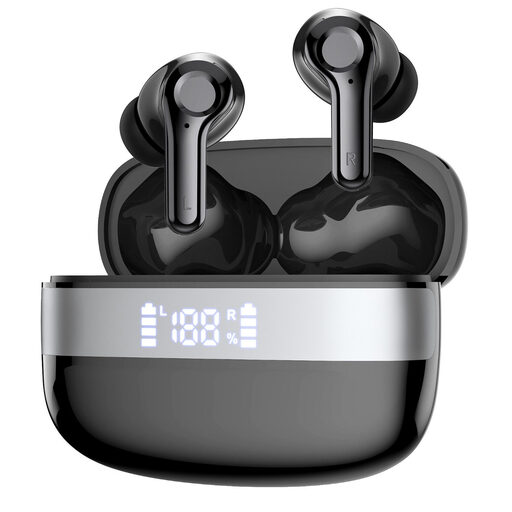 No image available
A wireless option for playing mix versions on the go; bear in mind that Bluetooth can introduce latency in some applications.
Bluetooth 5.4, LED battery display and USB-C.
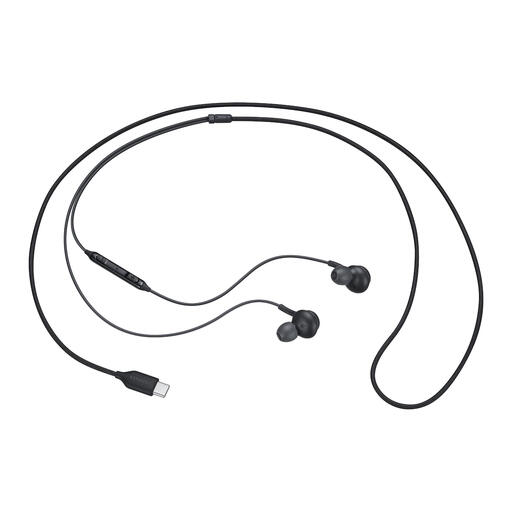 No image available
A wired option for listening to mix versions on the go; check that your listening source supports USB-C audio, and check important decisions on familiar monitors.
Wired, USB-C, black.
Use it to compare versions, but check major decisions again on your trusted monitors. Etymotic describes the ER2SE as having a flat response; this is the manufacturer’s description of that particular model, not proof that an in-ear monitor can replace your regular listening setup.
First check the seal and, if needed, try another well-fitting tip. Shure says that with the SE215, a lack of bass may indicate that the sleeve isn’t sealing properly. Don’t push a sleeve beyond the opening of your ear canal.
Follow the instructions for the exact model. For the SE215, Shure advises pulling the connector straight out rather than pulling the cable, and replacing any loose sleeve.
Don’t automatically turn up the volume to overpower bus noise. The World Health Organization gives a general guideline of listening for a maximum of 40 hours per week at an average of 80 dB, and recommends well-fitting headphones and listening breaks. This is general listening guidance, not a measurement of the volume of your in-ear monitor.
According to the Dutch government, you’re entitled to a product that works properly; the Netherlands has no fixed statutory warranty period. For online purchases from a business, a 14-day cooling-off period applies in many cases. Check the terms of the specific purchase, particularly for sealed products: this doesn’t establish an exception covering all opened in-ear monitors.