
Bassist working out notes
Wants to follow individual bass notes and their timing without mistaking an extra bass boost for a more accurate reference.


Start with an in-ear model that seals comfortably, then choose the sound balance that suits you. A flat-response tuning can help when you want to judge notes with as little influence as possible, while boosted bass can make the bass line stand out more. Etymotic describes the ER2SE as having a flat response and the ER2XR as a bass-boosted model. No isolation rating guarantees a good fit in your ears, so check comfort and compatibility with your playback device too.
Wants to follow individual bass notes and their timing without mistaking an extra bass boost for a more accurate reference.
Wants to work with in-ear headphones rather than speakers and is looking for a comfortable seal that can help reduce outside distractions.
When listening repeatedly, pays attention to fit, the tip sizes available and whether the cable can be replaced.
Choose this if: you want to judge the pitch and relative balance of bass notes without an intentional bass boost.
Trade-off: the seal and comfort of the tips are still personal; a stated isolation rating won’t predict how they’ll fit you.
Choose this if: you want the bass line in the recording to stand out more.
Trade-off: more bass changes the perceived balance and doesn’t prove that you’ll transcribe notes more accurately.
Choose this if: different tips or a replaceable cable matter for longer listening sessions.
Trade-off: compare the exact version; manufacturers’ sound descriptions and specifications are not a standardised listening test.
| What to consider | What should you check? | Who is this important to? |
|---|---|---|
| Bass balance | Compare the tuning description for the exact model; where possible, listen to a familiar recording at a modest volume. | I want to follow notes and timing without mistaking an extra bass boost for a neutral tonal balance. Around 36% of consumers make bass analysis their top priority. |
| Seal in your room | Try tips that fit and assess the seal at a low volume; treat any stated attenuation as a manufacturer’s claim, not a personal guarantee. | In a shared bedroom, I want to listen through earphones and be less distracted by background noise. Around 29% of consumers prioritise isolation in their room. |
| Fit during long sessions | Check which tip sizes and materials are included, and whether suitable replacement tips are available. | When listening repeatedly, I want tips that seal well and stay comfortable. Around 21% of consumers prioritise a comfortable fit for extended listening. |
| Connection and cable | Check the output on your laptop or audio interface, the plug and any adapter; also check which replacement cable fits the connection. | I want to connect the in-ear headphones to my own playback device and replace worn parts. Around 14% of consumers prioritise connectivity and maintenance. |
The actual seal depends on the fit. Shure notes that an ear tip that doesn’t seal the ear canal properly may let through very little bass.
Check which tips come with the exact version and assess the fit at a safe, low listening volume.
Etymotic describes the ER2SE as having a flat response and the ER2XR as a bass-boosted version. This difference affects the sound balance, not the accuracy of your transcription.
Choose the balance you want to hear, and if you’re unsure about any notes, check them again using a more neutral setting.
According to ACM ConsuWijzer, the cooling-off period may not apply to a sealed hygiene product once it has been opened. Whether this applies to a specific purchase depends on the circumstances and the packaging.
Read the seller’s terms before opening the product. The cooling-off period is separate from your legal guarantee if a product is faulty.
The ER2SE and ER2XR offer two different approaches to bass balance.
The SE215 is a wired in-ear model with replaceable tips and cable.
The IE 100 PRO is a wired in-ear model to compare for fit and connectivity.
The ATH-E40 is worth considering if you want to compare different tip sizes and a detachable cable.
The DT 71 IE is specifically positioned by the manufacturer for drums and bass.
This selection includes wired and Bluetooth in-ear models. Compare the connection and the sound settings described with your playback device and the way you work out bass lines.
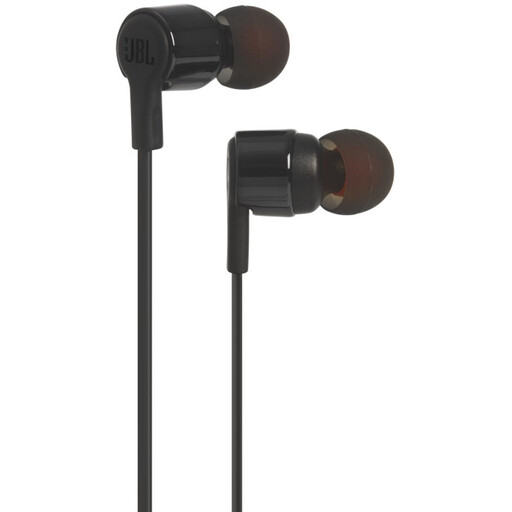 No image available
A wired option if you want to hear more pronounced bass; the product information describes JBL Pure Bass Sound.
3.5mm connection; check that your playback device has this connection.
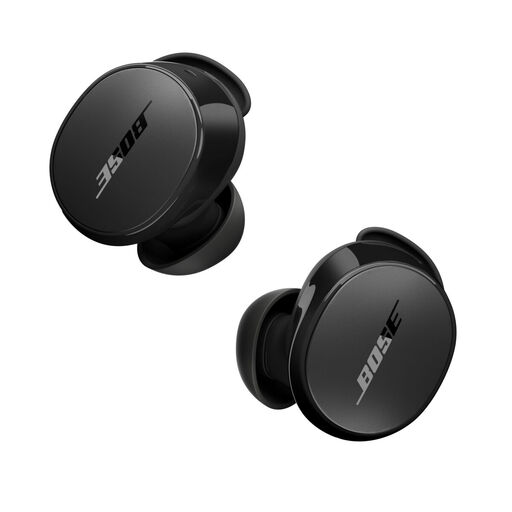 No image available
A Bluetooth option if you want to compare noise cancellation and aware mode for use in a shared room.
The product information lists three sizes of ear tips; check that Bluetooth is available on your playback device.
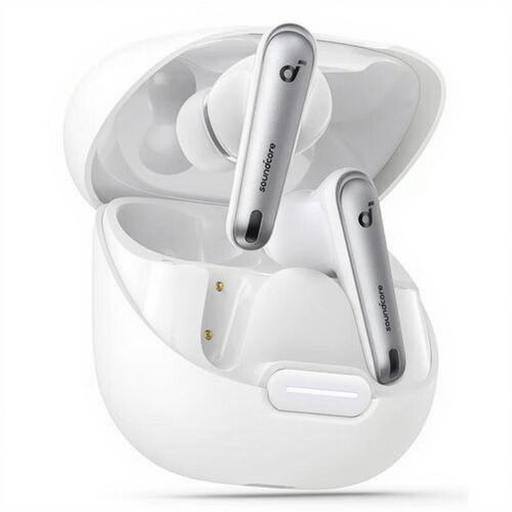 No image available
A Bluetooth option if you want to adjust the EQ to suit your listening preferences and compare noise cancellation.
The product information lists extra ear tips and a charging case; check Bluetooth compatibility with your device.
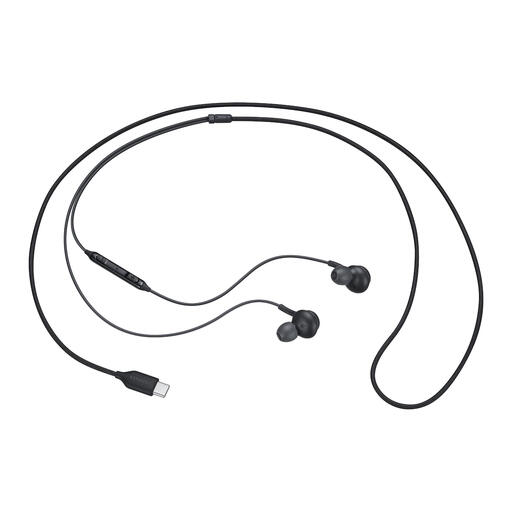 No image available
A wired option if you want to use a USB-C connection on your playback device.
The product information lists a built-in DAC and ear tips in different sizes; check that your device supports USB-C audio.
 No image available
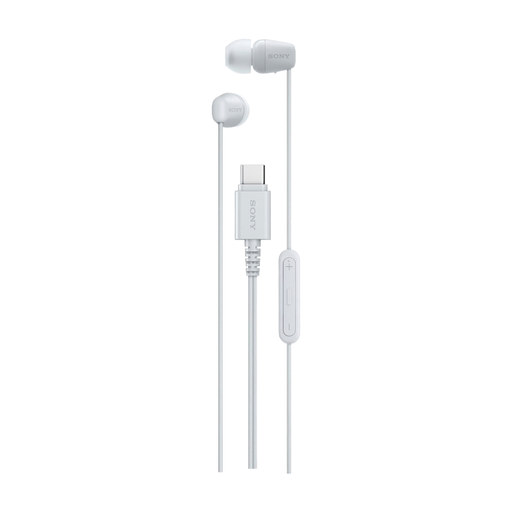
A wired option if you want to use a USB-C connection, microphone and remote control while listening.
Check that your playback device supports USB-C audio.
Not as your first step: check that the ear tips are sealing properly. Shure notes that a poor seal can reduce bass response. Keep the volume modest; the World Health Organization points out that both sound level and exposure time matter for safe listening.
Yes. You can use a programme such as Audacity to slow down the tempo without changing the pitch. Then check the notes you’ve found at normal playback speed too.
Check that the tips still seal properly and replace worn tips as directed for your model. Shure notes that sleeves can wear out with prolonged use and need replacing.
When you buy online from a business, you generally have a 14-day cooling-off period, according to the Dutch government. Before opening or trying them on, ask how the seller applies any exception for sealed hygiene products; this exception does not automatically apply to every in-ear model. Your legal guarantee if a product is faulty is separate from the cooling-off period, and the seller is your point of contact.