
Listener picking out bass notes
You want to follow pitches and changes in notes, so you’re comparing a flatter tuning with a sound that puts more emphasis on the bass. Etymotic describes this difference between the ER2SE and ER2XR.


Start with a secure fit and a bass response that lets you follow individual notes; more bass doesn’t automatically mean more accurate transcription. Then choose between a flatter, bass-emphasised or adjustable sound, and check that the connection suits your playback device. None of the stated noise-isolation claims proves that people nearby won’t be able to hear your music.
You want to follow pitches and changes in notes, so you’re comparing a flatter tuning with a sound that puts more emphasis on the bass. Etymotic describes this difference between the ER2SE and ER2XR.
You want to minimise distractions without turning up the volume. A good fit and a moderate listening volume matter more here than an isolation claim on its own.
You listen to passages repeatedly and consider comfort, connection to your player and whether parts can be replaced.
First check that the eartips create a good seal, then compare the bass response and finally make sure the cable or wireless connection suits your playback device.
| What to consider | What should you check? | Who is this most important for? |
|---|---|---|
| Distinguishing bass notes | Compare familiar bass passages at the same moderate volume. Etymotic describes the ER2SE as having a flat tuning and the ER2XR as bass-emphasised; Sennheiser offers two eartip positions on the IE 200 for different bass responses. | If I want to follow changes in notes, I look for a tuning that makes the bass line clear to me, without treating extra emphasis as proof of accuracy. Around 33% of consumers give highest priority to distinguishing bass notes. |
| Listening in peace | Check the seal at a low volume. Manufacturers’ noise-isolation claims relate to the amount of ambient sound reaching your ears; they don’t measure how much sound people nearby can hear. | In a quiet library, I want to reduce background noise without turning up the volume, while also following the venue’s rules. Around 27% of consumers give listening in peace highest priority. |
| Fit and comfort | Compare the supplied eartip sizes and materials; the right size may differ between ears. Shure says an eartip that doesn’t seal properly can cause bass loss. | If I listen to short passages repeatedly, I want eartips that feel comfortable and create a good seal. Around 20% of consumers give a good fit and comfort highest priority. |
| Connections and parts | Check your player’s connection and the connector on the earphone side. A detachable cable isn’t necessarily compatible with cables from other models. | For long-term use, I want to know in advance whether the headphones will connect to my device and whether any replacement parts will fit the model. Around 20% of consumers give connectivity and maintenance highest priority. |
Etymotic describes a difference in bass tuning between the ER2SE and ER2XR, but the manufacturer’s description doesn’t show that you’ll transcribe more notes correctly with either one.
Compare the tunings using a familiar bass line, and choose extra bass only if you find that sound helpful.
A stated noise-isolation figure relates to sound travelling from outside to your ears; it doesn’t tell you how much sound leaks out to people nearby. Shure also notes that the seal depends on the eartip and how it fits.
Check the seal at a moderate volume, and don’t treat a noise-isolation figure as a measure of sound leakage.
The versions of the IE 200 and SE215 mentioned here use MMCX, while the ATH-E40 uses an A2DC connection.
Before buying, check both your playback device’s connection and the connector required by the model you’ve chosen.
Within the ER2 range, Etymotic describes the ER2SE as having a flatter tuning and the ER2XR as bass-emphasised.
The SE215 is a wired in-ear model with several types of eartips and a replaceable MMCX cable.
According to Sennheiser, the wired IE 200 has two eartip positions that let you choose the bass response.
According to Audio-Technica, the wired ATH-E40 comes with four sizes of silicone eartips and a detachable cable.
Below are in-ear headphones with different bass and connection options. Check each model to see whether its features suit your listening needs and playback device.
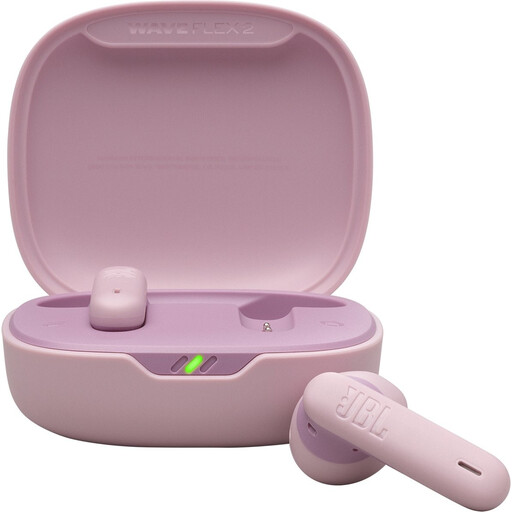 No image available
An option if you want to adjust the bass response using an equaliser; that doesn’t prove you’ll transcribe more accurately.
The product description lists 12mm drivers, adjustable EQ via the JBL Headphones app and JBL Pure Bass sound. Smart Ambient, Ambient Aware and TalkThru are also mentioned.
 No image available
A wireless option if you’re looking for earbuds with ANC and touch controls; check that wireless listening suits your playback device.
The title lists Bluetooth 6.0 and ANC. The product description mentions HiFi decoding and 3D surround sound.
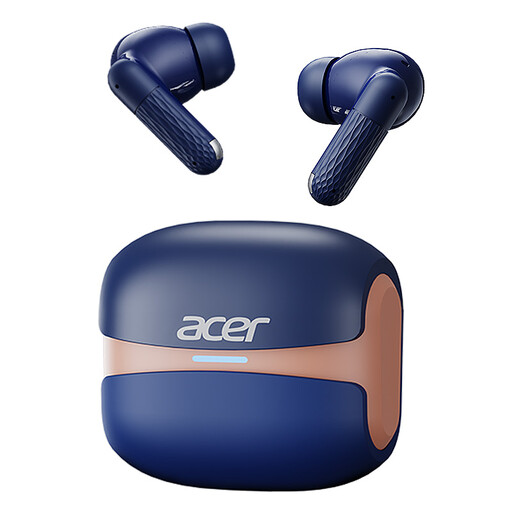 No image available
A wireless in-ear option; check that Bluetooth works with the player you use for transcription.
The title lists Bluetooth 5.4 and HiFi audio. The product description mentions 3D surround sound and a charging case with a Type-C connection.
 No image available
An option if you want to adjust the bass balance; an equaliser function on its own doesn’t tell you how accurately you’ll recognise bass notes.
The product description mentions a 9-band equaliser and ANC. It also lists a 2-way speaker system.
 No image available
A wired option if your player has a USB-C port and you want to compare different eartip and stability sizes.
The product description lists USB-C, three sizes of eartips and two sizes of stability bands. Direct connection requires a USB-C port on your playback device.
First check that the eartip seals properly: Shure notes that an eartip that’s too small can produce very little bass. Keep the volume moderate and take breaks; the World Health Organization points out that both sound level and listening time matter.
First check that the eartip on that side seals properly, and try another supplied size if needed. Shure says your left and right ears may need different sizes, and that eartips wear out over time.
Yes, with playback software that can adjust timing and pitch separately. The Ableton Live 12 manual describes a feature for changing the timing without changing the pitch; this is a software feature, not a property of the earbuds.
According to ACM ConsuWijzer, online purchases generally come with a statutory 14-day cooling-off period from the date of delivery. ACM notes a possible exception for hygiene products that have been removed from their packaging. Check the terms for the specific offer, as this exception doesn’t automatically apply to every package of in-ear headphones. Your statutory rights if a product is faulty are separate from any commercial guarantee.
No. The Dutch government refers to the CE mark on electronic products and advises checking that products meet European safety requirements when buying outside the EU. A logo alone doesn’t confirm that the model, seller and documentation have been checked.